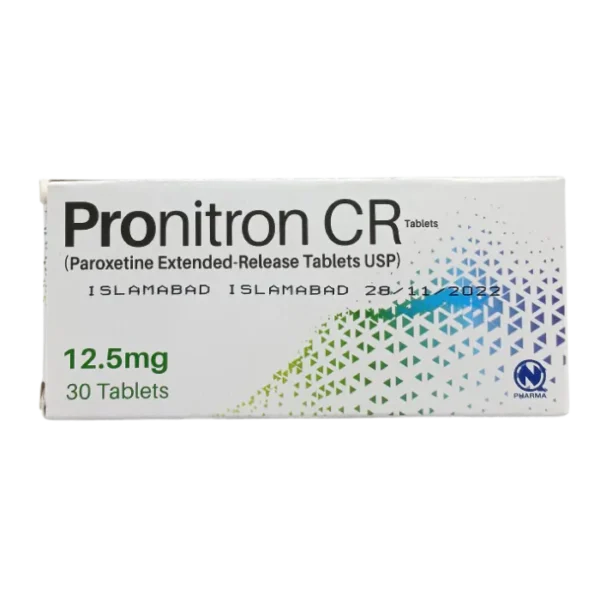
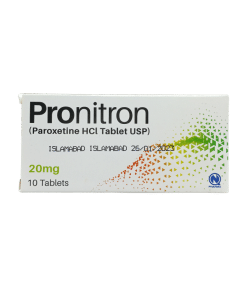
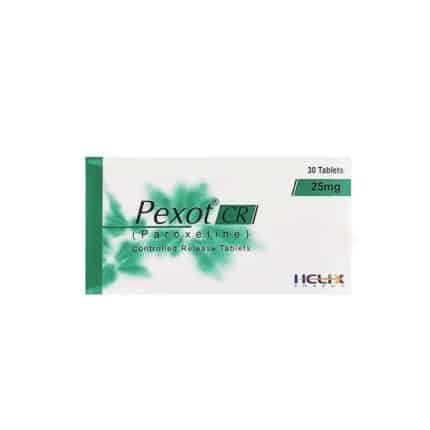
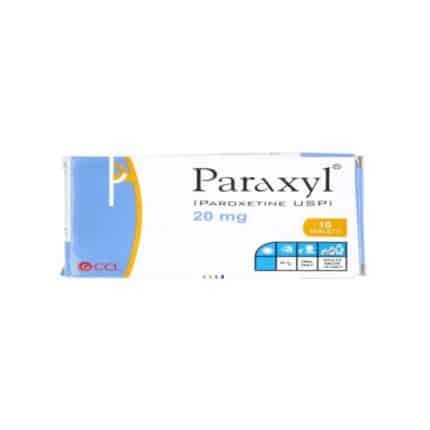
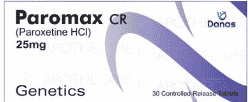
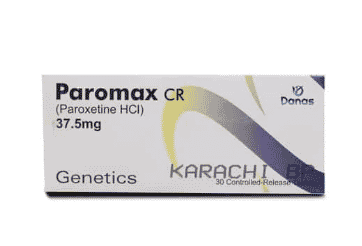
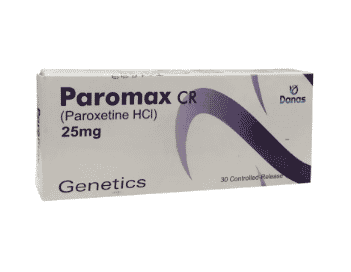
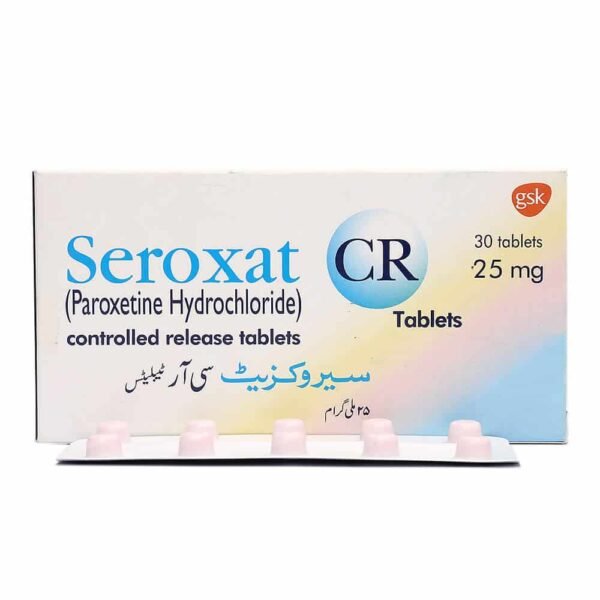
Paroxetine is an antidepressant from the SSRI group, used for depression and anxiety conditions. It is taken once a day and works gradually.
What Paroxetine Is Used For
Depression
Panic disorder and social anxiety
Obsessive-compulsive disorder (OCD)
Common Side Effects
Nausea
Drowsiness
Dry mouth
Difficulty sleeping
Precautions
Do not stop paroxetine suddenly – the dose is lowered slowly, as stopping abruptly can cause withdrawal effects. It may take a few weeks to feel the full benefit. Tell your doctor if you feel unusually low or restless in the early weeks, and avoid alcohol.
This page is general information only. It is not a substitute for advice from your doctor or pharmacist, and it does not include dosage. Always follow the directions given to you and read the leaflet inside the pack.
Paroxetine is a selective serotonin reuptake inhibitor (SSRI) medication commonly used to treat depression, anxiety disorders, and post-traumatic stress disorder (PTSD). Some common brand names for paroxetine include Paxil and Seroxat.
Like all medications, paroxetine can cause side effects. The most commonly reported side effects of paroxetine include nausea, drowsiness, headaches, insomnia, decreased libido, and dry mouth. In some cases, paroxetine can also cause more serious side effects such as an increased risk of suicide or suicidal thoughts, especially in children and young adults. Additionally, paroxetine may have some potential drug interactions which should be discussed with healthcare provider.
It is important to note that everyone’s experience with medication is unique, and not everyone who takes paroxetine will experience side effects. If side effects do occur, they may be manageable with dose adjustments or other management strategies, or the medication may be discontinued if the side effects are severe or intolerable. It is always important to work closely with your healthcare provider when taking any medication.