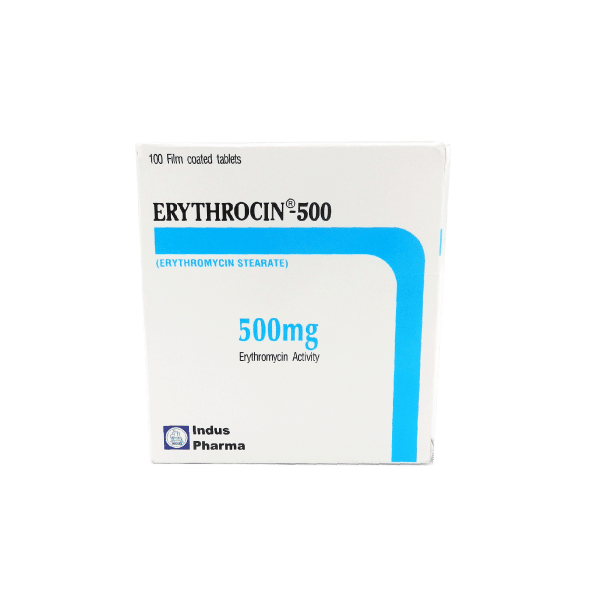
Erythromycin is a macrolide antibiotic taken by mouth as tablets or suspension. It stops bacteria from making the proteins they need to multiply, and it is a common alternative for people who cannot take penicillin.
What Oral Erythromycin Is Used For
Chest infections and whooping cough
Throat and tonsil infections
Skin and soft tissue infections, including acne
Some sexually transmitted and dental infections
Common Side Effects
Nausea, vomiting and stomach cramps
Loose motions
Loss of appetite
Skin rash
Precautions
Stomach upset is the usual complaint, and taking it with food helps most people. Erythromycin interacts with a long list of medicines, including statins, warfarin and some heart drugs, so mention every tablet you take. Complete the course even after you feel better. Report yellowing of the eyes, severe diarrhoea or an irregular heartbeat.
This page is general information only. It is not a substitute for advice from your doctor or pharmacist, and it does not include dosage. Always follow the directions given to you and read the leaflet inside the pack.