
Health Guides & Medicine Information
How to Read a Medicine Label: Expiry, Batch, Generic Name and Fake Medicine Signs

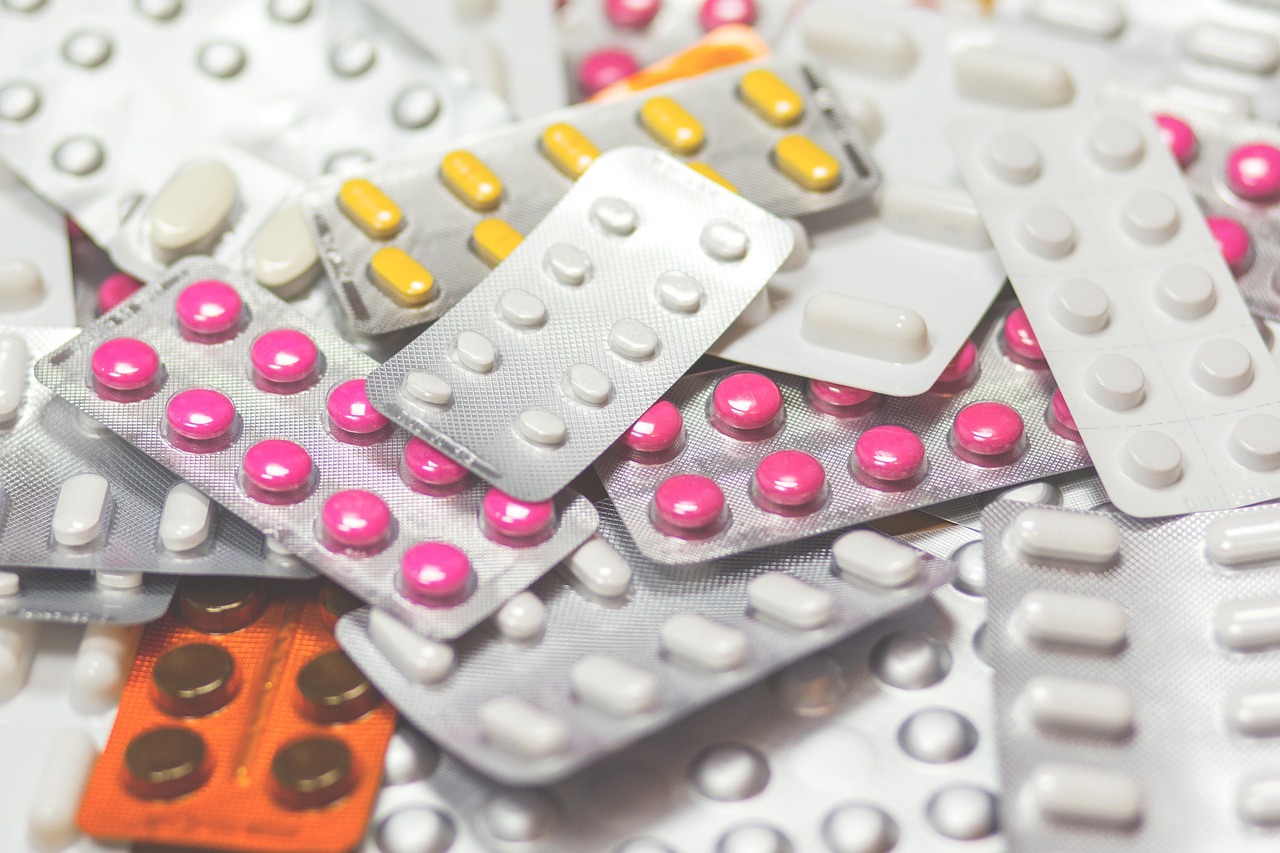
The strip is in your hand, and the printing is tiny. Brand name in big letters, a long chemical name in small ones, a date that is hard to read, and a pharmacist waiting for your decision. Most of us take medicines without ever reading the pack closely. Yet the label tells you what is inside, who made it, how long it is safe to use, and how to take it safely.
This guide shows you how to read a medicine pack and strip in Pakistan, what each part means, how to spot a fake or unsafe product, and how to store medicines properly at home.
The parts of a medicine label
Brand name and generic name
Every medicine has two names. The brand name is the one chosen by the company, such as Panadol. The generic name is the active ingredient, such as paracetamol. Many brands can contain the same active ingredient. Knowing the generic name stops you from doubling up by taking two brands of the same medicine, and it lets you ask your pharmacist for a more affordable option. Read more in our guide to generic vs brand medicines, and browse the full list of generic medicines.
Strength
The number and unit next to the name (for example mg or ml) shows how much active ingredient is in each tablet, capsule or measure of syrup. Two products with the same brand name but a different strength are not the same. Always check this before buying and before taking.
Form and pack size
Tablet, capsule, syrup, drops, cream, injection or inhaler. The pack size shows how many units are inside.
Manufacturing and expiry dates
These are usually printed as Mfg and Exp, or Mfd and Exp, with a month and year. Do not use medicine after the expiry date. Some medicines, such as eye drops, syrups, antibiotic suspensions and creams, have a shorter safe time after opening, which is printed on the pack or leaflet. Write the date you opened it on the bottle.
Batch number
Printed as B.No. or Batch No. It identifies the production batch, and if a problem is found, the company or regulator can trace it. Keep it if you have a problem or complaint.
Manufacturer and registration
Look for the company’s name and address, and the registration number issued by the Drug Regulatory Authority of Pakistan (DRAP). Real products show these details clearly.
Price (MRP)
The maximum retail price should be printed on the pack. Medicines in Pakistan are sold at or below that price. If you are asked for far more, ask why.
Prescription-only warnings
Medicines such as antibiotics, strong painkillers, steroids and sleeping tablets are sold only on a doctor’s prescription. Packs may say Rx, Prescription only, or Schedule. Do not buy them without a prescription, and do not share them. If you have a prescription, you can upload it here for delivery.
Storage instructions
Typical wording is store below 25 or 30 degrees Celsius, keep in a cool, dry place, protect from light, or keep in the fridge. Follow it, because heat and moisture can spoil medicines.
The leaflet inside
Read the patient information leaflet. It lists uses, how to take it, side effects, warnings and who should avoid it.
How to spot a fake or poor-quality medicine
- Print looks wrong: blurred text, spelling mistakes, uneven colours, or a logo that differs from previous packs.
- No batch number, dates or manufacturer, or details that are rubbed off or sticky.
- Different appearance: tablets with a different colour, smell, size or marking, or that crumble or are chipped. Syrups with sediment, cloudiness or a changed smell.
- Damaged or resealed packaging, a broken seal, or strips that look cut or glued.
- A price that is far too low, or an offer that seems too good to be true.
- Medicine sold loose, without a pack, or from a shop without a licence.
- It does not work as before, or causes unusual side effects.
Buy only from a licensed pharmacy that gives a receipt. Our guide on buying medicine online safely explains what to check on a website. Khasmart has operated since 2020 with a DRAP licence, and delivers across Pakistan.
Check before you take
- Is this the medicine that the doctor prescribed, with the same name and strength?
- Is it within its expiry date?
- Is the pack intact, and does the medicine look normal?
- Do you know when and how to take it, and for how many days?
- Do you have allergies, or other conditions or medicines that could clash with it? Tell your pharmacist.
- Are you pregnant or breastfeeding?
Storing medicines at home
- Keep them in a cool, dry cupboard, not in the kitchen or bathroom, and not in direct sunlight or a hot car.
- Keep them out of the reach of children, ideally in a lockable box. Our guide to the home first aid kit explains how to organise it.
- Keep medicines in their original packs, with the leaflet, and do not transfer them to unlabelled containers.
- Store fridge medicines, such as some insulins and eye drops, as the pack says.
- Check expiry dates twice a year, and throw away expired or leftover medicines, especially antibiotics. Do not share prescription medicines with others.
Reporting a problem
If you think a medicine is fake, damaged or causes a serious reaction, stop using it, keep the pack and report it to your pharmacist, doctor or the DRAP. Take a photo of the pack, the batch number and the receipt.
Frequently asked questions
Can I use a medicine a few days after its expiry date?
It is best not to. Expiry dates are set for safety and strength. For antibiotics, injections, insulin, eye drops and heart medicines, never use expired products.
Is a more expensive brand always better?
Not necessarily. If it has the same generic ingredient and strength from a reputable manufacturer, it should do the same job. Ask your doctor or pharmacist about suitable alternatives.
What is the difference between a tablet strip and a blister?
They are the same thing. Always keep the tablets in their strips until you take them, because this protects them from moisture.
Can I split or crush a tablet?
Only if the leaflet or your pharmacist says it is fine. Extended-release and coated tablets must not be crushed.
Order genuine medicines from Khasmart, with delivery across Pakistan.
This article is for general information and is not a substitute for advice from your doctor or pharmacist. It does not include dosage; always follow the directions on the pack or from your doctor.