
Health Guides & Medicine Information
Formula Milk Guide: Types, How to Choose and How to Prepare It Safely

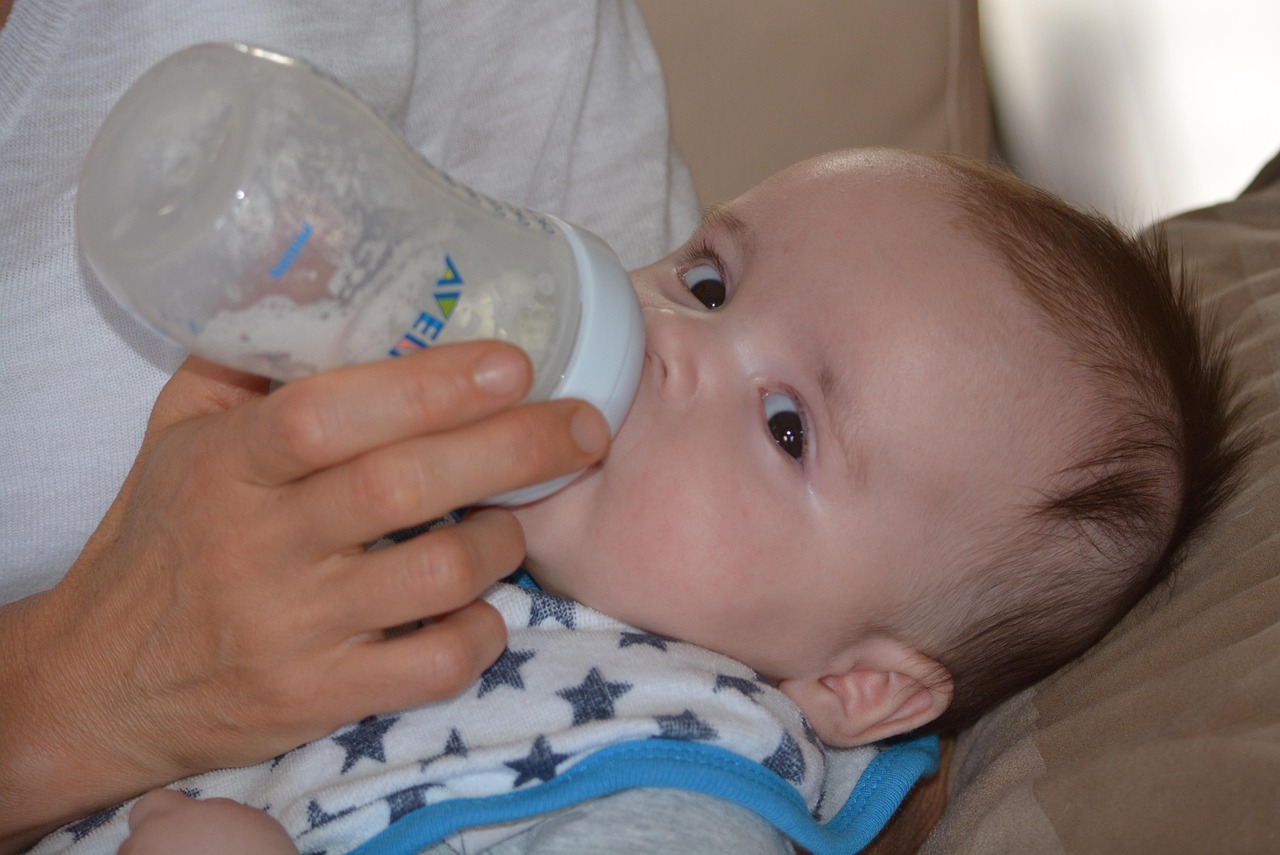
Breast milk is the best food for a baby, and every mother who can breastfeed should be supported to do so. But many mothers use formula, either completely or alongside breastfeeding, because of medical reasons, low supply, work, or personal choice. Whatever the reason, there is no need for guilt. What matters is that the baby is fed safely and grows well.
This guide explains the types of formula, how to choose one, how to prepare it safely, how to store it, and when to talk to a paediatrician.
Breast milk first, where possible
The World Health Organization recommends exclusive breastfeeding for the first six months, with breastfeeding continuing alongside solid foods for two years or more. Breast milk protects against infections, supports brain development and is free of cost and preparation. If you are struggling, speak to your doctor or a lactation consultant before switching, because most breastfeeding problems can be solved. Read our guide to breastfeeding and breast pumps.
Types of infant formula
- Stage 1 (first infant formula): suitable from birth to six months, and it can be used for the whole first year. Examples are Nan 1 and Melite 1.
- Pre-term or low birth weight formula: for premature babies, as advised by the doctor. Pre Nan 400g and Pre Nan 200g are examples.
- Anti-regurgitation (AR) formula: thickened to reduce frequent spit-up. Nan AR and Fenum AR are examples. These are for babies with frequent regurgitation, and should be used on a paediatrician’s advice.
- Follow-on formula (stage 2 and 3): for babies after six months, although not essential if your baby eats a varied diet.
- Special formulas: lactose-free, hydrolysed or amino-acid formulas for allergy or intolerance. These are prescribed by doctors.
Browse our baby food category, and note that formula must be chosen according to your baby’s age.
How to choose
- Choose a formula made for your baby’s age. Do not give toddler formula or other milk to a young baby.
- Check the expiry date, and make sure the tin or pack is sealed and undamaged.
- Buy from a trusted pharmacy. Fake and expired formula is a real problem.
- If your baby is doing well on a formula, do not change brands without a reason.
- Do not use goat milk, cow milk or homemade formulas for babies under 12 months.
How to prepare formula safely
Powdered formula is not sterile, and small amounts of bacteria can grow if it is made carelessly. Follow these steps.
- Wash your hands and clean the surface.
- Use clean, sterilised bottles and teats. See our baby feeding bottle guide.
- Boil fresh, safe water and let it cool for no more than 30 minutes, so that it is still at least 70 degrees Celsius. This temperature kills harmful bacteria that may be in the powder.
- Pour the water into the bottle first, and then add the powder. Use the scoop supplied, levelled off with a clean knife. Never pack the scoop.
- Follow the tin’s instructions exactly. Too little water can strain your baby’s kidneys, and too much waters the milk down and starves the baby of calories. Never change the ratio on your own.
- Mix well by swirling or shaking.
- Cool the bottle under running water to body temperature.
- Test on your wrist. It should feel lukewarm, not hot.
- Feed within an hour, and throw away anything left in the bottle after the feed.
Storing formula
- Keep the tin in a cool, dry place with the lid on, not in the fridge or a hot kitchen.
- Use the opened tin within the period on the label, usually about four weeks.
- Prepared formula should be used straight away. If you need to prepare it in advance, cool it fast and keep it in the back of the fridge for no more than 24 hours. Check your tin’s advice.
- Do not store the scoop in the powder in a damp place.
How much and how often?
Newborns feed every two to four hours, and the amount increases as they grow. Your baby’s own appetite is the best guide, along with the amounts on the tin and your paediatrician’s advice. Signs your baby is getting enough: regular wet diapers, steady weight gain, and contentment after feeds.
Common problems
- Spit-up: normal in small amounts. Burp your baby, hold them upright for 20 minutes after feeds, and avoid overfeeding.
- Constipation: formula-fed babies may have firmer stools. Make sure that the formula is prepared correctly, and speak to your paediatrician if the stool is hard or painful.
- Gas and colic: try slower flow teats and more burping. Read about baby colic.
- Diarrhoea or vomiting: see a doctor, because babies get dehydrated quickly.
When to see a paediatrician
- Blood or mucus in the stool, a rash with swelling, or wheezing after feeds, which could point to milk allergy.
- Weight loss, poor weight gain, or refusal of feeds.
- Persistent forceful vomiting, or green vomit.
- Fewer than six wet diapers a day, or a dry mouth and sunken soft spot.
- You want to change formula, or your baby was born early.
Frequently asked questions
Is formula as good as breast milk?
Formula is a safe, nutritious option when prepared properly, though it does not provide the antibodies in breast milk.
Can I mix formula with breast milk?
Many mothers combine them. Prepare the formula separately, and do not add powder to expressed breast milk.
Can I use mineral or bottled water?
Bottled water is not sterile and some contain too many minerals. Boiled tap or filtered water is usually preferred. Ask your paediatrician.
When can I give cow’s milk?
As a main drink, from 12 months. Until then use breast milk or infant formula.
Find formula and baby care in our Baby Shop, with delivery across Pakistan.
This article is for general information and is not a substitute for advice from your paediatrician. It does not include exact amounts; always follow the directions on the tin and from your doctor.