
Health Guides & Medicine Information
Chapped Lips (Hothon ka Phatna): Causes, Treatment and Winter Lip Care

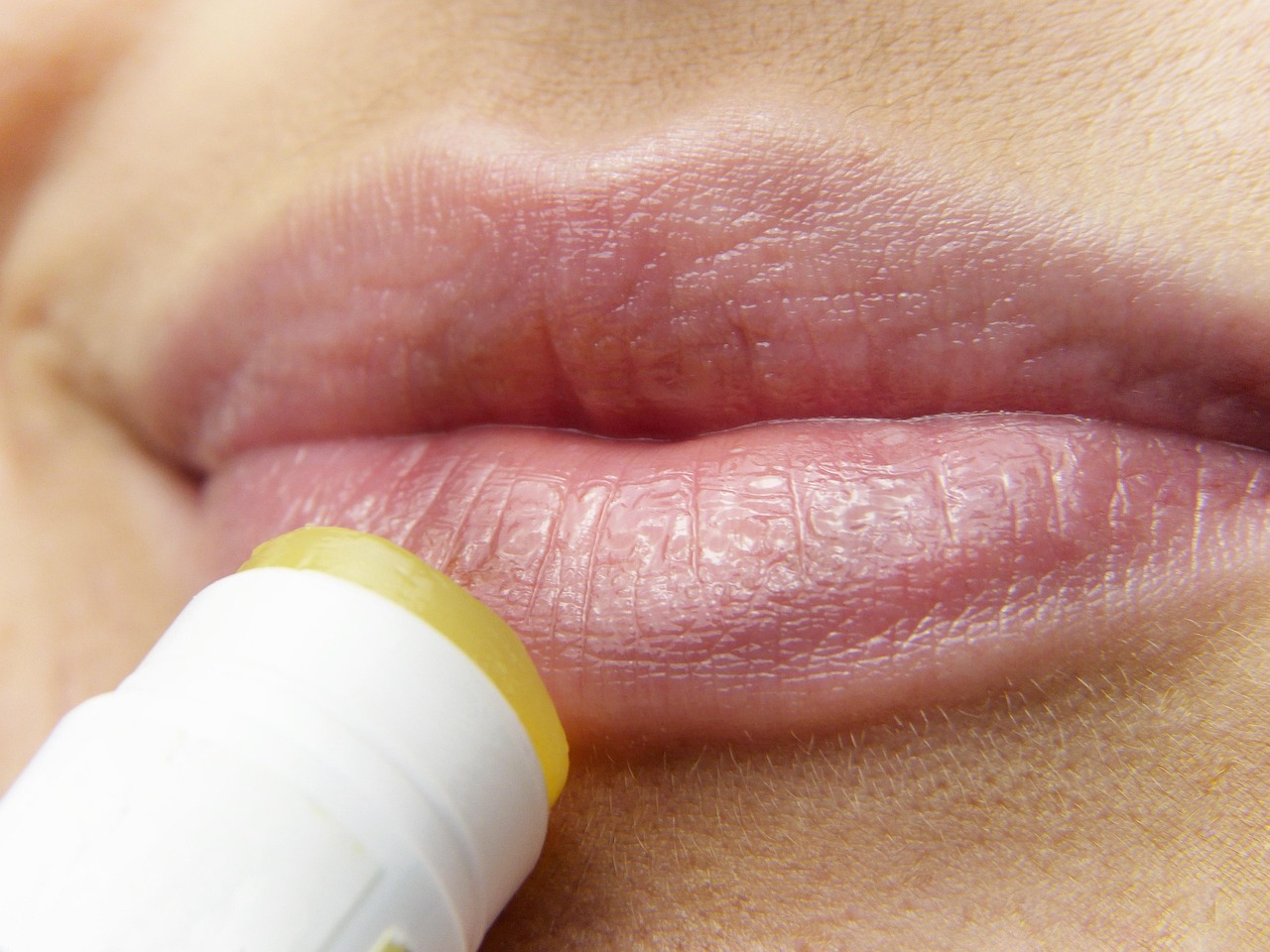
As soon as the first cold mornings arrive, lips start to peel, crack and sting. Chapped lips (hothon ka phatna) are a small problem that can be surprisingly painful, especially when you smile, eat something salty or lick your lips for relief, which only makes it worse.
This guide explains why lips dry out so easily, how to heal them in a few days, which lip care products are worth using, and the less common reasons that need a doctor.
Why do lips get chapped so easily?
The skin on your lips is much thinner than the rest of your face. It has no oil glands of its own, so it cannot make its own moisture. That is why lips dry out first when the weather changes.
- Cold, dry air in winter, and also dry air from heaters and air conditioners.
- Lip licking: saliva evaporates quickly and takes moisture with it, leaving lips drier than before.
- Dehydration, which is easy to miss in cold weather because you do not feel thirsty.
- Sun and wind exposure, especially on bike rides and in hilly areas.
- Mouth breathing, often at night with a blocked nose.
- Irritating products: some toothpastes, lipsticks, flavoured lip balms and fragrances can trigger dryness or an allergic reaction.
- Medicines: acne medicines containing isotretinoin, some blood pressure tablets and others can dry the lips.
- Nutrient gaps: low iron, vitamin B12 or other B vitamins are linked with cracked lips and sore corners of the mouth.
- Habits: biting or picking at lips.
How to heal chapped lips
- Stop licking and picking. This is the hardest part and the most important.
- Apply a thick lip balm often through the day and before bed. Reapply after eating and drinking.
- Choose a simple formula. Petrolatum, glycerin, shea butter and beeswax are all gentle and protective. Avoid balms with strong menthol, camphor, perfume or flavouring if your lips are cracked.
- Drink enough water through the day.
- Use a humidifier or a bowl of water near the heater in a dry room.
- Wash off lipstick before bed, and pick a moisturising one in winter.
Lip care products to try
- Everyday lip balms: Hiba’s Lip Balm, Rivaj Pink Magic Lip Balm and Chap Ice Lip Balm keep lips soft and protected, and are small enough for a pocket or bag.
- Petroleum jelly: a thin layer of Vaseline Blueseal at night seals in moisture and is one of the best budget fixes.
- Glycerin: Glycerin Pure has long been used for dry skin and chapped lips. Use only a small amount, and mix it with a drop of water or rose water if it feels sticky, because pure glycerin can pull moisture out of very dry lips.
For more skin soothers, browse our skin care range.
Home habits that make a difference
- Breathe through the nose when you can, and treat a blocked nose early. If allergy is the cause, see our guide to dust allergy and allergic rhinitis.
- Cover your face with a scarf in cold wind.
- Use lip balm with sun protection if you spend time outdoors.
- Eat a varied diet with dal, eggs, milk, leafy vegetables and fruit.
- Cut back on very spicy or salty snacks while lips are sore.
Cracks at the corners of the mouth
If the cracks are mostly at the corners of the mouth, with redness, soreness and sometimes a small split, it may be angular cheilitis. Saliva sits in the folds and encourages yeast or bacteria to grow. It can also appear when iron, B vitamins or zinc are low, or with ill-fitting dentures. A barrier balm helps, but ongoing or painful corners need a pharmacist or doctor to look at them. If a vitamin gap is suspected, your doctor may suggest a test, and you can explore our vitamins and supplements afterwards.
When to see a doctor
- Lips stay cracked for more than two to three weeks despite good care.
- There is bleeding, a sore that will not heal, a lump, or a white or red patch. If you chew paan, gutka or naswar, or smoke, get any non-healing lip sore checked promptly.
- Lips are swollen, itchy or burning after a new lipstick, balm or food. This may be an allergy.
- Blisters appear on or around the lips. This may be a cold sore, which spreads to others and may need antiviral treatment.
- You have a fever, rash or other symptoms along with the dry lips.
Chapped lips in children and babies
Children often lick their lips out of habit. Use a plain petroleum jelly or a gentle child-safe balm and encourage water. Avoid flavoured and perfumed balms for babies, since they tend to lick and swallow them. If cracked lips come with a fever or a red tongue, see a paediatrician.
Frequently asked questions
Is lip balm addictive?
No. Lips feel dry again when the balm wears off, but that is only because the underlying dryness has not yet healed. Good balms do not cause dependence.
Should I exfoliate my lips?
Only if flakes are loose, and gently with a soft damp cloth. Scrubbing or peeling skin off makes cracks worse.
Does drinking more water cure chapped lips?
It helps if you are dehydrated, but water alone is not enough. You also need to protect the lips from the air with a balm.
Why do my lips crack even when I use balm?
Some balms contain ingredients that dry the lips over time, such as menthol, camphor, fragrance or flavours. Switch to a plain petrolatum or glycerin formula, and see a doctor if the problem continues.
Find lip care and skin essentials at Khasmart, with delivery across Pakistan.
This article is for general information and is not a substitute for advice from your doctor or pharmacist. It does not include dosage; always follow the directions on the pack or from your doctor.