
Health Guides & Medicine Information
Diabetic Foot Care (Sugar ke Mareez ke Paon): Daily Checks, Creams and Warning Signs

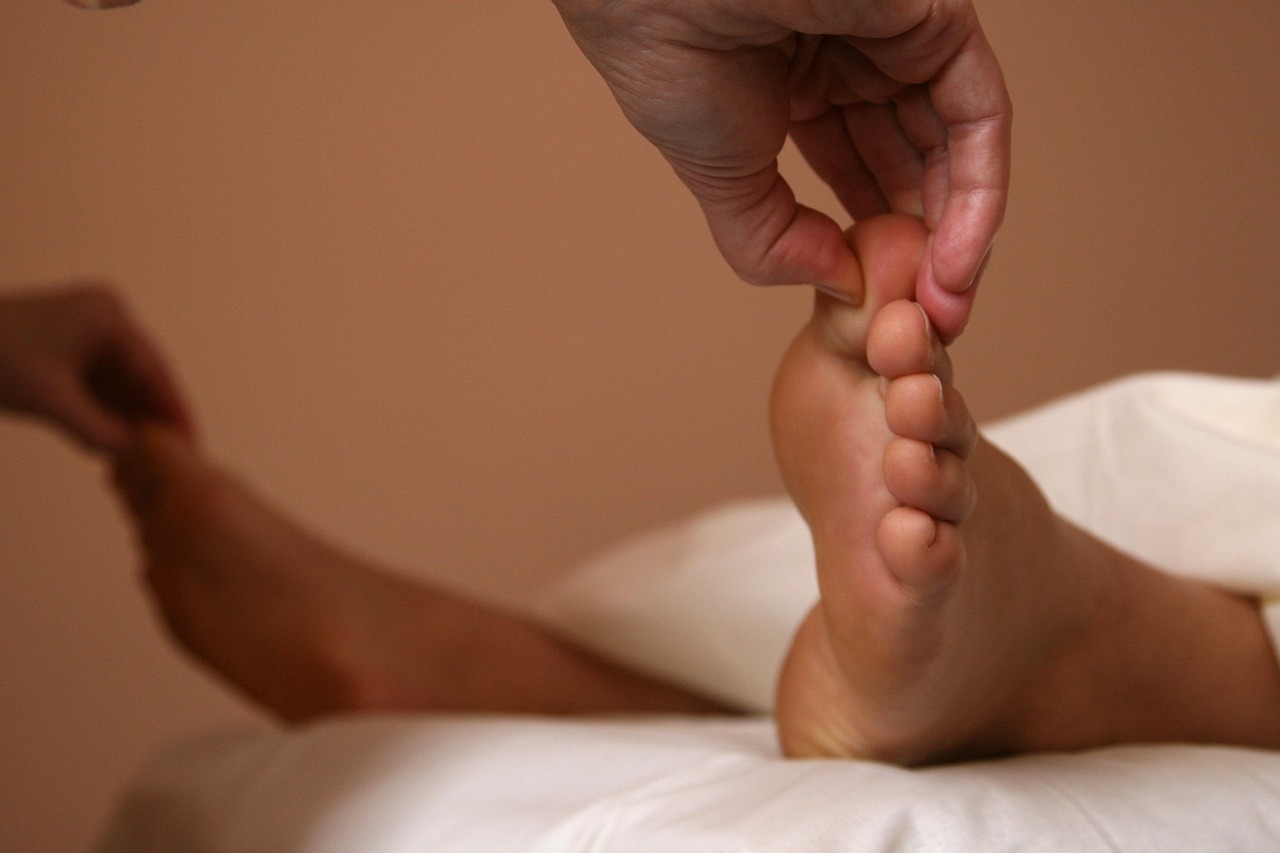
A small blister on the heel, a crack between the toes, a corn that nobody bothered about. In a person without diabetes these heal in days. In a person with diabetes (sugar ke mareez) the same small injury can turn into a slow, deep ulcer, and in the worst cases it ends in amputation. The good news is that almost all of this is preventable with five minutes of care every day.
This guide explains why diabetic feet need extra attention, a simple daily routine, how to choose shoes and socks, what to do about small cuts, and which signs mean you should see a doctor the same day.
Why diabetes makes feet vulnerable
High blood sugar over many years damages two things in the feet. First, the nerves (neuropathy), so you may not feel a pebble in the shoe, a hot floor or a cut. Second, the blood vessels, so less blood reaches the foot and wounds heal slowly. Dry, cracked skin adds a third problem, because cracks let germs in.
The dangerous part is that damage often hurts nothing. Many people find a wound only when they see blood on the sock or notice a smell.
Your five minute daily foot check
- Look at the whole foot every evening: top, sole, heel and between the toes. Use a mirror on the floor or ask a family member if you cannot bend.
- Check for cuts, blisters, redness, swelling, cracks, new corns, ingrown nails and colour changes.
- Feel for warm spots, which can be the first sign of infection or pressure.
- Shake out and feel inside your shoes before wearing them.
Washing, drying and moisturising
Wash your feet daily in lukewarm water, and test the temperature with your elbow, not the foot, because numb feet cannot judge heat. Dry them gently, especially between the toes. This matters after wudu too: leaving the toes damp is how fungal infections start.
Moisturise the top and sole of the foot, but not between the toes. A urea based cream such as Dermive Urea Lotion is commonly used for rough, dry heels, and you can browse more in our dry skin and cracked heels section. For a deeper look at heel care, read our guide to cracked heels.
Shoes and socks that protect
- Choose closed, soft shoes with enough room for the toes. Buy shoes in the evening when feet are slightly swollen.
- Wear clean, seamless cotton socks and change them daily. Light colours make it easy to spot blood or discharge.
- Avoid walking barefoot, even at home, on the roof in summer, in the garden or in the masjid courtyard. Keep a pair of soft indoor slippers.
- Be careful with tight chappals and thong sandals, which rub between the toes.
Small cuts and blisters: first aid
Clean the area gently with clean water and mild soap, pat it dry and cover it with a sterile dressing. Do not burst blisters, do not use strong antiseptics like spirit, and do not use home pastes. You will find dressings and bandages in our first aid and bandages range and wound products in burns and wound care.
If a cut is not clearly improving in a day or two, show it to a doctor. With diabetes, waiting and watching is risky.
Tingling, burning and numb feet
Burning, pins and needles or shooting pain at night are signs of diabetic neuropathy. Do not ignore them and do not treat them with random painkillers. Doctors have specific nerve pain medicines, and the right one depends on your kidneys, age and other tablets. You can see what is available in our nerve pain and neuropathy category, and prescription items can be ordered by sending your prescription through our upload prescription page.
Things to avoid
- Hot water bottles, heaters and heating pads on the feet. Numb feet burn without warning.
- Cutting corns or calluses with a blade, or using corn removal acids.
- Cutting nails in curves. Cut straight across and file the edges.
- Smoking, which reduces blood flow to the feet.
When to see a doctor the same day
- A wound, blister or crack that is not healing or is getting bigger.
- Redness spreading up the foot, swelling, warmth, pus or a bad smell.
- Fever with a foot wound.
- A foot that turns pale, blue or black, or suddenly becomes cold.
- New numbness, or loss of feeling you did not have before.
The real treatment is sugar control
Foot care works best together with good blood sugar control. Check your sugar as your doctor advises. A reliable meter from our glucometers and strips range makes this easy, and our guide to the best glucometer in Pakistan explains how to choose one. To understand your tablets, read diabetes medicines explained, and for the bigger picture see diabetes in Pakistan. All diabetes products are listed in our diabetes category.
Frequently asked questions
How often should a diabetic person see a doctor about their feet?
At least once a year for a full foot examination, and more often if you have numbness, deformity or a past ulcer. Ask your doctor to check the pulses and sensation in your feet at every visit.
Can I use a pedicure or foot scrub?
Be very careful. Sharp tools, hot foot baths and harsh scrubs can injure numb skin. Gentle washing and moisturising at home is safer.
Are special diabetic shoes necessary?
Not for everyone. If you have deformities, past ulcers or serious numbness, your doctor may advise special footwear. Otherwise a well fitting, soft, closed shoe is enough.
Why do my feet feel numb even though my sugar is now controlled?
Nerve damage builds slowly and may take time to improve, and some of it can be permanent. Good control stops it from getting worse, so keep up the daily checks.
Khasmart delivers diabetes care products across Pakistan, and our pharmacists are happy to help you find the right item.
This article is for general information and is not a substitute for advice from your doctor or diabetes specialist. It does not give doses; your doctor decides the medicine and amount for you. If you have a foot wound with fever or spreading redness, see a doctor immediately.