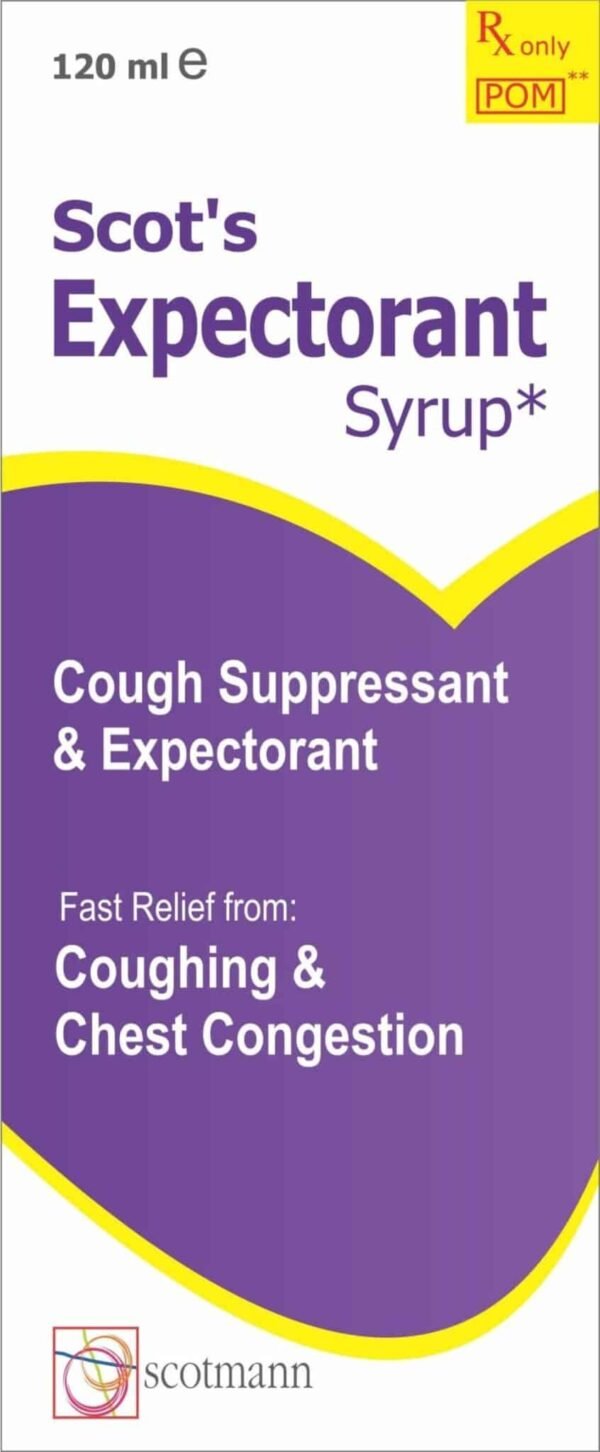
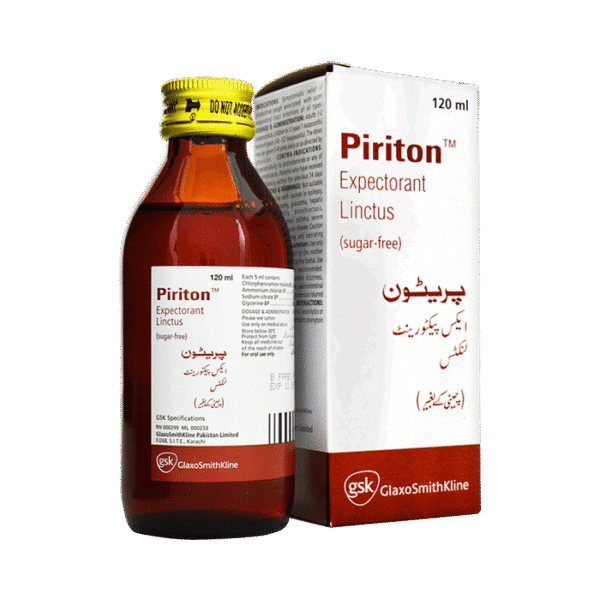
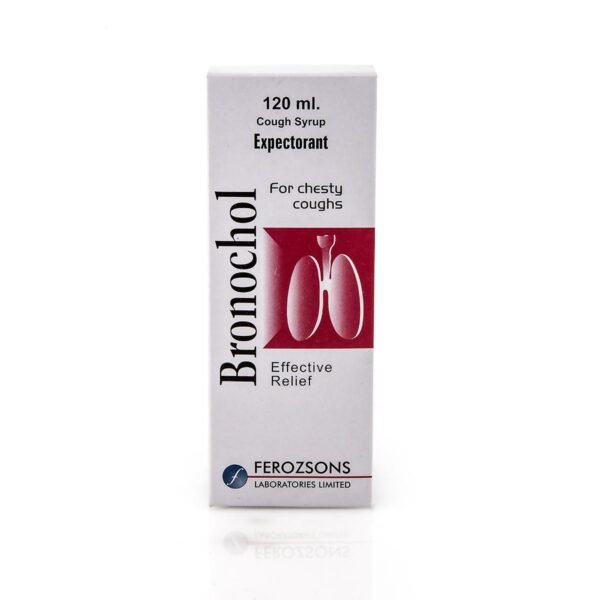
Expectorants thin the mucus sitting in the airways so that a cough can shift it more easily. They suit a chesty, productive cough. They are the opposite of cough suppressants, which are meant for a dry cough, and the two are often confused.
What You Will Find Here
Guaiphenesin based syrups
Ammonium chloride and other traditional expectorant mixtures
Combination syrups with a decongestant or antihistamine
Sugar free options and childrens preparations
Getting The Most From Them
Drink plenty of water, which does much of the thinning
Match the syrup to the cough, chesty or dry
Read combination labels so ingredients are not doubled up
Precautions
See a doctor if a cough lasts beyond two to three weeks, brings up blood or green phlegm with fever, or comes with breathlessness or chest pain. Many combination syrups are not suitable for young children, and people with high blood pressure, diabetes or heart disease should check the label with a pharmacist.
This page is general information only. It is not a substitute for advice from your doctor or pharmacist, and it does not include dosage. Always follow the directions given to you and read the leaflet inside the pack.