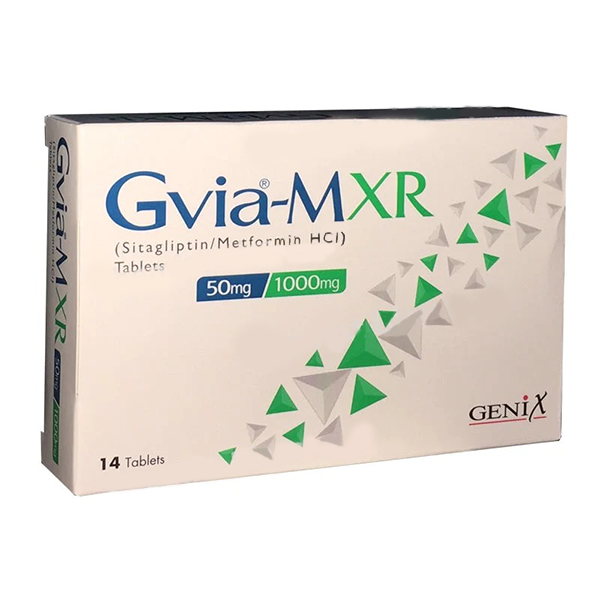
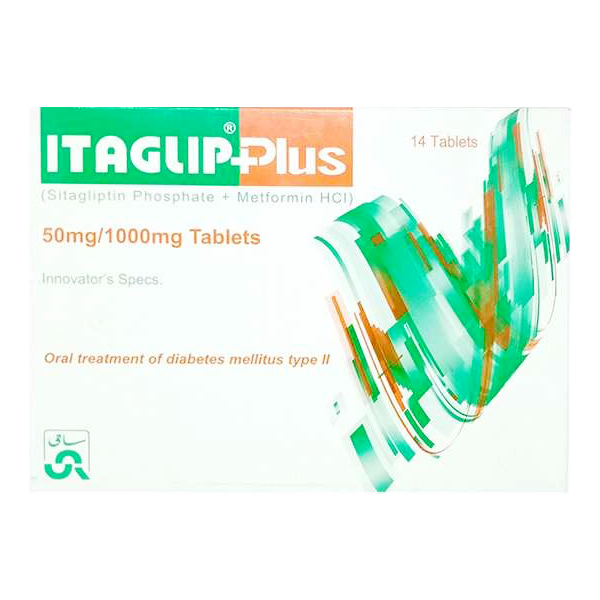
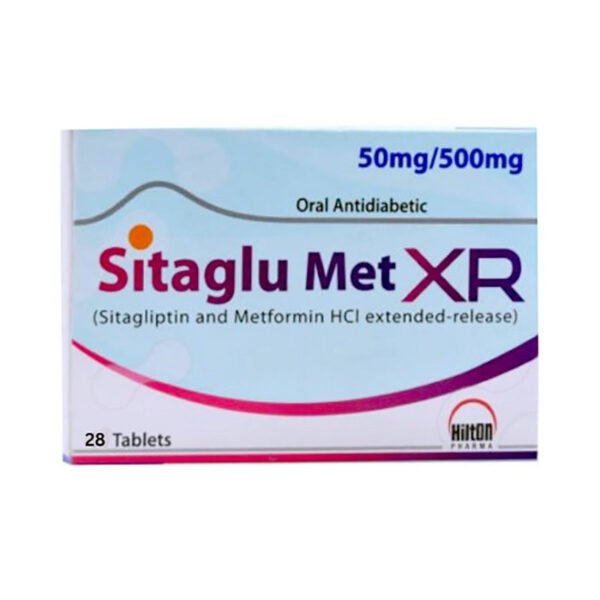
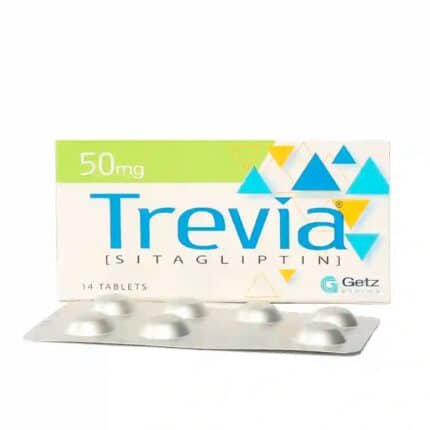
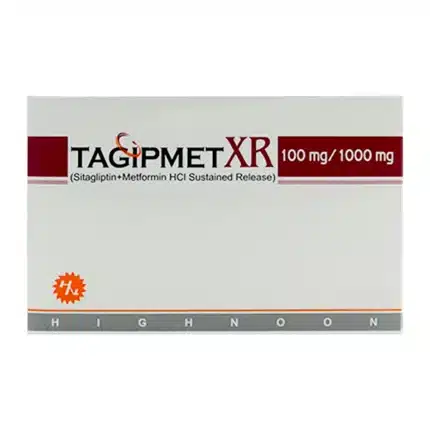
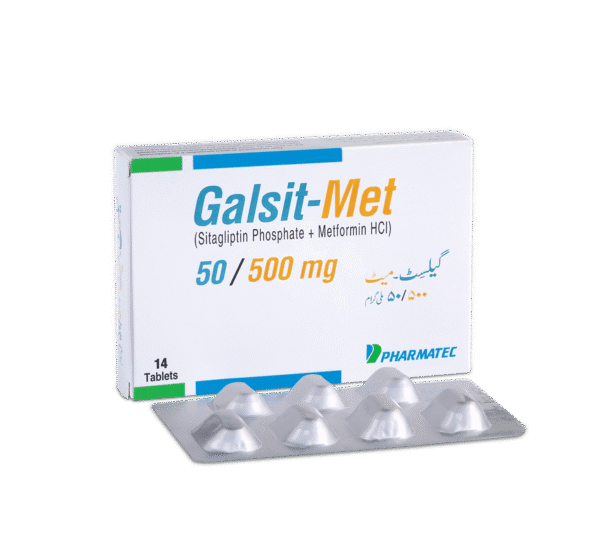
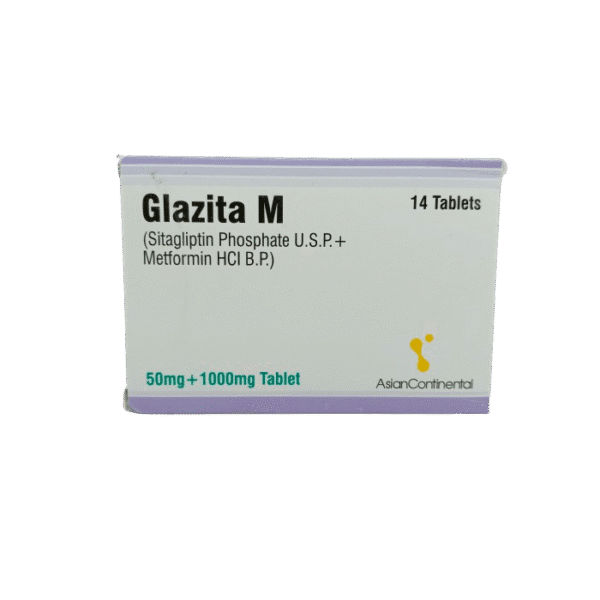
Sitagliptin is an oral medicine for type 2 diabetes from the DPP-4 inhibitor group. It helps the body release more insulin when blood sugar is high and is taken once a day.
What Sitagliptin Is Used For
Type 2 diabetes in adults
Often combined with metformin when one medicine is not enough
Common Side Effects
Headache
Blocked or runny nose
Mild stomach upset
Precautions
Sitagliptin rarely causes low blood sugar on its own, but the risk rises if it is combined with other diabetes medicines. Tell your doctor at once about severe, lasting stomach pain, as inflammation of the pancreas has been reported. Your doctor may check kidney function during treatment.
This page is general information only. It is not a substitute for advice from your doctor or pharmacist, and it does not include dosage. Always follow the directions given to you and read the leaflet inside the pack.
Sitagliptin is a medication used to lower blood sugar levels in people with type 2 diabetes. It belongs to a class of drugs called dipeptidyl peptidase-4 (DPP-4) inhibitors, which work by increasing the levels of certain hormones that help to lower blood sugar.
Benefits:
Lowers blood sugar levels
Can be used in combination with other diabetes medications
Can improve the body’s ability to produce insulin
Helps to lower A1C (a measure of long-term blood sugar control)
Side Effects:
Headache
Nausea
Diarrhea
Constipation
Stomach pain
Upper respiratory infection
Sinus infection
Back pain
Fatigue
Urinary tract infection
Note: Sitagliptin may interact with some medications and supplements, and it is important to inform your doctor about all the medications you are taking before starting sitagliptin.
Also, you should tell your doctor if you have a history of pancreatitis, as the use of sitagliptin may be contraindicated in these cases.