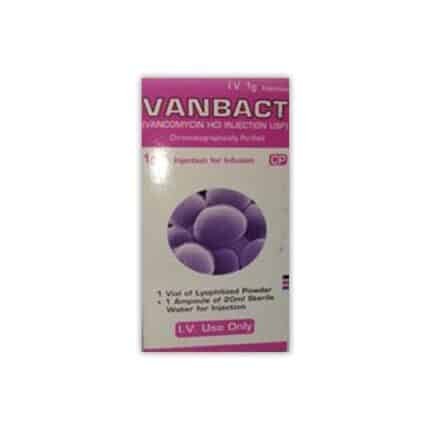
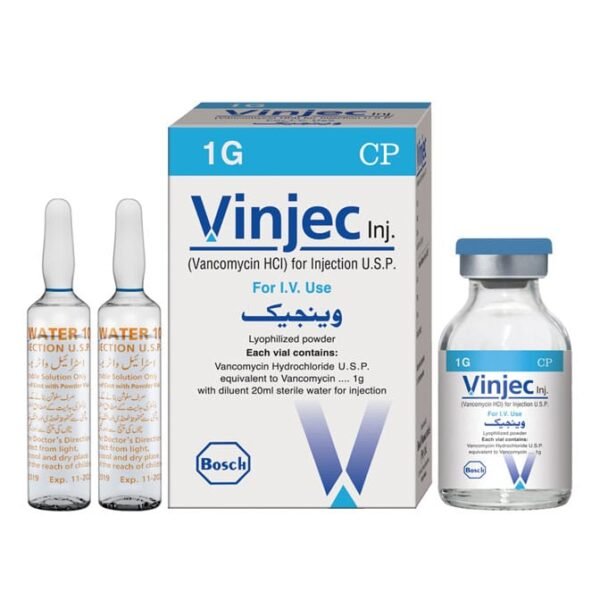
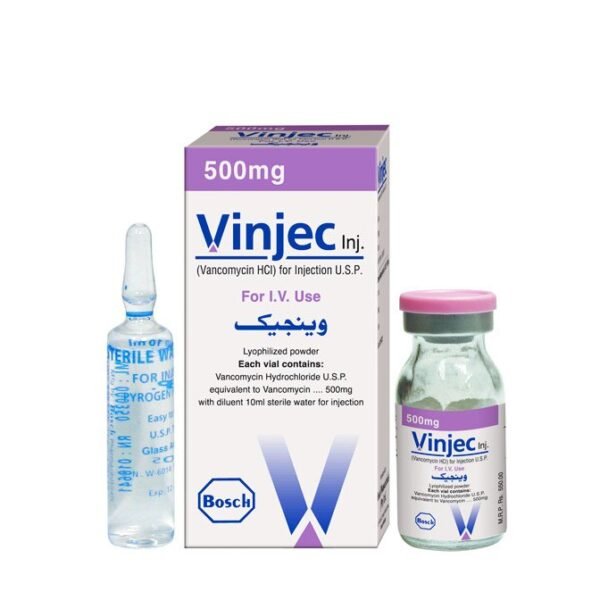
Vancomycin is an antibiotic medication used to treat a wide range of bacterial infections, particularly those caused by gram-positive bacteria. It works by inhibiting the growth and reproduction of bacteria by binding to specific cell wall components.
Uses
Vancomycin is used to treat a wide range of bacterial infections, including:
Skin and soft tissue infections
Bone and joint infections
Bloodstream infections
Gastrointestinal infections
Bacterial endocarditis
Vancomycin is also used as a last-resort treatment for methicillin-resistant Staphylococcus aureus (MRSA) infections
Benefits
Vancomycin is effective against a wide range of gram-positive bacteria, including methicillin-resistant Staphylococcus aureus (MRSA)
It is available in multiple formulations, including oral and intravenous, which allows for flexibility in treatment
Side Effects
Nausea
Diarrhea
Stomach pain
Allergic reactions (such as rash, hives, and itching)
Inflammation of the colon (colitis)
Changes in hearing (ototoxicity)
It is important to consult with your doctor before taking Vancomycin and use it as directed by your doctor to avoid overuse and potential negative side effects. If you experience severe side effects or if your symptoms worsen, contact your doctor immediately.
This page is general information only. It is not a substitute for advice from your doctor or pharmacist, and it does not include dosage. Always follow the directions given to you and read the leaflet inside the pack.