

Health Guides & Medicine Information
High Blood Pressure in Pakistan: Symptoms, Causes, and How to Control It

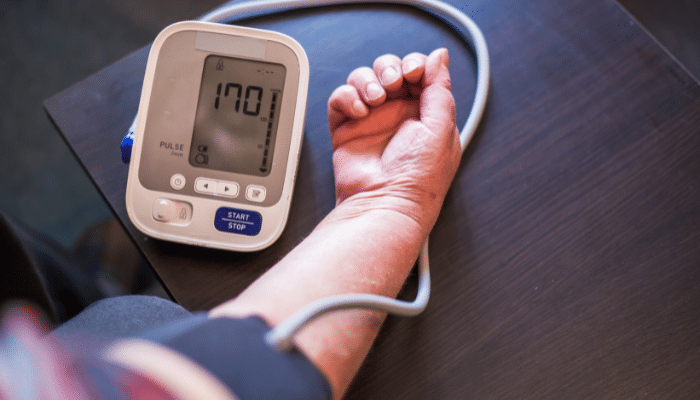
High blood pressure, or hypertension, is often called the silent killer, and the nickname is well earned. Most people with it feel completely normal. There’s no obvious warning, no daily discomfort, and so it goes unchecked for years while it quietly strains the heart, kidneys, and blood vessels.
In Pakistan, a huge number of adults have raised blood pressure and many don’t even know it. The reassuring part is that once you know, it’s very manageable. Here’s what to look out for and what to do.
What does blood pressure actually measure?
Every time your heart beats, it pushes blood through your arteries. Blood pressure is simply the force of that blood against your artery walls. It’s written as two numbers, for example 120/80. The top number is the pressure when your heart beats; the bottom is when it rests between beats.
Consistently high readings mean your heart is working harder than it should, and over time that takes a toll.
Why it’s dangerous when ignored
Left unmanaged, high blood pressure raises your risk of some very serious problems:
- Heart attack and heart disease
- Stroke
- Kidney damage
- Vision problems
None of these announce themselves early, which is exactly why regular checks matter so much. You can’t feel your blood pressure, but you can measure it.
Symptoms (when there are any)
Most people have no symptoms at all. When blood pressure runs very high, some notice:
- Persistent headaches
- Dizziness
- Blurred vision
- Chest discomfort or shortness of breath
- A pounding feeling in the chest, neck, or ears
Because symptoms are unreliable, the only way to truly know your numbers is to measure them.
What causes high blood pressure
- Too much salt in the diet, a big one in our cuisine
- Being overweight
- Little physical activity
- Smoking and excess caffeine
- Ongoing stress
- A family history of hypertension
- Getting older
Most of these are things you can influence, which is where the good news lies.
How to bring it under control
1. Cut down on salt. This is the single most effective dietary change for many people. Go easy on extra table salt, pickles, papad, processed snacks, and salty street food. Your taste buds adjust within a couple of weeks.
2. Keep an eye on your numbers at home. A home blood pressure monitor lets you track your readings without a clinic visit every time, and it helps your doctor see your real pattern. If you’re picking one, see our guide to the best blood pressure monitors in Pakistan.
3. Stay active and manage weight. Regular walking, even 30 minutes a day, lowers blood pressure over time. Losing even a little excess weight makes a real difference.
4. Take your medicine consistently. If your doctor prescribes BP medication, take it every day as directed, not only when you feel off. Because hypertension is silent, skipping doses because you feel fine is a common and risky mistake.
5. Manage stress and sleep. Chronic stress and poor sleep both nudge blood pressure up. Whatever helps you unwind, walks, prayer, time with family, cutting late-night screen time, counts.
When to see a doctor
See a doctor if your home readings are repeatedly high, if you have a family history, or if you’re over 40 and haven’t checked in a while. Seek help urgently for a severe headache, chest pain, breathing difficulty, sudden weakness, or vision changes, these can signal an emergency.
This is general information, not personal medical advice. Your target numbers and treatment should be decided with your own doctor.
Frequently asked questions
What is a normal blood pressure reading?
Around 120/80 is often considered normal for adults, but the right target varies by individual. Ask your doctor what yours should be.
Can high blood pressure be cured?
It usually can’t be permanently cured, but it can be controlled very effectively with lifestyle changes and, where needed, medication.
How often should I check my blood pressure?
If you have hypertension, regular home monitoring is helpful; your doctor can advise how often. Otherwise, periodic checks are wise, especially after 40.
Does drinking more water lower blood pressure?
Staying hydrated supports overall health, but it isn’t a treatment on its own. Reducing salt, staying active, and following your doctor’s plan matter far more.
Take charge of your heart health at home. Browse blood pressure monitors and heart-health essentials at Khasmart, with delivery across Pakistan.