Many people with asthma or COPD carry an inhaler for years, yet studies show a large share of them do not use it correctly. If the puff ends up on your tongue or the back of your throat instead of your lungs, the medicine cannot do its job, and you may wrongly think it does not work. This guide explains the types of inhalers, how to use them step by step, and the habits that make treatment work better.
Why technique matters
An inhaler delivers a tiny amount of medicine straight to the airways. That is a big advantage, because lower doses reach the lungs with fewer side effects than tablets. But it only works when the dose is breathed in properly. Poor technique is one of the commonest reasons for poor asthma control, repeated chest infections and unnecessary hospital visits. For the bigger picture, see our guide on asthma, COPD and winter smog.
Reliever versus preventer
Most people use two kinds. A reliever (often with salbutamol) opens the airways quickly during wheeze, cough or breathlessness. A preventer contains an inhaled steroid, sometimes combined with a long-acting airway opener, and is used every day to calm inflammation, even when you feel well. Do not mix them up. Using only the reliever means the underlying inflammation is not treated, and stopping the preventer because you feel fine is a common reason for flare-ups.
Types of inhalers
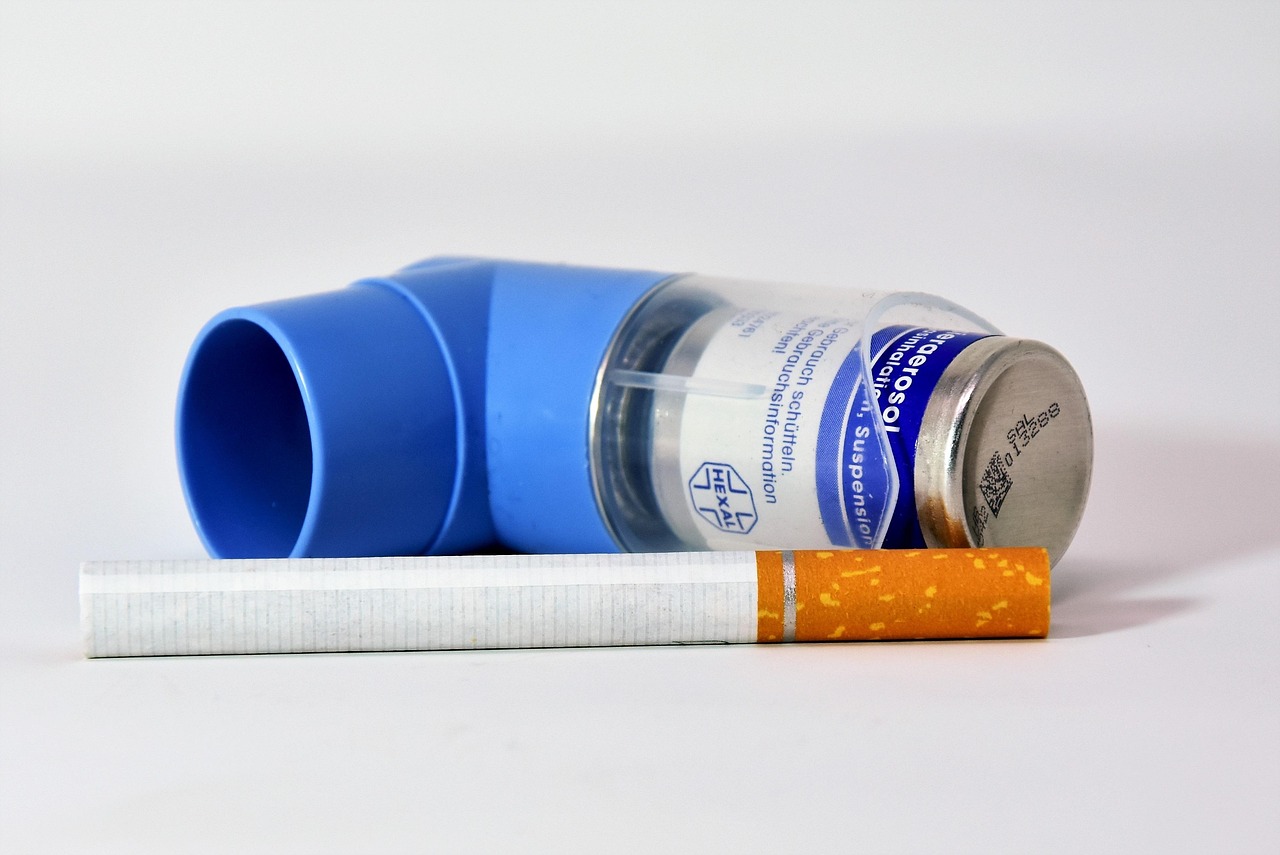
Metered dose inhaler (MDI). The classic pressurised canister. You press it and breathe in slowly at the same time. Many people find the timing hard, which is why a spacer is so helpful.
Dry powder inhaler or capsule device. You load a capsule or dose and breathe in fast and deep. No coordination is needed, but you need enough breath strength. Devices like the Revolizer device are used with capsules for this purpose.
Nebuliser. A machine turns liquid medicine into a mist you breathe through a mask. It suits small children, the elderly and severe attacks. Our best nebulizer in Pakistan guide and the nebulizers and inhalers category can help you choose.
How to use a metered dose inhaler
Take off the cap and shake the inhaler well. Breathe out gently, away from the device. Put the mouthpiece between your teeth and seal your lips around it. Start breathing in slowly and press the canister once at the start of that breath. Keep breathing in slowly and deeply for several seconds. Hold your breath for about ten seconds, or as long as is comfortable, then breathe out slowly. If you need a second puff, wait about a minute, shake again and repeat. Always rinse your mouth after a steroid inhaler and spit the water out. This lowers the chance of a sore mouth or oral thrush.
Why a spacer helps
A spacer is a plastic chamber that attaches to the inhaler. You press the canister into the chamber and then breathe in from it, so there is no need to match your timing. It also stops most of the medicine from landing in your throat. Children, older adults and anyone who struggles with timing benefit most. Wash the spacer with mild soap and water, let it air dry without wiping, and replace it according to the maker’s advice. The Salbomatic N spacer is one option that can be matched with common inhalers.
How to use a dry powder or capsule inhaler
Load the dose exactly as the leaflet shows and keep the device level. Breathe out away from the mouthpiece. Seal your lips and breathe in quickly and deeply from the start. Hold your breath for a few seconds and breathe out away from the device. Never breathe into a dry powder inhaler, because moisture can clump the powder. Store it somewhere dry, and never swallow capsules meant for the device.
Common mistakes
The biggest ones are not shaking an MDI, pressing before breathing in, breathing in too fast with a puffer, not holding the breath, skipping the mouth rinse after steroids and using an inhaler after it is empty. A dose counter helps, but if your inhaler has none, note the date you start and keep a spare. Heat in a parked car can damage canisters, so do not leave one on the dashboard in summer.
Triggers to manage alongside the inhaler
Dust, smoke, smog, cold air and strong scents set off many attacks. Wear a mask on high smog days, avoid smoking in the house and keep bedding clean. People with allergies should also read our guide on allergy medicines. See also the asthma and COPD category for available products.
Inhalers and nebuliser solutions are prescription medicines. If you have a prescription, you can upload it here and we will check availability.
When to get urgent help
Go to a hospital if you cannot speak a full sentence, your lips turn bluish, the reliever does not help or lasts less than four hours, or breathlessness keeps getting worse. Do not wait it out at home.
What to ask your doctor
Ask them to watch you use your inhaler and correct your technique. Ask whether you need a spacer, how many puffs signal that your asthma is out of control, and what your written action plan says for a bad day.
Frequently asked questions
Is it safe to use an inhaler every day? A daily preventer is safe and intended for long-term use. Overusing a reliever is a warning sign.
Can children use an inhaler? Yes, usually with a spacer and mask, under a doctor’s guidance.
Do inhalers cause addiction? No. They treat the condition and are not habit forming.
How do I know my inhaler is empty? Check the dose counter. Shaking is not reliable.
Can I share my inhaler? No, for hygiene and safety reasons.
Disclaimer: This article is for general awareness and does not replace advice from a doctor. Please consult a doctor or pharmacist before starting, changing or stopping any medicine.