
Health Guides & Medicine Information
Mahwari ka Dard (Period Pain): Medicines, Home Relief and When to Worry

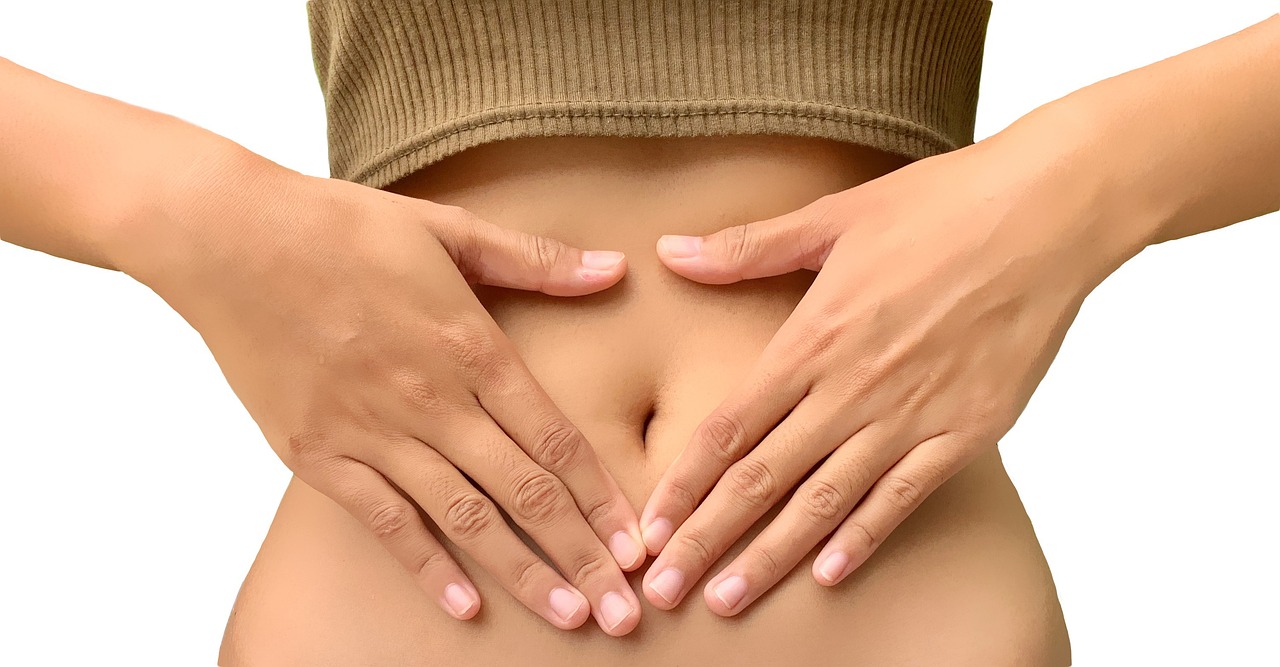
Mild cramps before or during periods are common, but many women in Pakistan quietly suffer through pain so strong that they miss school, work or family events. Mahwari ka dard (period pain) is often brushed off as ‘normal’, yet severe pain can have a treatable cause. This guide covers how period pain medicines work, simple home relief, and the signs that mean it is time to see a gynaecologist.
Why do periods hurt?
During a period the uterus contracts to shed its lining. Chemicals called prostaglandins trigger these contractions, and higher levels mean stronger cramps. This is called primary dysmenorrhoea and usually starts in the teen years or early twenties. Pain that begins later in life, gets worse over time, or is very heavy may be secondary dysmenorrhoea, caused by conditions such as endometriosis, fibroids, or pelvic infection.
Medicines commonly used
- NSAID painkillers. Medicines such as mefenamic acid, ibuprofen and naproxen work by lowering prostaglandins, so they are usually more effective than plain paracetamol for cramps. They work best when started at the first sign of pain and taken with food. They are not suitable for everyone, such as people with stomach ulcers, asthma triggered by painkillers, or kidney problems. Browse the Pain and Inflammation range, and read our guide to painkillers explained.
- Antispasmodics. Medicines that relax the muscle spasm in the uterus and gut. A doctor or pharmacist can advise.
- Hormonal treatment. Birth control pills and some other hormonal options can reduce pain and bleeding. These need a prescription and a proper check. Our contraception guide explains the options.
- Medicines for heavy bleeding. Tranexamic acid and hormonal options are sometimes prescribed. See the Menstrual Disorders and Endometriosis category and Women’s Health and Hormones.
- Iron. Heavy periods drain iron. If you feel tired, dizzy or pale, ask about a blood test. Our iron deficiency guide and Anemia and Iron range can help.
For prescription medicines, you can send your doctor’s note on our upload prescription page.
Home relief that actually helps
- Heat. A warm water bottle or heating pad on the lower belly relaxes the muscles. Check our Hot and Cold Therapy section.
- Gentle movement. Light walking or stretching can ease cramps.
- Warm drinks. Ginger, fennel (saunf) or ajwain water are traditional favourites. They are generally safe in food amounts, but they do not replace treatment for severe pain.
- Rest and sleep. Pain feels worse when you are exhausted.
- Cut back on caffeine and very salty snacks in the days before your period if they make bloating worse.
Hygiene and comfort
Change pads regularly and choose a type that suits your flow. Our sanitary pads guide will help you choose, and the Feminine Care section has the products.
When pain is not normal
See a doctor if:
- Pain stops you from doing normal activities every month.
- Painkillers do not help or you need them for many days.
- Bleeding soaks a pad every hour or lasts more than a week.
- Periods are very irregular. Read about PCOS and PCOD.
- Pain during intercourse, bowel movements or urination, which can point to endometriosis.
- Fever, foul smelling discharge, or sudden severe one sided pain.
Questions to ask your doctor
- Is my pain typical, or should I have an ultrasound or other tests?
- Which painkiller is safest for my stomach and kidneys?
- Could a hormonal option reduce my pain and bleeding?
- Do I need an iron or vitamin D check?
- How can I manage pain during exams or work days?
Frequently asked questions
Is it safe to take painkillers every month?
Short use at the right time is generally fine for most people, but ask your doctor if you need them every cycle or have other health conditions.
Can unmarried girls take period pain medicines?
Yes. Period pain medicines are not related to marital status. Teenagers should have guidance from a parent, doctor or pharmacist.
Does period pain affect fertility?
Normal period cramps do not. But conditions like endometriosis can, which is why severe pain should be checked.
Do cramps get better after pregnancy or with age?
For many women they ease, but not always. Do not wait if the pain is disabling.
Disclaimer: This article is for general awareness and does not replace medical advice. Please consult a doctor or pharmacist before taking any medicine, especially if you are pregnant or have a long term condition.
Talking about period pain openly
In many homes periods are still a taboo topic, so girls hesitate to say how bad the pain is. Mothers, sisters and teachers can help by treating period pain as a normal health issue that deserves care. Keep a small diary of pain days, flow and symptoms for two or three cycles. It makes the doctor visit much more useful, and it helps you notice patterns such as pain getting worse each month. Good information, a basic supply of the right products at home, and a supportive family make a real difference to comfort and confidence.