
Health Guides & Medicine Information
Smog Protection Kit: A Health Guide for Punjab Families

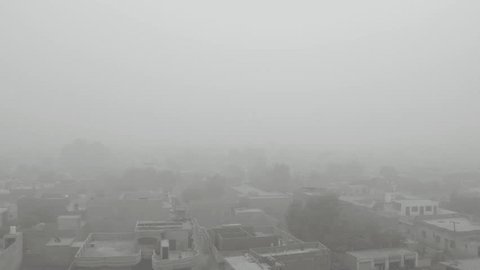
Every year around late October, the sky over Punjab starts to change. The mornings turn hazy, the sun looks weaker than it should, and by November a grey blanket settles over cities like Faisalabad, Lahore and Multan. This is smog season, and if you have children, elderly parents, or anyone with asthma at home, it is worth preparing before the worst weeks arrive rather than during them.
The good news is that most of what protects your family is simple and inexpensive. A small, well-thought-out smog protection kit kept at home does more for your health during these months than almost anything else. This guide explains what smog actually does to the body, who needs the most care, and exactly what to keep ready.
What smog actually does to your body
Smog is not just “thick fog.” Fog is water. Smog is a mix of tiny particles and gases, mostly from vehicle exhaust, industrial emissions and crop-residue burning, that hangs close to the ground once the cooler winter air stops it from rising. The most harmful part is a particle called PM2.5, small enough to slip past your nose and throat and reach deep into the lungs, and even the bloodstream.
For most people the first signs are mild and easy to dismiss: a scratchy throat, watery or burning eyes, a dry cough that will not settle, headaches, and a heavy, tired feeling. But over weeks of exposure these particles inflame the airways. That is why hospitals across Punjab see a sharp rise in respiratory complaints every smog season, and why people who were breathing normally in summer suddenly find themselves short of breath.
Who is most at risk
Smog affects everyone, but some family members need extra attention:
- Children, because their lungs are still developing and they breathe faster than adults.
- Elderly parents, especially anyone with a heart condition.
- Anyone with asthma, COPD or allergies, as smog is one of the most common triggers for an attack.
- Pregnant women, who should limit exposure as a sensible precaution.
If someone in your home falls into these groups, the kit below is not optional, it is basic winter care.
Building your home smog protection kit
Think of this as a small box you assemble once and keep by the door. Here is what belongs in it and why.
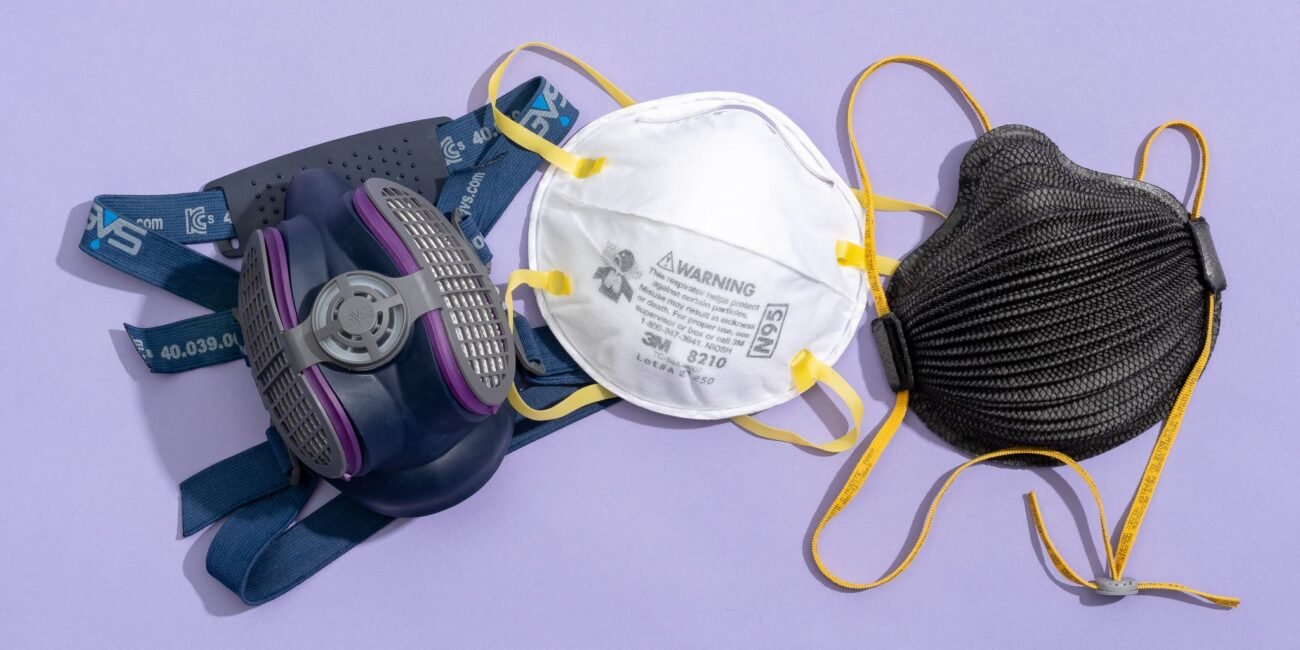
A good mask. An ordinary cloth or surgical mask does very little against PM2.5 particles. A properly fitted N95 (or KN95) mask is the one that actually filters them out. Keep a few at home for anyone who has to step outside on a bad-AQI day, whether it is the school run, the morning commute, or a trip to the market.
Saline nasal spray or drops. Smog dries out and irritates the nose and sinuses. A simple saline nasal spray helps rinse out trapped particles and keeps the nasal passages comfortable, and it is safe for both adults and children.
Lubricating eye drops. Burning, red, watery eyes are one of the most common smog complaints. A bottle of over-the-counter lubricating eye drops brings quick relief and is easy to keep in a pocket or handbag.
Something for cough and throat relief. A soothing cough syrup and some throat lozenges handle the dry, nagging cough that smog brings on. Keep a separate paediatric option if you have young children, so you are not improvising at night.
Immunity support. Your body copes better with irritation when it is well-nourished. Vitamin C and other immunity-support supplements, along with plenty of warm fluids, are a reasonable addition, not a cure, but a sensible part of the routine.
A thermometer. Smog-season coughs and colds can tip into fever, especially in children. Having a working digital thermometer at home means you can check properly instead of guessing.
Inhalers and prescribed medicines, kept stocked. If anyone in the family uses an inhaler or regular asthma medicine, do not wait for it to run out mid-season. Refill early. You can upload your prescription to Khasmart and have it delivered so you are never caught short on a bad day.
You do not need to buy everything at once or spend a lot. The point is that when a genuinely bad smog day arrives, you already have what you need at home instead of searching for it at 10pm.
Daily habits that make a real difference
A kit works best alongside a few simple habits:
- Check the AQI before going out. The Punjab government dashboard at aqi.punjab.gov.pk and free apps show real-time readings. On very high days, reschedule non-essential outings.
- Keep windows shut during peak hours, usually early morning and late evening when smog settles lowest.
- Move exercise indoors on bad days. A brisk outdoor walk during heavy smog does more harm than good.
- Rinse up after coming home: wash your face, hands and eyes, and change out of outdoor clothes.
- Keep indoor air cleaner by avoiding indoor smoke from cigarettes, incense, and where possible, open cooking fumes.
When to see a doctor
Most smog symptoms are manageable at home. But treat these as warning signs and seek medical help without delay:
- Difficulty breathing, wheezing, or chest tightness
- A cough or fever that keeps getting worse over several days
- Bluish lips, extreme drowsiness, or confusion, especially in children or the elderly
- Any asthma attack that does not settle with the usual inhaler
For anyone with an existing heart or lung condition, it is worth a conversation with your doctor at the start of the season about a winter plan.
The bottom line
Smog season in Punjab is predictable. It comes every year, roughly from late October into January. That predictability is your advantage. Spend one afternoon now putting together a simple smog protection kit, build a couple of good habits around it, and you spare your family a lot of coughing, red eyes and worry over the coming months.
Stay indoors on the worst days, protect the youngest and oldest members of your home first, and keep your essentials stocked before you need them.
Related reading on Khasmart: Fever in children: when to worry and Dengue symptoms and prevention.
This article is for general information and awareness only. It is not a substitute for professional medical advice. Always consult a qualified doctor or pharmacist for diagnosis and treatment, especially for children, pregnant women, and anyone with an existing health condition.