

Health Guides & Medicine Information
Dengue Symptoms in Pakistan: Warning Signs and Prevention

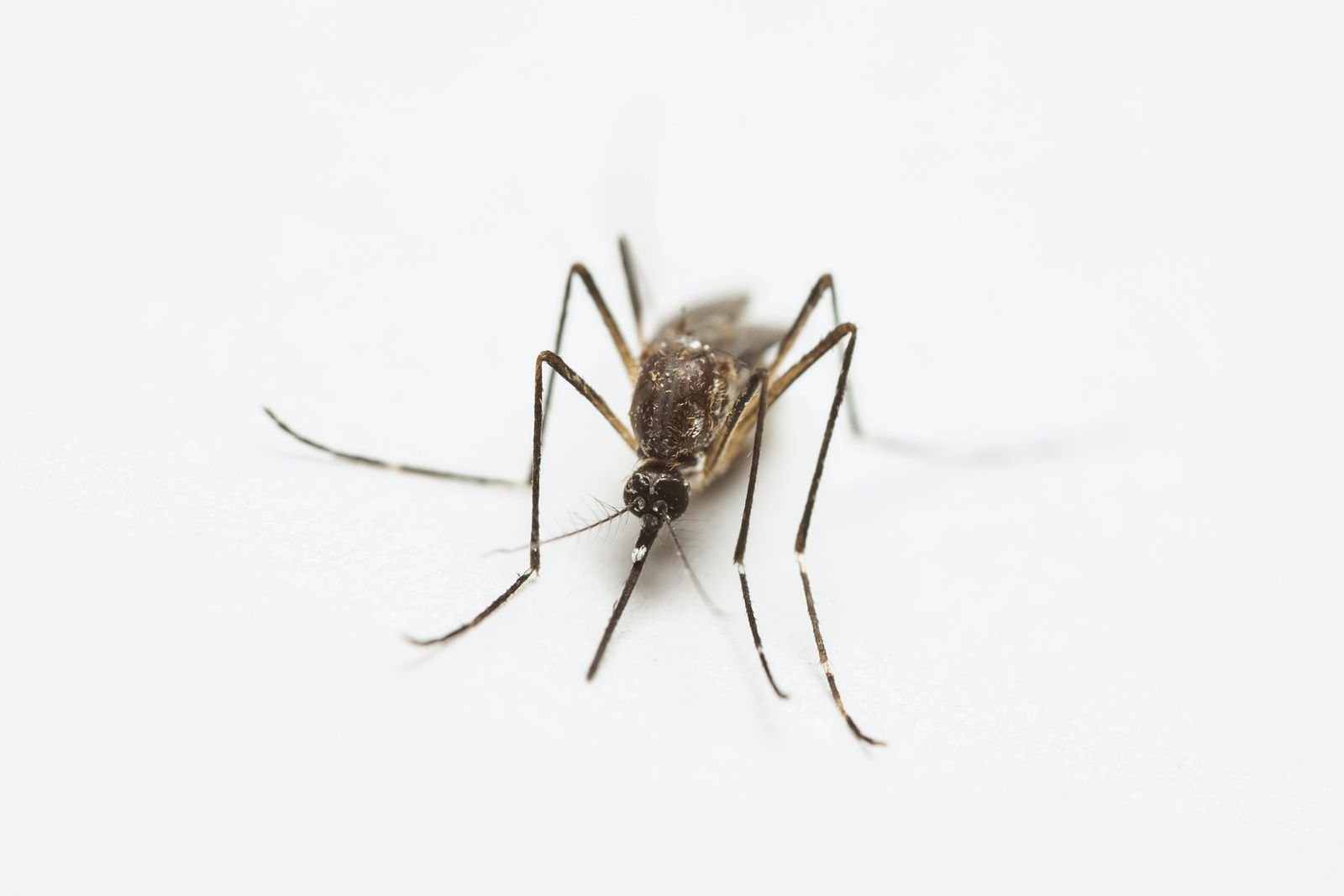
Dengue season has started early this year. Rawalpindi confirmed its first cases at the beginning of June, and by August district emergency committees across Punjab were reviewing response plans. Peshawar Division has reported a decline after an intensified prevention drive — proof that precautions genuinely work.
For most families the questions are simple: how do I know if this fever is dengue, what do I do at home, and when do I stop waiting and go to a hospital? This guide answers those three questions.
This article is for general awareness only. It is not a diagnosis and not a prescription. Dengue can turn serious quickly. If you or a family member has a high fever, see a qualified doctor.
What is dengue, and why does it spike after the monsoon?
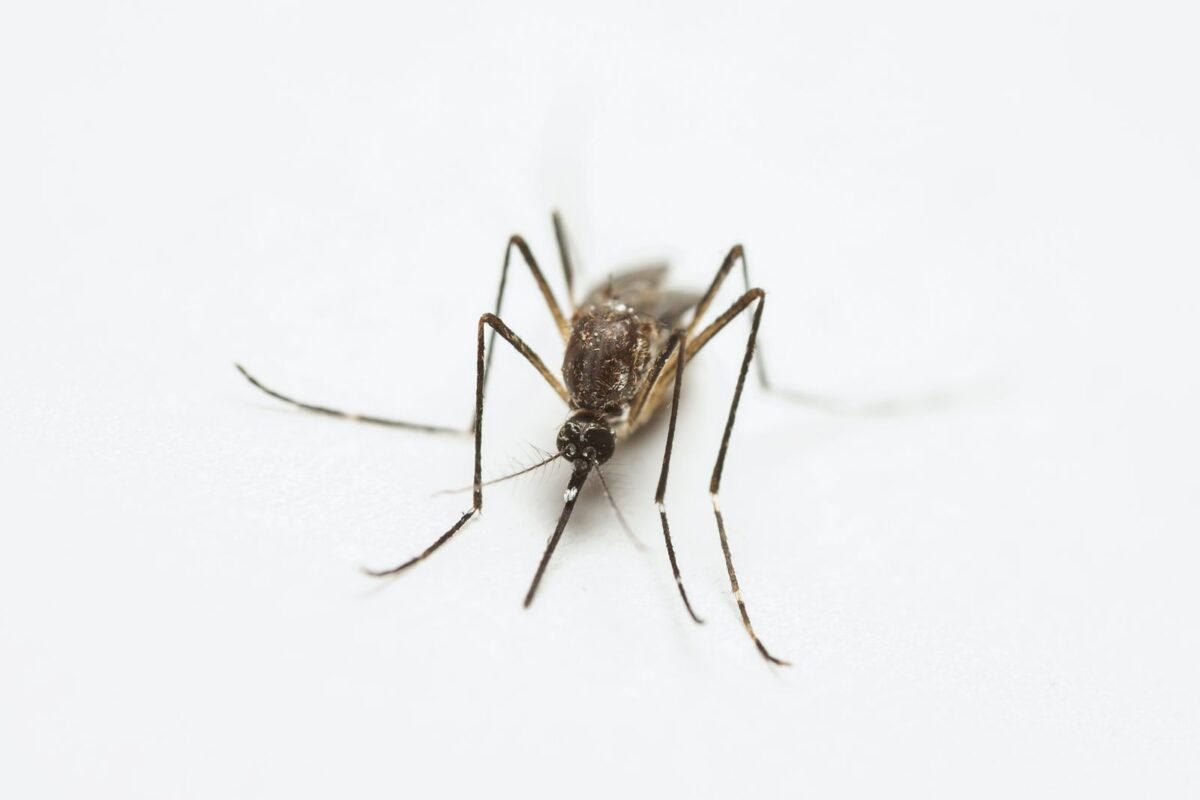
Dengue is a viral infection spread by the Aedes mosquito. It does not pass from person to person — it needs the mosquito as a carrier.
That mosquito breeds in clean, standing water, not dirty drains. This is the single most misunderstood fact about dengue in Pakistan. A flowerpot tray, an uncovered water tank, a discarded tyre, an air-cooler tray or a plant saucer on your balcony is a perfect breeding site. Punjab’s anti-dengue campaign destroyed more than 52,000 larval containers in Rawalpindi’s high-risk union councils in the first two weeks of June alone.
The Aedes mosquito also bites during the day, particularly early morning and before sunset. A mosquito net at night alone is not enough protection.
Symptoms of dengue fever

Symptoms usually appear four to seven days after an infected mosquito bite and last about five to seven days.
- Sudden high fever
- Severe headache
- Pain behind the eyes — a distinctive dengue symptom
- Severe muscle and joint pain (the reason it is called “breakbone fever”)
- Nausea and vomiting
- Skin rash, often a few days after the fever starts
- Extreme tiredness
Many people mistake the first day or two for ordinary flu or seasonal viral fever. Pain behind the eyes together with intense joint pain is the combination worth paying attention to during dengue season.
The three phases — and the dangerous one

This is the part most people do not know, and it saves lives.
- Febrile phase (days 1–3): high fever, body aches, headache.
- Critical phase (days 4–6): the fever drops. Most people assume they are recovering. This is exactly when severe dengue develops.
- Recovery phase: appetite returns and energy improves.
The most dangerous period is the 24–48 hours after the fever breaks. Do not stop monitoring a patient simply because the temperature has come down. Keep a digital thermometer at home and record the temperature at fixed times so you can see the pattern rather than guess at it.
Warning signs — go to a hospital immediately

Anyone showing these signs needs emergency medical care, not home treatment: severe abdominal pain or tenderness, persistent vomiting, bleeding from the gums or nose, blood in vomit or stool, extreme lethargy or confusion, difficulty breathing, or cold and clammy skin.
These are recognised warning signs of severe dengue in WHO clinical guidance. Do not wait to see whether they settle on their own.
The mistake that makes dengue worse
Do not take aspirin, ibuprofen, diclofenac or other NSAID painkillers during a suspected dengue infection.
This matters enormously and is very commonly got wrong. Dengue lowers your platelet count on its own. NSAIDs interfere with platelet function and thin the blood further, which sharply raises the risk of dangerous internal bleeding.
WHO guidance on dengue states plainly that ibuprofen and aspirin should be avoided because they can increase bleeding risk. The US CDC gives the same advice, citing the anticoagulant properties of these drugs. Both identify paracetamol (acetaminophen) as the medicine of choice for controlling fever and pain in dengue. Follow the dosage on the pack or your doctor’s instructions and do not exceed the daily maximum — dengue already places the liver under strain.
The practical problem is that many combination fever and flu tablets sold over the counter contain ibuprofen or aspirin without that being obvious from the brand name. Read the ingredients on the pack, not just the name. If you are unsure, ask a pharmacist before giving it to anyone with a fever.
Home care under a doctor’s supervision
There is no specific antiviral medicine for dengue. Treatment is supportive: rest, fluids and fever control.
- Fluids matter most. Oral rehydration solution, coconut water, fresh juices, clear soups and milk. Keep passing urine regularly — a practical sign of adequate hydration.
- Do not rely on very large quantities of plain water alone; ORS replaces the salts your body is losing too.
- Rest properly. Body aches and fatigue can persist well into recovery.
- Keep the patient under a mosquito net even during the day.
- Get the blood tests your doctor asks for. Platelet counts are monitored for a reason.
Prevention: what actually works

Prevention is far easier than treatment. Empty and scrub flowerpot trays, vases and pet water bowls weekly. Cover water tanks and storage drums tightly. Empty air-cooler trays when not in use. Clear blocked roof gutters. Remove tyres, broken pots and containers from the roof and yard.
Against bites: apply repellent to exposed skin in the early morning and evening, wear full sleeves and light colours, fit mesh screens on windows and doors, and use nets over infants and anyone resting during the day. Browse personal care essentials for repellents and hygiene products.
If someone in your area has dengue, increase precautions immediately — the mosquito has a short flight range, so cases cluster within neighbourhoods.
Frequently asked questions about dengue
Can dengue spread from person to person?
No. Dengue spreads only through the bite of an infected Aedes mosquito. However, an infected person can pass the virus to a mosquito that bites them, which is why patients should rest under a mosquito net even during the day.
Does papaya leaf juice cure dengue?
There is no established cure for dengue and no home remedy replaces medical care and proper fluid management. Do not delay seeing a doctor while trying home remedies.
Which painkiller is safe in dengue?
WHO and the CDC identify paracetamol (acetaminophen) as the medicine of choice for fever and pain in dengue. Aspirin, ibuprofen and other NSAIDs should be avoided because they increase the risk of bleeding. Always follow your doctor or pharmacist.
What platelet count is dangerous in dengue?
That judgement belongs to your doctor, who reads the platelet count alongside symptoms, hydration and haematocrit. A number on its own does not decide treatment.
Can you get dengue more than once?
Yes. There are multiple dengue serotypes, and a second infection with a different serotype carries a higher risk of severe dengue. Having had dengue before is a reason for more caution, not less.
How long does dengue recovery take?
Fever usually lasts five to seven days, but weakness and joint pain can continue for several weeks afterwards.
Key takeaway
Dengue is serious, but outcomes depend heavily on two things: catching the warning signs during the critical phase, and avoiding NSAID painkillers. Get both right, keep the patient hydrated, and see a doctor early.
Browse medicines, thermometers and health monitors and personal care essentials at Khasmart — a DRAP-licensed online pharmacy delivering across Pakistan.
Sources: World Health Organization dengue fact sheet; US Centers for Disease Control and Prevention clinical care guidance for dengue; Punjab Health Department dengue surveillance reporting, 2026. Photographs: Pexels.
Medical disclaimer: this content is for general information and does not replace professional medical advice, diagnosis or treatment. Always consult a qualified doctor about a medical condition.