

Health Guides & Medicine Information
Vitamin D Deficiency in Pakistan: Signs, Causes and Treatment

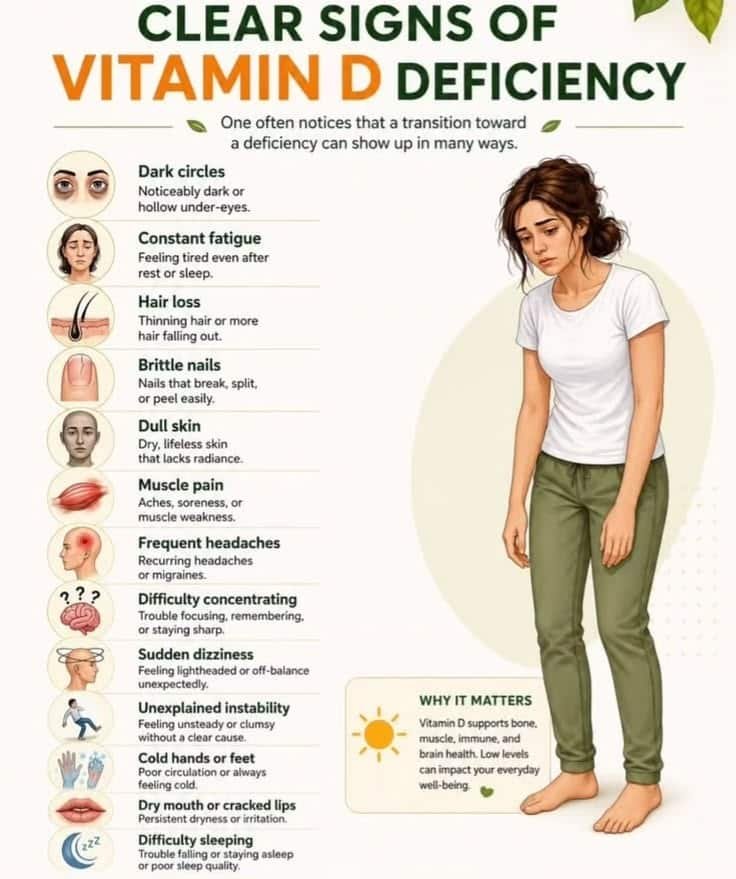
Vitamin D is one of the most important nutrients for your bones, muscles and immune system, yet a very large number of people in Pakistan are running low on it without even knowing. Because the early signs are easy to miss, many people live for years with tiredness, body aches and low mood before they discover the real reason. This guide explains the warning signs of vitamin D deficiency, why it is so common here, and the safe ways to bring your levels back up.
Why Vitamin D Deficiency Is So Common in Pakistan
It sounds strange in a country with so much sunshine, but vitamin D deficiency is widespread across Pakistan. Studies from major cities regularly find that most adults, women and children have low levels. The reasons are simple once you look at daily life: most of us work and study indoors, step out fully covered, and stay in the shade to avoid the heat. Air pollution and smog in cities like Lahore and Faisalabad also block much of the UVB sunlight the skin needs to make vitamin D. Add a diet that is naturally low in vitamin D, and deficiency becomes the norm rather than the exception.
Common Signs and Symptoms of Low Vitamin D
Vitamin D deficiency often develops quietly. The most common complaints include:
- Constant tiredness and low energy, even after a full night of sleep
- Bone pain, especially in the back, hips and legs
- Muscle weakness, cramps or aching
- Frequent coughs, colds and infections
- Hair fall
- Low mood or feeling down, particularly in winter
- Slow healing and general body pain
Because these symptoms overlap with many other conditions, a simple blood test is the only way to be sure.
Who Is Most at Risk?
Anyone can become deficient, but some groups are far more likely to be low: women, especially during pregnancy and after menopause; older adults; babies and breastfed infants; people who spend most of the day indoors; those who are overweight; and anyone who stays fully covered outdoors. People with certain gut, liver or kidney conditions also absorb vitamin D less easily.
What Causes Vitamin D Deficiency?
Your skin makes vitamin D when sunlight touches it, so the main causes are all things that reduce that exposure: limited time outdoors, covered skin, pollution and living in crowded areas with little direct sun. Diet plays a smaller role because very few foods naturally contain vitamin D. In some people the body simply cannot absorb or process it well, which is why deficiency can happen even in those who do get some sun.
How Vitamin D Deficiency Is Diagnosed
The deficiency is confirmed with a simple blood test called 25-hydroxy vitamin D, also written as 25(OH)D. It is widely available at labs across Pakistan and does not need fasting. Your doctor reads the result to decide whether your level is normal, insufficient or deficient, and how strong a treatment you need. Never guess the amount yourself, because the right dose depends on your test result.
How to Treat and Prevent Low Vitamin D
The good news is that vitamin D deficiency is easy and inexpensive to correct. Treatment usually combines three things:
- Sunlight: Get some direct morning sun on your arms and face a few times a week for a short while.
- Diet: Eat more vitamin D and calcium rich foods (see below).
- Supplements: For most people with a confirmed deficiency, a doctor recommends a vitamin D3 (cholecalciferol) supplement. These come in easy forms to suit every age, including oral drops for babies such as Drop D3 Oral Drop, high strength capsules and sachets like E-Drop D 200000 IU Capsule and Tinostol D-25 Sachets, and combined calcium plus vitamin D options such as Vitkal Plus Sachet and K-1000 Plus Sachets for bone strength.
Your pharmacist or doctor will tell you which form and strength is right for you based on your report. If you already have a prescription, you can upload it here and we will prepare your order for delivery.
Foods That Help
No food fully replaces sunlight or supplements, but these help top up your levels: eggs (especially the yolk), fatty fish such as salmon and sardines, liver, fortified milk and dairy, and mushrooms. Pairing them with calcium rich foods like milk, yoghurt and leafy greens supports your bones even more.
When to See a Doctor
Book a test and speak to a doctor if you have ongoing tiredness, bone or muscle pain, frequent illness, or if you are pregnant, elderly or caring for a young baby. Very low vitamin D over a long time can weaken bones and lead to conditions like osteomalacia in adults and rickets in children, so it is worth checking rather than ignoring.
Related Reading
- Fever in Children: When to Worry and When to Wait
- Dengue Symptoms in Pakistan: Warning Signs and Prevention
- Typhoid Fever in Pakistan: Symptoms, XDR Typhoid and Safe Treatment
- Waterborne Diseases After Monsoon Floods in Pakistan
Disclaimer: This article is for general awareness and education only and is not a substitute for professional medical advice. Always consult a qualified doctor or pharmacist before starting any supplement, especially for children, pregnant women or anyone with an existing health condition. Do not self prescribe high dose vitamin D.