
Health Guides & Medicine Information
Hair Regrowth Treatments: Minoxidil, Alopecia Areata and What to Expect

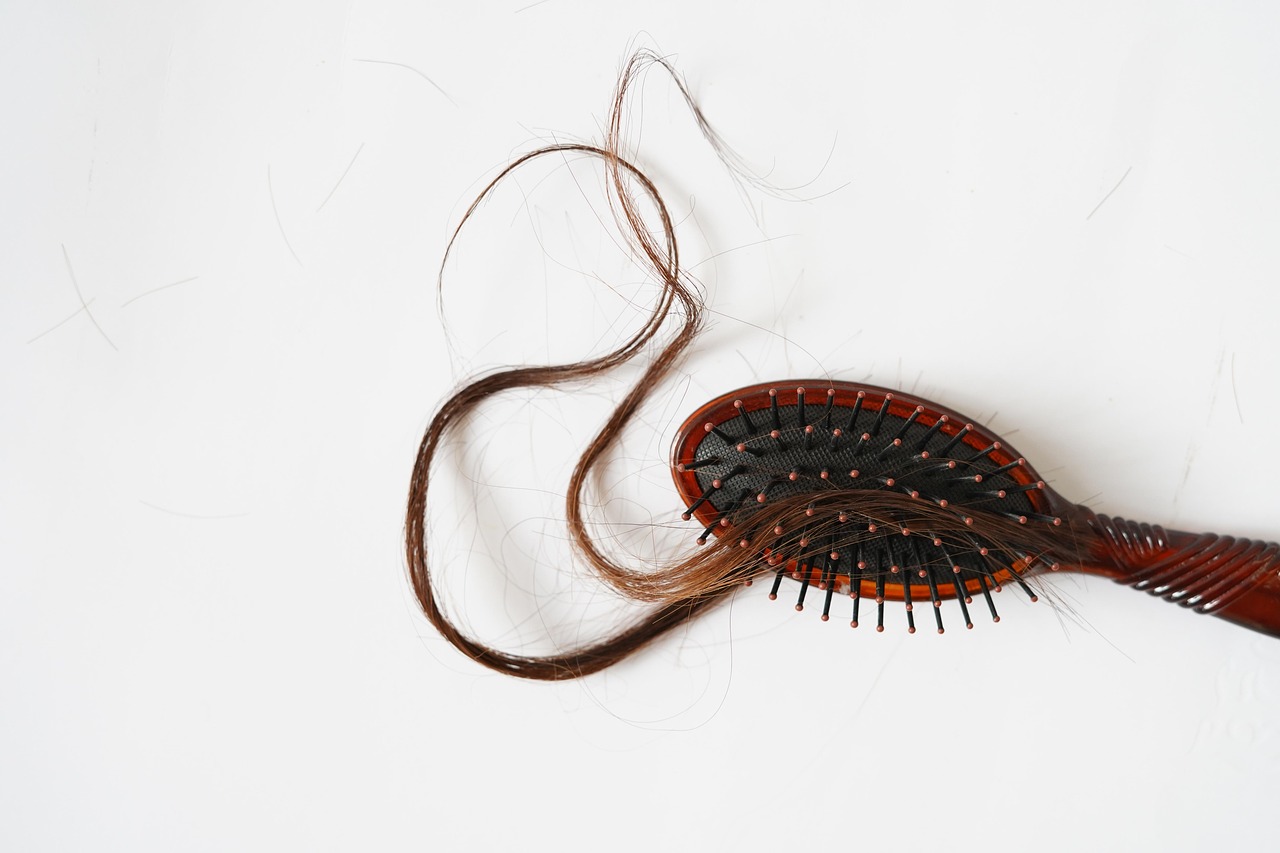
Finding more hair in the brush, a wider parting, or a perfectly round bald patch that appeared overnight can be frightening. Hair loss affects men and women, young and old, and the causes range from a poor diet to an immune condition. Knowing which type you have is the first step, because the treatments are very different.
This guide explains the main kinds of hair loss, how hair regrowth treatments such as minoxidil work, how long they take, what side effects to expect, and when to see a dermatologist.
The main types of hair loss
- Pattern hair loss (androgenetic alopecia): the most common type. Men see a receding hairline and a thinning crown. Women see a wider parting and overall thinning, usually without a receding front line. It runs in families.
- Telogen effluvium: sudden shedding two to three months after a trigger such as high fever, childbirth, major surgery, crash dieting or severe stress. It usually recovers by itself.
- Alopecia areata: an autoimmune condition that causes round, smooth bald patches. It can also affect the beard and eyebrows. It can come and go, and in some people regrows without treatment.
- Other causes: low iron, vitamin D or B12, thyroid problems, PCOS, fungal scalp infections, hairstyles that pull the hair, and some medicines.
Not sure which one you have? A dermatologist can examine the scalp and order tests such as blood counts, ferritin, thyroid and vitamin levels.
How hair regrowth treatments work
Minoxidil
Minoxidil is a lotion or foam applied to the scalp. It widens tiny blood vessels and prolongs the growth phase of the hair, which can thicken thin hair and slow down loss. It does not cure the cause. Keep these points in mind:
- It works best for pattern hair loss, and works better when started early.
- Results take three to six months. Many people see extra shedding in the first weeks, which is a sign it is working.
- You must keep using it. If you stop, the new hair usually falls out again over a few months.
- Side effects include scalp itching, dryness or irritation, and in some people, unwanted hair on the face. Stop and see your doctor if you notice dizziness, a fast heartbeat or swelling of the feet.
- It is not advised in pregnancy or breastfeeding. Wash your hands after use and keep it away from children and pets. Minoxidil is dangerous to cats.
Products in our dispensing range that contain minoxidil include Hair Fall Solution, Grow Max Plus and Hai Grow Oil.
Combination solutions with finasteride
Minoxidil + Finasteride 60ml is a combined topical product for pattern hair loss in men. Finasteride is a hormone-blocking ingredient, and it is not suitable for women who are pregnant or planning to be, or for children. It should be used on a doctor’s advice.
Treatments for alopecia areata
Patchy hair loss is usually managed by a dermatologist with steroid creams or injections, or other irritant treatments. Diethranol Ointment is an example of a product used for patchy hair loss under medical supervision. It can irritate and stain, so it is not a self-treatment. Other regrowth lotions such as Canthradine Oil and DHL Lotion are used in some routines.
Shampoos and supportive care
A shampoo does not regrow hair, but a gentle one keeps the scalp healthy. Regrow Shampoo is one option, and our hair loss and baldness and hair care categories have more.
What you can do alongside treatment
- Eat enough protein, iron-rich foods (red meat, liver, daal, spinach), eggs and dairy.
- Do not crash diet. Rapid weight loss often causes shedding.
- Check for a vitamin D deficiency, which is very common here. Read our guide to vitamin D deficiency in Pakistan.
- Be gentle: avoid tight ponytails, harsh chemical treatments, very hot styling tools and rough towel drying.
- Oil your scalp if you like, but avoid leaving heavy oil on for days, which can trap dirt and cause infection.
- Manage stress and sleep.
When to see a dermatologist
- Hair loss is sudden, patchy or in a round pattern.
- The scalp is red, scaly, painful or has pus.
- Hair is thinning in a young person, or in a woman with irregular periods or excess facial hair.
- You have other symptoms, such as tiredness, weight change, feeling cold or hot, or hair loss in the eyebrows.
- You started a new medicine and the shedding began soon after.
- You want to try minoxidil, finasteride or other prescription treatments.
Frequently asked questions
How much hair loss is normal?
Losing fifty to a hundred hairs a day is normal. More than that for several weeks, or visible thinning, deserves attention.
Does minoxidil work for everyone?
No. Many people improve, some stay the same, and a few see no change. It works best for early pattern hair loss.
Can alopecia areata grow back by itself?
Yes, in many cases, but it can return. A dermatologist can advise on treatment and monitor you.
Do hair vitamins work?
They help only if you are actually deficient. Get tested before spending on supplements.
Browse hair treatments in our dispensing section, with delivery across Pakistan.
This article is for general information and is not a substitute for advice from your dermatologist, doctor or pharmacist. It does not include dosage or strengths to use; always follow the directions on the pack or from your doctor.