
Health Guides & Medicine Information
Acne Creams Explained: Benzoyl Peroxide, Azelaic Acid, Clindamycin and Tretinoin

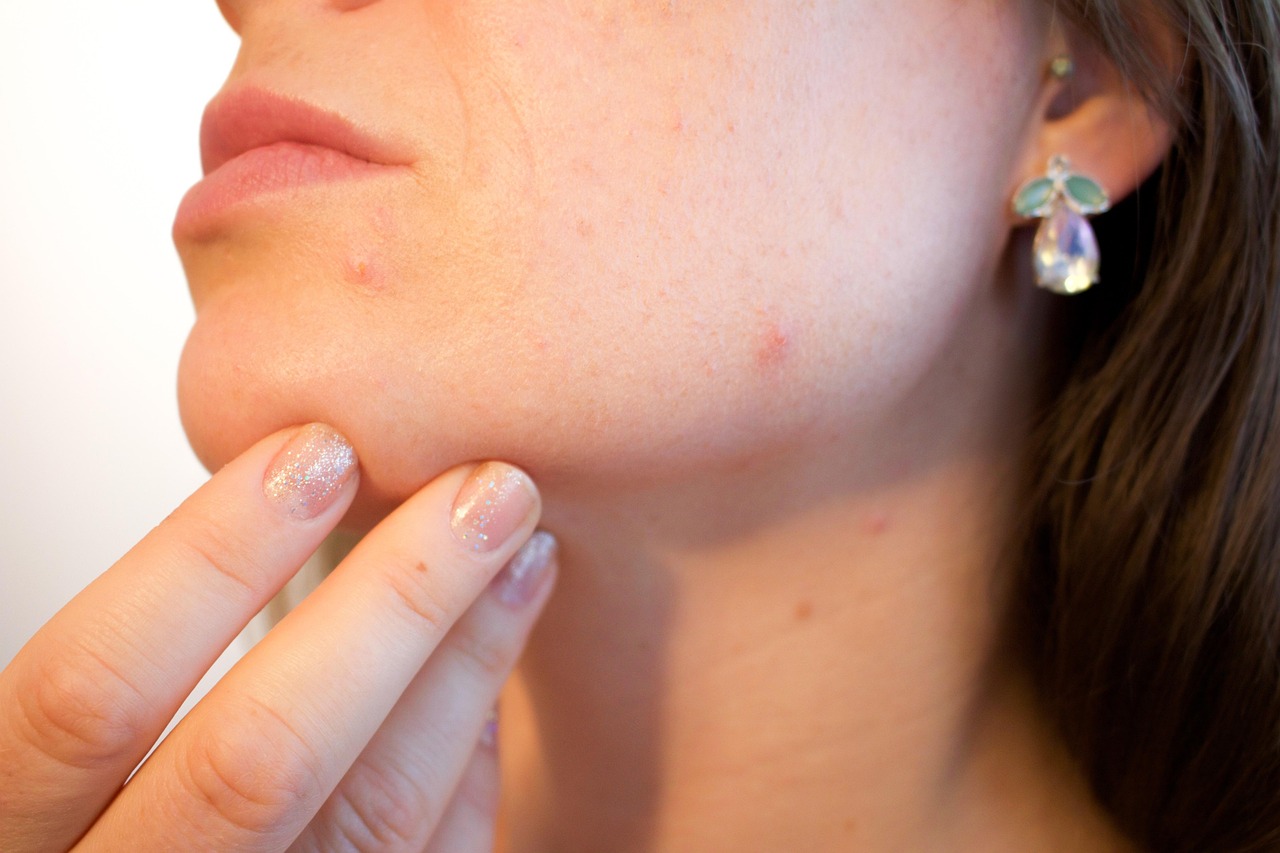
Walk into any pharmacy with pimples and you will be offered a dozen different creams, gels and lotions, each with a different active ingredient. Benzoyl peroxide, azelaic acid, clindamycin, tretinoin: they all say acne on the label, but they do different jobs. Picking the wrong one, or using several at once, can leave your skin red, dry and no better.
This guide explains how each of the main acne ingredients works, who it suits, how to build a simple routine, what mistakes to avoid and when you need a dermatologist.
What causes acne?
Acne starts when oil and dead skin cells block the pores. Bacteria then multiply in the clogged pore, and the skin becomes inflamed. Hormones, family history, stress, some medicines, heavy cosmetics and sometimes diet can make it worse. It is not caused by dirty skin, and scrubbing harder only makes it worse.
The main acne ingredients
Benzoyl peroxide
It kills acne bacteria and reduces oil. It works well for inflamed pimples and is a good first-line treatment. It can dry and irritate the skin, and it bleaches towels, pillowcases and hair. Start with a low strength and use it every second day at first. Products in our dispensing range include BPO Plus Cream, and a body soap such as Acno Soap which also contains salicylic acid.
Azelaic acid
It unclogs pores, calms redness and fades the dark marks that pimples leave behind, which makes it useful in darker skin. It is generally gentle, and often used in pregnancy on a doctor’s advice. Mild tingling at first is common. See Azelaic Acid Cream and Acne 1 Gel, which combines azelaic acid, clindamycin and tea tree oil.
Clindamycin
This is a topical antibiotic that reduces acne bacteria and inflammation. It works best together with benzoyl peroxide, because using an antibiotic alone for a long time can make the bacteria resistant. Do not use it for months without review. Products include Klinda Cream and Klinda Comp. Lotion, which also contains sulfur and sulphacetamide.
Tretinoin (a retinoid)
A vitamin A derivative that speeds up skin renewal and keeps pores from clogging. It is effective for blackheads, whiteheads and acne marks, but it takes weeks to work and often causes dryness, peeling and redness in the first month. It makes the skin sensitive to sun. It is not safe in pregnancy. Tretenion Cream is an example. It is used at night, in a small amount, and always with sunscreen in the morning.
Metronidazole
A topical antibiotic and anti-inflammatory used more for rosacea and some inflamed acne. Metronidazole Cream is an example, and your doctor will say if it suits you.
Cleansers
A gentle face wash such as Clear Wash helps keep the skin clean without stripping it. Wash twice a day, not more.
See more in our acne category and the dispensing section.
Building a simple routine
- Morning: gentle cleanser, a light non-greasy moisturiser, and a sunscreen. Add one active treatment only if your doctor recommends it.
- Evening: cleanse, apply one acne treatment to the whole area, not just to spots, and moisturise.
- Add one product at a time and wait four to six weeks before judging it.
- Be patient. Acne treatments take six to twelve weeks to work, and can make acne look worse before it improves.
Mistakes to avoid
- Using too many actives at once, such as benzoyl peroxide, tretinoin and scrubs together. This damages the skin barrier.
- Squeezing pimples, which causes scars and dark marks.
- Using steroid or whitening creams on the face. They can cause acne-like eruptions and thin the skin. Read about this in our guide to skin whitening safety.
- Skipping sunscreen, especially while using retinoids.
- Stopping too early or switching treatments every week.
- Using toothpaste, lemon or home pastes on pimples.
Acne marks and scars
Flat brown or red marks that stay after a pimple heals are not scars. They fade over weeks to months, faster with sunscreen and ingredients such as azelaic acid. True scars, which are pits or raised areas, need a dermatologist. Prevent them by treating acne early and never picking.
When to see a dermatologist
- Acne is painful, deep, cystic or leaving scars.
- You have tried treatments for three months with no improvement.
- Acne affects your chest or back, or is widespread.
- Acne comes with irregular periods, excess hair growth or weight gain. This may be PCOS.
- You are pregnant or planning to be, and want to use any acne product.
- Your skin reacts badly to a cream, with burning, swelling or blistering.
- Acne is affecting your mood or self-confidence.
Strong treatments such as oral isotretinoin are available only with a prescription and need close monitoring. They are not suitable in pregnancy.
Frequently asked questions
Can I use benzoyl peroxide and tretinoin together?
Many dermatologists do advise combining them, but usually at different times of day and building up slowly. Ask your doctor before doing so.
Is acne caused by chocolate or oily food?
The link is weak. A diet high in sugar and refined carbohydrates may worsen acne in some people, but food is not the main cause.
Why did my acne get worse after starting a cream?
It may be a purge, which settles in a few weeks, or irritation from too strong a product. If your skin is burning or very sore, stop and ask your doctor.
Do I need a moisturiser if I have oily skin?
Yes. Acne treatments dry the skin, and a light moisturiser helps you tolerate them.
Order acne care from Khasmart, with delivery across Pakistan.
This article is for general information and is not a substitute for advice from your dermatologist, doctor or pharmacist. It does not include dosage or strengths to use; always follow the directions on the pack or from your doctor.