
Health Guides & Medicine Information
Athlete’s Foot (Pair ki Fungus): Symptoms, Treatment and Prevention

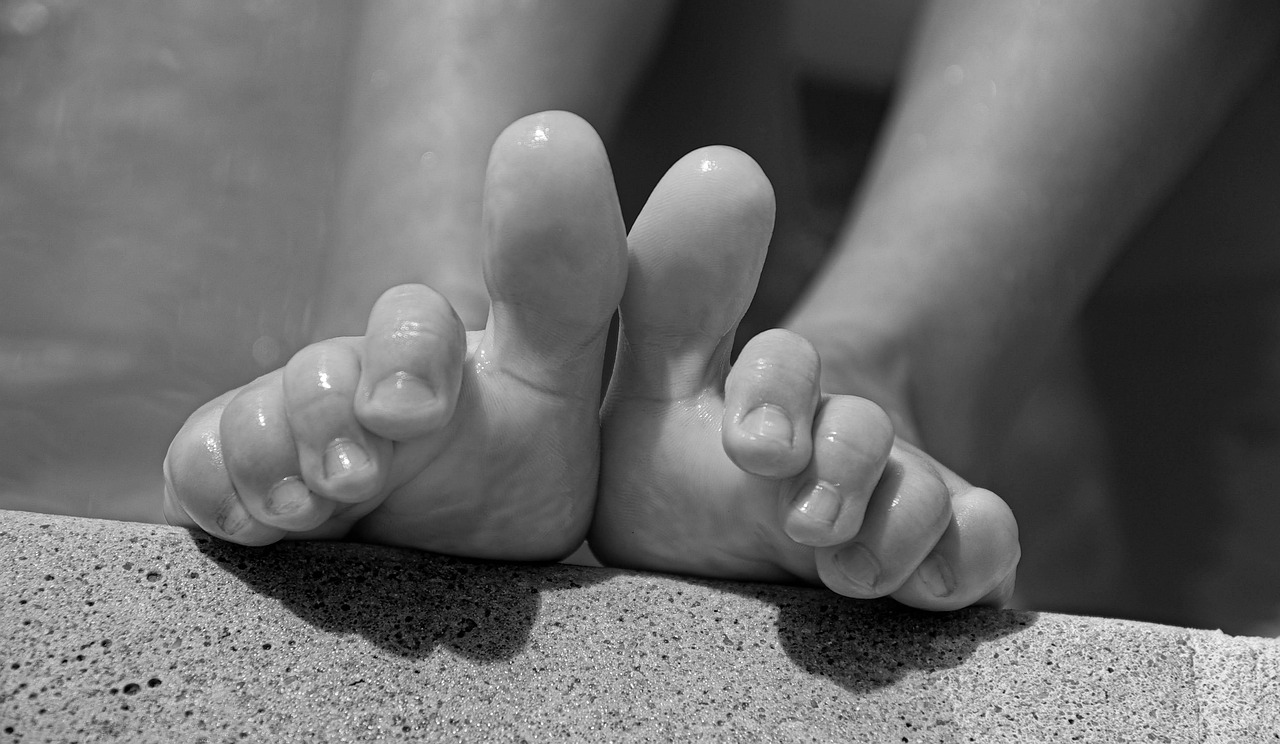
An itch between the toes that gets worse when you take your shoes off in the evening. White, soggy, peeling skin that sometimes cracks and stings. Athlete’s foot (pair ki fungus, or pairon mein khujli) is one of the most common skin infections in the world, and in Pakistan’s hot, humid summers, and tight closed shoes, it thrives.
This guide explains what causes athlete’s foot, how to recognise it, how to treat it so that it actually stays away, and who needs to be more careful.
What is athlete’s foot?
Athlete’s foot (tinea pedis) is a fungal infection of the skin of the feet. The same fungi cause ringworm and jock itch. They feed on keratin, the protein in the outer skin, and love warm, damp places such as the spaces between the toes. You do not have to be an athlete to get it.
How do you catch it?
- Walking barefoot on damp floors in bathrooms, mosque ablution areas, swimming pools, gyms and hostels.
- Sharing towels, socks, shoes or slippers.
- Wearing tight, non-breathing shoes and nylon socks for long hours.
- Sweaty feet, and feet that stay wet after washing.
- Small cuts or cracks in the skin.
- Living with someone who has it. It spreads easily in families.
Signs and symptoms
- Between the toes (the most common type): itchy, red, scaly, white and soggy skin, sometimes with cracks and a bad smell. The gap between the fourth and fifth toes is the usual place.
- Moccasin type: dry, scaly, thickened skin on the sole and sides of the foot, which can be mistaken for dry skin or cracked heels.
- Blister type: small, itchy blisters on the arch or sole.
- Burning or stinging, especially after removing shoes.
- The infection can spread to the toenails and the hands.
Dry, rough heels are not always fungal. If you only have rough cracked skin and no itch between the toes, see our guide to cracked heels.
How to treat athlete’s foot
Antifungal creams usually clear mild athlete’s foot in two to four weeks. The key is to keep going.
- Wash and dry your feet well, especially between the toes, once or twice a day.
- Apply the antifungal product to the affected area and a little beyond its edge, as the pack directs.
- Continue for one to two weeks after the skin looks normal. Stopping early is the main reason it returns.
- Change socks daily, and wash them in hot water.
- Treat your shoes: air them, dry them in the sun, and use an antifungal powder if you need it.
Products at Khasmart include creams that contain terbinafine, such as Terbister Cream and Terb C Cream (see the terbinafine page), and general antifungal products such as AF Cream, Dermasporin Cream and Whitfield DS Ointment. AFS Soap can be used for washing. You can read about the clotrimazole and miconazole groups of antifungals as well. See the full fungal infections category.
Avoid steroid creams on their own. They may calm the itch for a while but let the fungus spread, and can make the infection harder to treat. If a doctor has prescribed a combination cream, use it exactly as advised.
Stopping it from returning
- Dry between your toes after every wash, and after wudu. Use a clean towel just for your feet.
- Wear cotton or moisture-wicking socks, and change them when they are damp.
- Alternate your shoes, so each pair dries for a day.
- Use sandals or flip-flops in public showers, pools and hostels.
- Do not share towels, shoes or nail clippers.
- Treat everyone in the family who has symptoms at the same time.
- Keep toenails short and clean.
People who need extra care
- Diabetes: fungal infections between the toes can open the skin and let bacteria in, which leads to serious foot infections. See a doctor early, and read our guide to diabetes in Pakistan.
- Poor circulation or a weak immune system.
- Elderly people and those who cannot see their feet well.
When to see a doctor
- No improvement after two weeks of treatment, or no cure after four weeks.
- The skin is red, swollen, hot, weeping or has pus, or you have a fever. This may be bacterial infection.
- The nails are thick, yellow or crumbling. Nail fungus needs longer treatment, sometimes with tablets.
- The infection keeps coming back.
- You have diabetes or poor circulation.
- You are not sure it is athlete’s foot. Eczema, psoriasis and contact dermatitis can look the same.
If you notice pale or brown patches on the chest and back, read about tinea versicolor.
Frequently asked questions
Is athlete’s foot contagious?
Yes. It spreads through direct contact and damp shared surfaces.
Can I go to the mosque or gym with athlete’s foot?
Yes, but cover and treat the infection, wear clean socks, and dry your feet well. Avoid walking barefoot on shared wet floors.
Will vinegar or salt water cure it?
They may dry the skin, but they do not reliably kill the fungus, and they sting cracks. A proper antifungal works better.
How long does it take to clear?
Most cases improve in a week or two, and clear in two to four weeks if treated properly.
Order antifungal care from Khasmart, with delivery across Pakistan.
This article is for general information and is not a substitute for advice from your doctor or pharmacist. It does not include dosage; always follow the directions on the pack or from your doctor.