
Health Guides & Medicine Information
Band Naak ke Drops (Nasal Sprays): Safe Use and Rebound Blockage

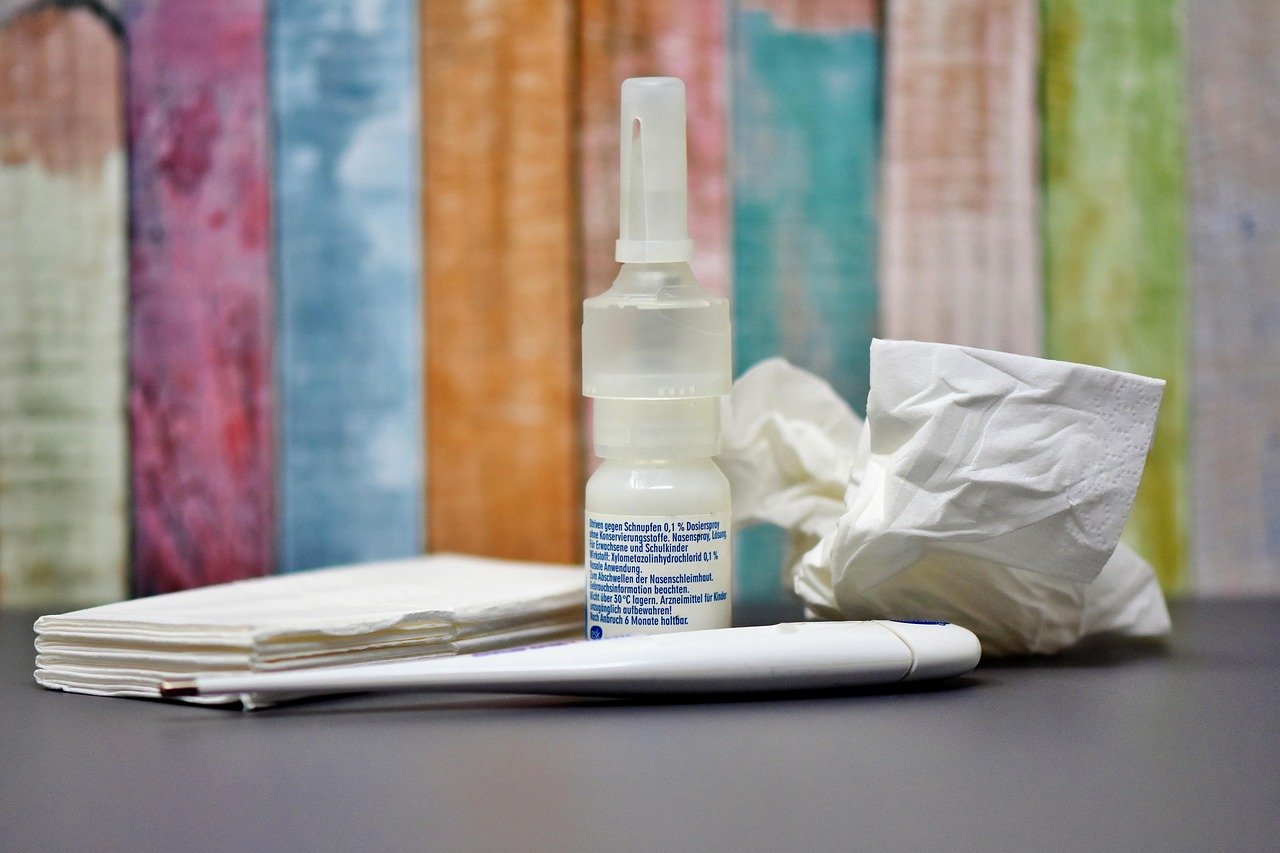
A blocked nose at night is miserable, and one puff of a decongestant spray can feel like magic. The trouble starts when that puff becomes a nightly habit and the band naak returns faster each time. Many adults in Pakistan keep a small bottle under the pillow for months without knowing it may be keeping the blockage going. Here is how the different nose drops work and how to use them safely.
Why does the nose get blocked?
- Colds and flu
- Dust, smog, pollen or pet allergy
- Sinus inflammation
- A bent nasal septum or nasal polyps
- Dry indoor air in winter
- Overuse of decongestant drops
The right product depends on the cause. See our guides on sinusitis and dust allergy.
Types of nasal drops and sprays
Saline (salt water)
Saline loosens mucus and washes out dust without any decongestant medicine, so it does not cause rebound blockage. Norsaline nasal spray is one example. It is often a sensible first step, including during smog season.
Decongestant drops
Xylometazoline, oxymetazoline and naphazoline narrow swollen blood vessels in the nose and open it quickly. Xynosine nasal spray contains xylometazoline. These are meant for short use only, usually just a few days. Follow the limit printed on the pack and the advice of your pharmacist.
Steroid sprays
Sprays such as fluticasone, available for example as Flixonase nasal spray, calm inflammation from allergy and some sinus conditions. They do not work instantly and need regular use as advised. Nosebleeds, dryness or irritation can occur. Children and long term users should be reviewed by a doctor.
Combination sprays
Some products mix a steroid with a decongestant. Because of the decongestant part, they are not suitable for casual long term use. Read the ingredients or ask before buying.
What is rebound congestion?
When a decongestant is used day after day, the blood vessels respond less to it. As the effect wears off, the lining swells again, sometimes worse than before. You use another puff, and the cycle continues. Doctors call this rhinitis medicamentosa. Typical clues are needing the bottle more often, carrying it everywhere and being unable to sleep without it.
How to break the habit
- See a doctor, ideally an ENT specialist, and be honest about how long you have used it.
- A steroid spray is often prescribed to settle swelling while the decongestant is withdrawn.
- Some doctors advise stopping in one nostril first, then the other.
- Use saline for dryness and comfort.
- Raise your head slightly at night and treat any allergy.
Expect a few uncomfortable days or longer while the lining recovers. Do not switch to another decongestant brand, since the problem will simply continue. Swallowed decongestant tablets are not a safe replacement without advice either.
Who should ask before using decongestants?
- People with high blood pressure or heart disease. Read about blood pressure control.
- Those with diabetes, thyroid disease, glaucoma or an enlarged prostate
- Anyone taking certain antidepressants, especially MAO inhibitors
- Pregnant and breastfeeding women
- Parents of young children. Adult strength drops should never be used for them.
For infants, our guide to a blocked nose in babies explains gentler options.
How to use a nasal spray correctly
- Wash your hands and blow your nose gently.
- Shake the bottle if the label says so, and prime a new pump as instructed.
- Tilt your head slightly forward.
- Place the tip just inside the nostril and aim outward, towards the ear on the same side, away from the middle wall.
- Close the other nostril and breathe in softly while spraying. Do not sniff hard.
- Wipe the tip, replace the cap and never share the bottle.
Using the opposite hand for each nostril makes the outward aim easier. Note the opening date and discard the bottle as the pack advises.
Comfort measures without decongestants
- Drink enough fluids and take warm soups.
- Wash bedding often and reduce indoor dust and smoke.
- Wear a mask outdoors on high smog days.
- If you try steam, follow our safe steam inhalation guide to avoid scalds.
- For sneezing and itching, learn about antihistamines.
See a doctor if
- Blockage lasts more than about ten days or keeps coming back
- Only one side is always blocked, or there is bloody or foul discharge from one side
- You have high fever, severe facial pain or swelling around the eyes
- Nosebleeds are heavy or frequent
- Smell is lost for a long period
Swelling around the eye, vision change, severe headache with a stiff neck or breathing distress needs emergency care.
What to ask your pharmacist
- Does this bottle contain a decongestant, a steroid or only saline?
- How long may I use it?
- Is it safe with my blood pressure or other medicines?
You can browse cold and congestion products and allergy care, or upload a prescription for prescription sprays.
Frequently asked questions
Can I use saline every day?
Plain saline is generally suitable for regular use. Keep the nozzle clean, and if you prepare a rinse at home, use only sterile or previously boiled and cooled water.
Are steroid sprays habit forming?
They do not cause the rebound cycle seen with decongestants. Still, use them under medical guidance.
Why does my band naak get worse at night?
Lying down increases swelling inside the nose, and bedroom dust adds to it.
Can nose drops cure a cold?
No. They only ease symptoms while the body clears the infection, and antibiotics do not work on the common cold.
Disclaimer: This article is for general information and does not replace advice from a doctor or pharmacist. Please consult a qualified professional before using or stopping any medicine.