
Health Guides & Medicine Information
Bedsores (Pressure Sores): How to Prevent Them in Elderly Care at Home

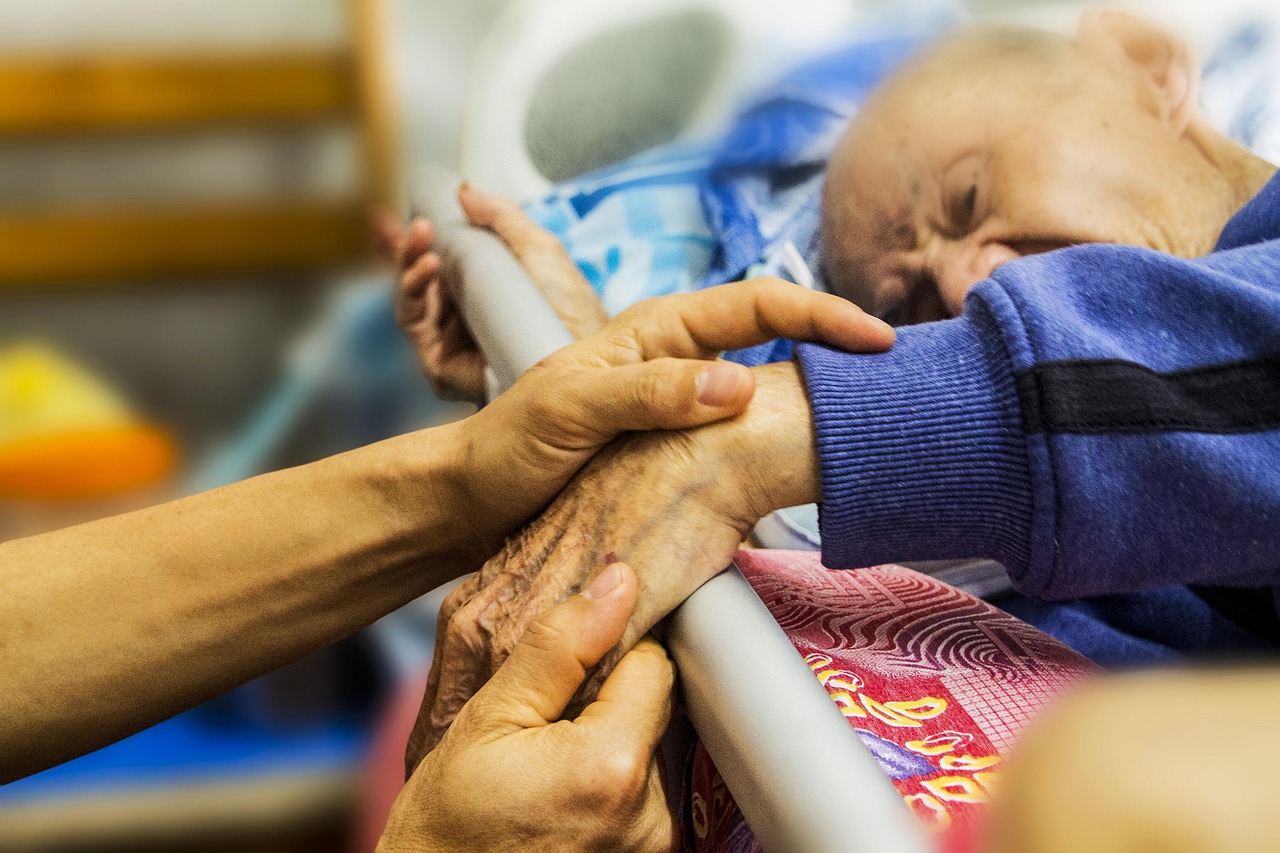
When an elderly parent or grandparent spends most of the day in bed or a chair after an illness, a fracture or a stroke, a small red patch on the tailbone or heel can seem like nothing. But within days it can open into a painful sore that takes months to heal. Bedsores (pressure sores, or pressure ulcers) are one of the most preventable problems in home nursing, and one of the most painful when they are missed.
This guide explains what causes bedsores, how to spot them early, how to prevent them with simple daily care, and what supplies make elderly care at home easier.
What is a bedsore?
A bedsore is damage to the skin and the tissue under it, caused by pressure that cuts off blood flow for too long. It appears over bony areas such as the tailbone, hips, heels, ankles, elbows, shoulder blades and the back of the head. Moisture, friction and poor nutrition make the skin break down faster.
Who is at risk?
- People who cannot move or change position on their own, in bed or in a wheelchair.
- Elderly people with thin, fragile skin.
- People with diabetes, poor circulation, or loss of feeling in their legs. See our guide to diabetes in Pakistan.
- Those who are underweight, poorly nourished or dehydrated.
- People with incontinence, because urine and stool keep the skin wet.
- Patients recovering from stroke, spinal injury, surgery or serious illness.
Stages and warning signs
- Stage 1: the skin is red and does not turn pale when you press it. It may feel warm, firm or sore. This is the time to act.
- Stage 2: a blister or a shallow open sore, with pain.
- Stage 3: a deep crater that reaches the fat under the skin.
- Stage 4: a very deep wound that exposes muscle or bone. This needs urgent medical care.
On darker skin, redness can be hard to see. Look for changes in colour, warmth, swelling and hard areas compared with the skin around them.
Daily care to prevent bedsores
- Change position often. A person in bed needs to be turned at least every two hours, including at night. A person in a chair should shift weight every fifteen to thirty minutes if they can.
- Check the skin every day, especially the tailbone, hips, heels, ankles and elbows. Use a mirror or a torch if needed.
- Keep the skin clean and dry. Wash gently with mild soap and lukewarm water, pat dry without rubbing, and change wet bedding straight away.
- Manage incontinence. Change adult diapers as soon as they are wet or soiled, and clean the skin well each time.
- Protect the skin. A thin layer of barrier cream such as Zinc Oxide Paste on intact skin helps guard against moisture. Do not put it on open sores without medical advice.
- Use pillows between the knees and ankles, and under the calves so that the heels float off the mattress.
- Keep sheets smooth. Wrinkles and crumbs press into the skin. Cotton sheets breathe better than synthetic ones.
- Avoid massaging red areas. It can damage fragile tissue. Gently relieve pressure by repositioning.
- Raise the head of the bed only as much as needed, since sliding down causes friction. Lift, do not drag, when moving a person.
- Feed and hydrate well. Protein, calories, vitamins and fluids help skin stay strong and heal. Ask a doctor about nutrition if the person is eating very little.
Supplies that make home care easier
- Adult diapers keep skin dry and protect bedding. Options include Comtex Adult Diaper Medium, Comtex Adult Diaper Large and Dadu Adult Diaper. Measure the waist to choose the right size, because a loose fit leaks and a tight one rubs. Browse our adult diapers range.
- Mobility aids help people who can still move to stay active. A folding walker or a walking stick with seat supports balance and rest stops.
- A commode stool such as the Ky Commode Stool makes toileting safer for those who find it hard to walk to the bathroom.
Find more in our devices and surgical category. If your family member needs a pressure-relieving mattress or hospital bed, ask your doctor or physiotherapist which type suits them.
If a sore has started
- Take all pressure off the area right away. Reposition so the person does not lie on it.
- Clean gently with clean water or saline, and do not scrub.
- Cover it with a clean, non-stick dressing. Our Leukomed Dressing is one option, but ask a nurse or doctor which dressing is right for the stage.
- Do not apply home remedies such as toothpaste, powder, turmeric or ghee.
- Do not use hot water bottles or heating pads on the area.
When to see a doctor
- A red area does not fade within a day after pressure is removed.
- There is a blister, an open sore or black or dead tissue.
- Pus, a bad smell, spreading redness, swelling or fever. These suggest infection.
- The person has diabetes or poor circulation and develops any sore.
- The sore does not improve within two weeks of care.
A district nurse or a home-care nurse can teach the family how to turn and clean a bed-bound person safely.
Caring for the carer
Looking after a bed-bound family member is hard physical and emotional work. Share the load with relatives, learn proper lifting techniques, and ask for help from your doctor if you feel overwhelmed. A rested carer gives better care.
Frequently asked questions
How quickly can a bedsore form?
A pressure sore can start within a few hours in a frail person, and can become serious within days.
Are bedsores a sign of poor care?
Not always. They can occur even with good care in very ill people, but regular turning and skin checks greatly lower the risk.
Can bedsores heal at home?
Early ones can. Deeper ones need medical care, and sometimes surgery.
Is an adult diaper safe to use all day?
Yes, if it is changed promptly, the right size is used, and the skin is cleaned and checked at each change.
You can order elderly care supplies from Khasmart, with delivery across Pakistan.
This article is for general information and is not a substitute for advice from your doctor or nurse. It does not include dosage; always follow the directions on the pack or from your doctor.