
Health Guides & Medicine Information
Bronchiolitis (Bachon ki Saans ki Takleef): Warning Signs and Home Care

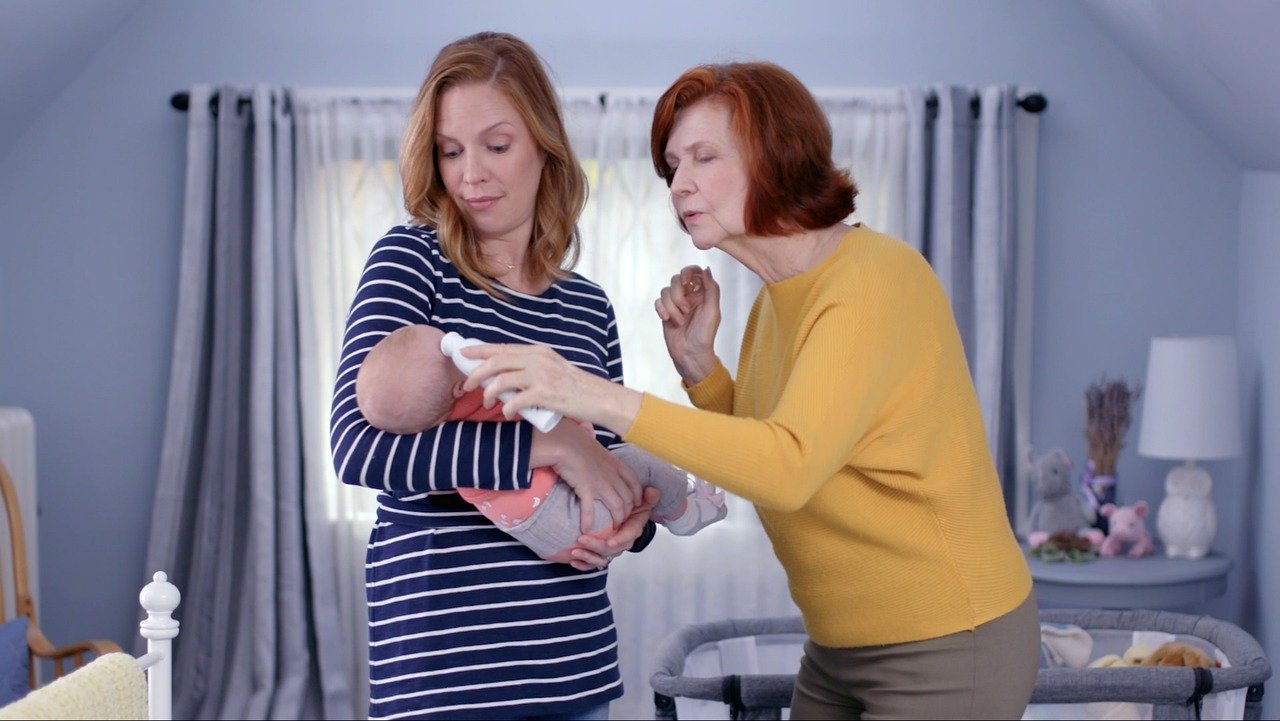
As winter sets in, many parents notice their baby moving from a simple runny nose to cough, noisy breathing and trouble feeding. One common reason is bronchiolitis, which families often describe as bachon ki saans ki takleef. Most babies recover at home, but some need hospital care, so every parent should know the warning signs.
What Is Bronchiolitis?
Bronchiolitis is a viral infection of the smallest breathing tubes in the lungs. These tubes swell and fill with mucus, which makes it harder for air to pass. It mainly affects children under two years, especially those under one. A virus called RSV is a frequent cause, although cold viruses and others can do the same.
The name sounds like bronchitis, but they are not the same illness. It also differs from pneumonia, though a doctor may need to examine the child to tell them apart. Our guide to pneumonia in children describes those signs.
How It Usually Progresses
- It starts like a cold with a blocked or runny nose and mild cough
- Over the next day or two the cough becomes more frequent
- Breathing may turn faster, with a whistling or crackling sound
- Feeds become shorter because the baby cannot suck and breathe comfortably
- Symptoms are often worst around the third to fifth day
After that, breathing slowly improves, while the cough may linger for a few weeks.
Emergency Signs: Go to Hospital Immediately
- Pauses in breathing
- Blue, grey or very pale lips, tongue or skin
- The skin pulling in between or below the ribs with each breath
- Grunting, head bobbing or widely flaring nostrils
- Very fast breathing or clear struggle to breathe
- The baby is floppy, unusually sleepy or hard to wake
See a Doctor the Same Day If
- Your baby is taking about half or less of the usual feeds
- Wet nappies are much fewer than normal, or there has been none for many hours
- A baby under three months has a fever
- Fever is high or keeps returning
- Your child was born early, is very young, or has heart disease, lung disease or weak immunity
- You feel something is seriously wrong, even if you cannot explain it
Safe Home Care
Keep fluids going
Continue breastfeeding and offer smaller feeds more often. For formula fed babies, give smaller amounts at shorter gaps, and always mix the powder exactly as the tin instructs. Do not add extra water.
Clear the nose gently
Saline drops such as Norsaline-P nasal drops before feeds can loosen mucus. Ask your doctor or pharmacist how to use them. Avoid deep or forceful suction. More tips are in blocked nose in babies.
Watch the temperature
A digital thermometer is more reliable than touching the forehead. You can compare models under thermometers. Fever medicine for babies must be chosen according to age and weight, so confirm with a doctor or pharmacist first. Never give aspirin to a child.
Comfort and clean air
- Hold the baby upright while awake, which may make breathing easier
- Put the baby to sleep flat on the back, without pillows or props
- Keep all cigarette smoke, shisha smoke, coal fires and mosquito coil smoke away
- Dress in comfortable layers and avoid overheating
- Check on your baby regularly, including at night
Medicines: What Usually Does Not Help
Many parents expect an antibiotic, but antibiotics do not work against viruses. A doctor prescribes one only if a bacterial infection is also suspected. Cough and cold syrups are not recommended for babies and can cause harm. Routine nebulising and steroid medicines often make little difference in typical bronchiolitis, so use them only if your child’s doctor has examined the baby and advised it. Never use a nebuliser solution left over from another family member.
Avoid steam from a pot or kettle because of the serious burn risk. Do not give honey to a child under one year, and do not use desi mixtures, ghutti or chest rubs without medical advice. Strong rubs can irritate a small baby’s breathing.
In hospital, treatment may include oxygen, help with feeding or fluids, gentle suction and close monitoring.
A Note About Pulse Oximeters
Finger oximeters made for adults often give wrong readings on babies. A normal looking number should never delay a hospital visit when your child is struggling to breathe or feed.
How to Lower the Risk
- Wash hands before touching the baby
- Ask relatives with cough or cold not to kiss the baby
- Clean toys and frequently touched surfaces
- Breastfeed where possible
- Keep the home smoke free
- Keep routine vaccines up to date, as explained in our guide to bachon ke tike
- Ask your child specialist about RSV protection for high risk infants and what is available locally
Adults can help by managing their own infections carefully. See flu season in Pakistan.
Questions to Ask the Doctor
- How should I count or judge my baby’s breathing?
- How much feeding is enough while the baby is ill?
- Which signs mean we should come back at once?
- Is every medicine on this slip needed?
If medicines are prescribed, you can order them through our upload prescription page.
Frequently Asked Questions
Is bronchiolitis contagious?
The viruses spread through coughs, sneezes, hands and surfaces. Keep a sick child away from other infants where possible.
Can it happen again?
Yes. A child can catch these viruses more than once.
Does it mean my child will have asthma?
Not necessarily. Some children wheeze again later, so discuss repeated episodes with a child specialist.
Should I stop breastfeeding during the illness?
No. Breast milk provides fluid and comfort. Offer it more often.
Disclaimer: This article is for general information only and does not replace medical care. Please consult a qualified child specialist or pharmacist, and go to emergency if your baby has trouble breathing.