
Health Guides & Medicine Information
Pneumonia in Children (Nimonia): Warning Signs, Treatment and Home Care

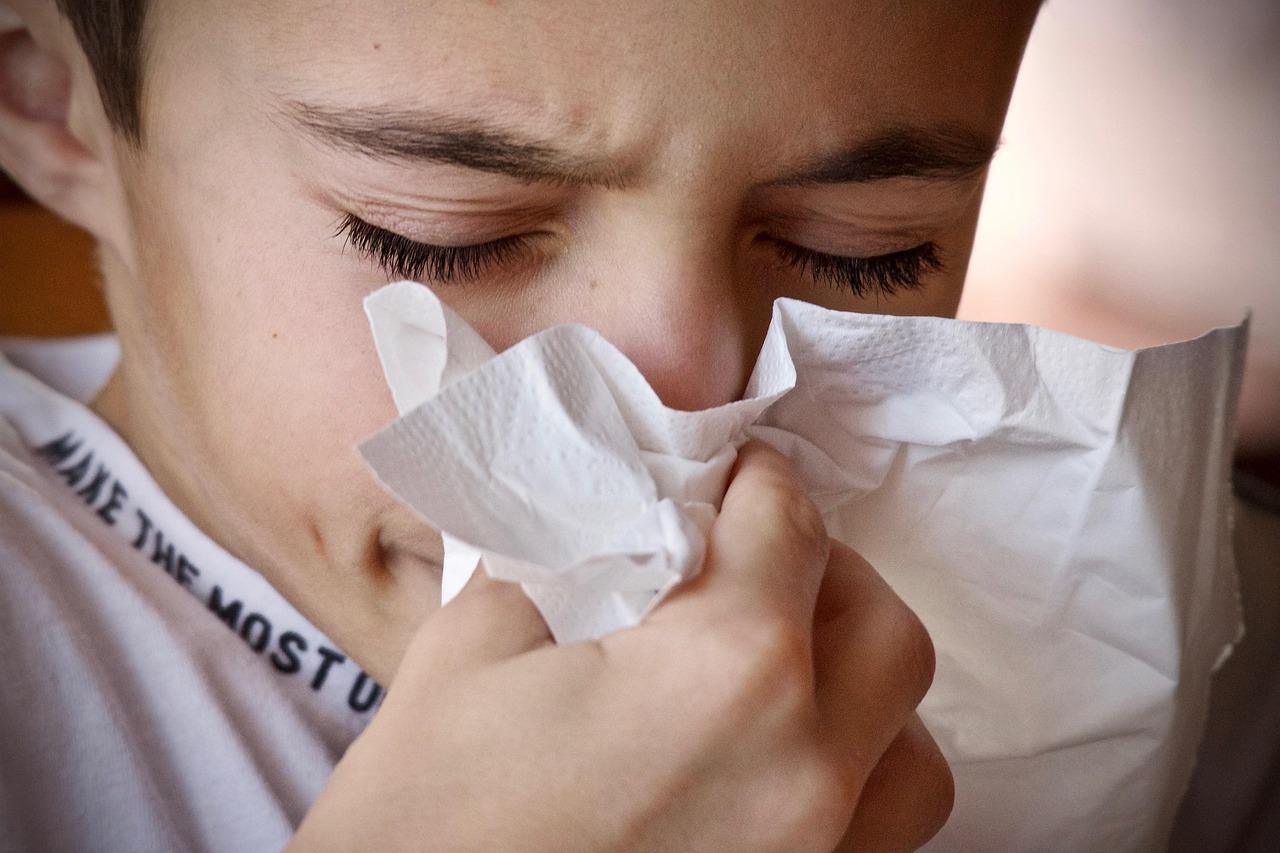
Every winter, hospitals in Pakistan fill with small children who started with a cough and a runny nose and ended up struggling to breathe. Pneumonia (nimonia, seene ka infection) is one of the leading causes of death in children under five worldwide, yet most cases are treatable if they are recognised early. The key is knowing the difference between an ordinary cold and a chest infection.
This guide explains how to spot pneumonia in a child, the danger signs that mean go to hospital now, how doctors treat it, what you can safely do at home, and how to lower the risk.
What is pneumonia?
Pneumonia is an infection of the lungs. The tiny air sacs fill with fluid or pus, which makes it hard for oxygen to pass into the blood. It can be caused by bacteria, viruses or, less often, other germs. Viral pneumonia is common and usually does not need antibiotics, while bacterial pneumonia does, and only a doctor can tell which is likely.
How it differs from a cold
A cold stays mostly in the nose and throat. Pneumonia affects breathing itself. A child with a cold is usually still playful and feeding. A child with pneumonia looks tired, breathes faster, and may stop eating or drinking.
Symptoms to watch for
- Cough that is getting worse, sometimes with phlegm.
- Fever, though some babies have little or no fever.
- Fast breathing, noticed even when the child is calm or asleep.
- The chest or ribs pulling in with each breath, or the belly moving a lot.
- Grunting, noisy breathing or flaring nostrils.
- Poor feeding, vomiting, unusual sleepiness or irritability.
How to count the breathing rate
Count the breaths for a full minute while the child is calm, ideally asleep or resting, and not crying. Breathing is considered fast when it is 60 or more per minute in babies under two months, 50 or more between two and twelve months, and 40 or more from one to five years. Fast breathing with cough or fever needs a doctor the same day.
Danger signs: go to hospital immediately
- Blue or grey colour of the lips, tongue or face.
- Chest pulling in deeply, or the child cannot speak, cry or feed because of breathing trouble.
- A baby under two months with any fast breathing or fever.
- Child is very sleepy, hard to wake, limp or having a fit.
- Refuses all fluids, or keeps vomiting everything.
How doctors diagnose and treat it
The doctor listens to the chest, checks the breathing rate and oxygen level, and may advise a chest X-ray or blood tests. Treatment depends on the cause and severity. Bacterial pneumonia is treated with an antibiotic chosen and measured by the doctor for the child’s age and weight. Severe cases need hospital admission, oxygen and drips. Read our guide on how to take antibiotics safely and make sure the full course is finished, even when the child looks better. You can see the range in our bacterial infections category, and prescription medicines can be ordered through the upload prescription page.
Caring for the child at home
- Fluids first: offer breast milk, formula, water, soups or ORS in small, frequent sips.
- Keep the child upright or propped up, which makes breathing easier.
- Treat fever for comfort only as advised by your doctor. Our guide to fever in children explains when to worry, and the fever category lists the options.
- Do not give cough syrups to small children unless the doctor prescribes them. Our guide to dry cough vs wet cough explains why coughing sometimes helps clear the chest.
- Avoid honey in babies under one year, and avoid herbal rubs on the face of babies.
- Smoke free room: no cigarettes, hookah or coal fires in the room.
Useful tools at home
A digital thermometer helps you track fever. See our thermometers range and the guide to the best digital thermometer in Pakistan. A pulse oximeter, such as the Believia pulse oximeter, can give an extra clue, but readings in small children, cold fingers or a restless child can be unreliable, so never use it to decide that a child with fast breathing is fine. More in pulse oximeters and the best pulse oximeter guide. If your doctor has advised a nebulizer, our nebulizers and inhalers category and the best nebulizer guide will help.
Preventing pneumonia
- Vaccines: the pneumococcal and Hib vaccines in the routine schedule, along with measles and whooping cough vaccines, protect strongly. See vaccines in Pakistan.
- Breastfeeding for the first six months.
- Hand washing and keeping children away from people with coughs.
- Clean indoor air: good ventilation and less smoke, especially in smog season.
- Good nutrition and treating anaemia and malnutrition.
Frequently asked questions
Is pneumonia contagious?
The germs that cause it can spread through coughs and sneezes, but not everyone exposed will develop pneumonia. Hand washing and covering coughs help.
Does my child always need antibiotics?
No. Viral pneumonia does not respond to antibiotics. The doctor decides after examining the child, so do not start leftover antibiotics at home.
How long does recovery take?
Fever often settles in a few days with treatment, but the cough may last for weeks. Keep follow up visits, and return early if the child worsens.
Can a child get pneumonia again?
Yes. Repeated pneumonia needs a proper check for asthma, immunity problems or other causes, so tell your doctor.
Khasmart delivers medicines and baby health devices across Pakistan, and our pharmacists can guide you to the right product.
This article is for general information and is not a substitute for advice from your child’s doctor or paediatrician. It does not give doses; the doctor decides the medicine and amount by the child’s age and weight. If your child has trouble breathing, go to the nearest hospital immediately.