

Health Guides & Medicine Information
Typhoid Fever in Pakistan: Symptoms, XDR Typhoid and Safe Treatment


Typhoid is not the illness it was twenty years ago. For decades it was treated as a routine fever — a week of injections, some rest, done. In Pakistan that is no longer true, and the reason starts here: the world’s first outbreak of extensively drug-resistant typhoid began in Sindh in 2016, and the country has been living with it since.
Typhoid cases rise after the monsoon, when flooding pushes sewage into drinking water lines. If someone in your home has had a fever for more than three days that is not breaking, this guide covers what to look for, which test to insist on, and when a fever stops being something you manage at home.
This article is for general awareness only. It is not a diagnosis and not a prescription. Typhoid needs a qualified doctor and, in most cases, a laboratory test. Never start antibiotics on your own.

What typhoid fever actually is
Typhoid — also called enteric fever — is caused by a bacterium, Salmonella Typhi. Unlike dengue, no mosquito is involved. It travels the plain way: through water and food contaminated with traces of human waste.
That is why typhoid tracks so closely with broken water infrastructure. A supply line leaking beside a sewage drain, an underground tank that has not been cleaned in years, a roadside glass of juice made with unfiltered water, salad rinsed under a tap — each is a realistic route. One infected person handling food without washing their hands can pass it to an entire household.
Pakistan carries one of the heaviest typhoid burdens in the world, with an annual incidence estimated at roughly 493 cases per 100,000 people. Children are affected the most.
Typhoid symptoms: the fever pattern that gives it away

Symptoms usually begin one to two weeks after the bacteria is swallowed. That gap is longer than most people expect, which is why families often cannot link the illness to anything they ate.
The signature of typhoid is not how high the fever goes but its shape. It rises in a step-ladder pattern — a little higher each day, worse in the evening, never fully settling in between. Dengue spikes hard and fast. Typhoid climbs.
Along with the fever, look for:
- A temperature that keeps rising day after day and peaks in the evening
- Persistent headache, usually across the forehead
- Complete loss of appetite and marked weakness
- Stomach pain, often around the middle or lower right abdomen
- Constipation in adults; loose stools are more common in small children
- A dry cough that gets mistaken for a chest infection
- A thickly coated tongue with clean red edges
- Occasionally, faint rose-coloured spots on the chest or abdomen
Left untreated, the illness deepens through the second week: the fever plateaus high, the person becomes withdrawn and exhausted, and appetite disappears entirely. This is the stage where complications begin.
Typhoid, dengue or malaria? Telling them apart
From August through October all three circulate in Pakistan at the same time, and all three begin as “a fever.” Some rough distinctions:
| Sign | Typhoid | Dengue | Malaria |
|---|---|---|---|
| Fever pattern | Rises step by step, worse in the evening | Sudden and very high from day one | Comes and goes in cycles |
| Chills / rigors | Uncommon | Uncommon | Classic shaking chills |
| Body pain | Mild aching, heavy weakness | Severe bone and joint pain | Muscle aches with sweating |
| Stomach | Pain, constipation, no appetite | Nausea, vomiting | Sometimes vomiting |
| Rash | Faint rose spots, rare | Common, often widespread | Rare |
| Spreads by | Contaminated water and food | Aedes mosquito, bites in daylight | Anopheles mosquito, bites at night |
This table is a guide, not a diagnosis. It is entirely possible to have two of these at once, and only a laboratory test can separate them with confidence. If you want the dengue side in detail, read our guide to dengue symptoms and warning signs. If the patient is a child, our guide on when a child fever needs a doctor covers the warning signs specific to young children.
XDR typhoid: why the old treatment stopped working
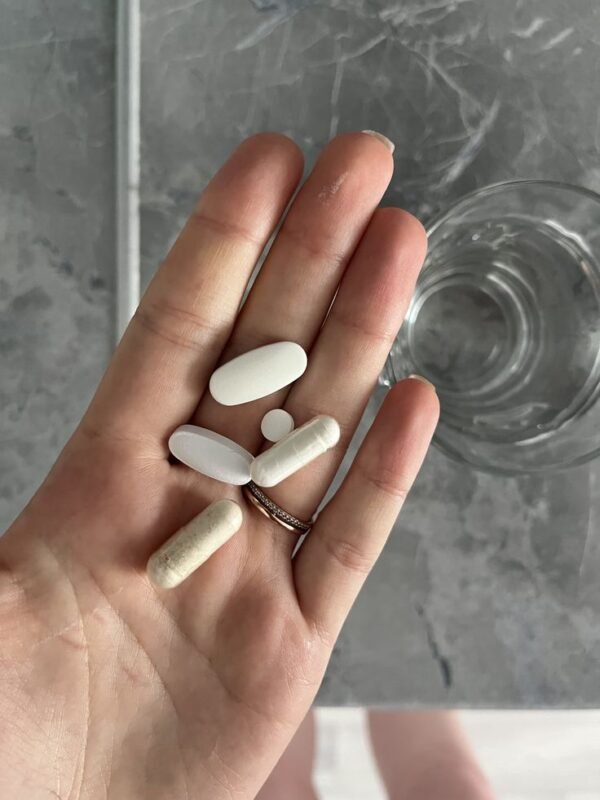
In late 2016, Hyderabad in Sindh began reporting typhoid cases that simply did not respond to standard treatment. That was the world’s first recorded outbreak of extensively drug-resistant (XDR) typhoid.
XDR strains resist the first-line drugs used for decades — ampicillin, chloramphenicol and co-trimoxazole — and they also resist the fluoroquinolones and third-generation cephalosporins such as ceftriaxone that doctors moved to when the first line failed. Only a narrow set of options remains reliably effective: azithromycin taken by mouth, and carbapenems or tigecycline given in hospital.
Between 2016 and 2020, around 22,571 typhoid cases were recorded across Pakistan, and close to 70% of them were XDR. Children under five were the group hit hardest.
The practical meaning for your family is uncomfortable but simple: the injection course that cured your father’s typhoid may do nothing at all for your child’s. Assuming it will costs a week, and typhoid becomes dangerous in the second and third week.
The test to insist on
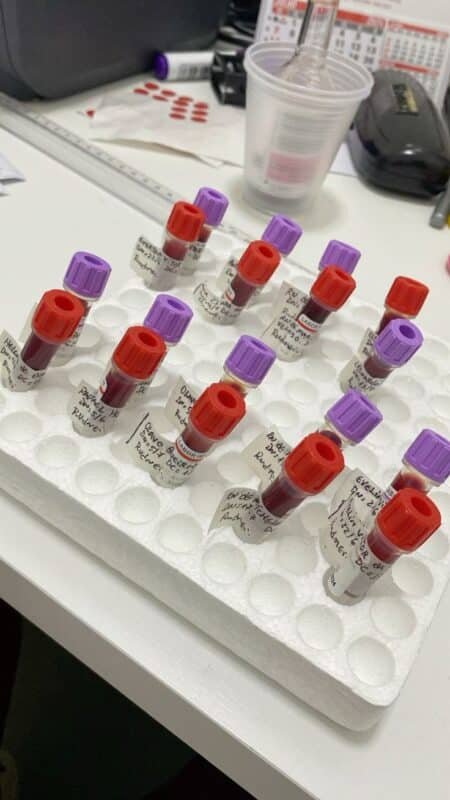
Most patients in Pakistan are handed a Typhidot or Widal test. Both are cheap and quick, and both are unreliable. Widal in particular returns positives in people who had typhoid years earlier or were vaccinated, while missing genuine early infections.
The test that matters is a blood culture. It takes longer, usually two to five days, but it does two things no rapid test can: it confirms the bacteria is actually present, and it reports which antibiotics that specific strain still responds to. In a country living with XDR typhoid, that second part is the entire point.
Where possible, get the blood culture drawn before antibiotics are started. Once antibiotics are in the bloodstream, cultures frequently come back falsely negative and the chance to identify the strain is lost.
Treatment: what helps, and what makes it worse
The choice of antibiotic belongs to a doctor, guided by the culture report. What families control is everything around it — and that part matters more than most people assume.
Do:
- Keep fluids going constantly. Water, ORS, lassi, soup, fresh juice. Fever plus no appetite dehydrates a patient quickly.
- Use paracetamol for fever and aches, at the dose your doctor specifies.
- Offer soft, plain, easily digested food in small amounts through the day rather than full meals.
- Enforce genuine rest for the whole illness, not only until the fever drops.
- Finish the complete prescribed course, even after the person feels normal again.
Avoid:
- Buying antibiotics over the counter without a prescription. Every guessed, partial course helps resistant strains survive — this is a large part of how XDR typhoid came about in the first place.
- Stopping treatment the moment the fever breaks. Typhoid relapses, and a half-treated infection is a resistant one in the making.
- Sharing leftover antibiotics between family members.
- Heavy, oily or spicy food while the gut is still inflamed.
When to go to hospital immediately
Typhoid’s serious complications usually appear in the third week, and they arrive fast. Go straight to an emergency department if you see:
- Severe or sharply worsening abdominal pain
- Vomiting blood, or black tarry stools
- Confusion, extreme drowsiness, or difficulty rousing the person
- A stomach that is rigid or painful to the lightest touch
- Fever continuing beyond a week despite treatment
- Inability to keep fluids down, or no urine passed for many hours
Intestinal perforation and internal bleeding are the two complications that make typhoid fatal, and both are surgical emergencies. Neither waits.
Prevention that actually works

Water
- Bring drinking water to a rolling boil for a full minute, or use a filter you actually maintain. A filter with an exhausted cartridge is worse than no filter, because it feels safe.
- Have underground and overhead tanks cleaned properly, not rinsed. Most homes go years between cleanings.
- Remember that ice is water. Ice from outside carries the same risk as the water it was made from.
After flooding the risks widen well beyond typhoid, and they arrive on different schedules. We cover that in waterborne diseases after monsoon floods.
Food
- Skip uncooked salads and pre-cut fruit sold outside — both are washed in whatever water was available.
- Eat food hot and freshly cooked. Bacteria multiply in food that has sat out.
- Wash hands with soap for twenty seconds before handling food and after using the toilet.
- Peel fruit yourself rather than buying it peeled.
Vaccination

In 2019, in direct response to the XDR outbreak, Pakistan became the first country in the world to add the typhoid conjugate vaccine (TCV) to its routine Expanded Programme on Immunization. More than 30 million children have received it since.
The evidence behind it is strong. Studies conducted in Hyderabad and Karachi — the districts worst affected by XDR typhoid — found a single dose to be highly effective against culture-confirmed infection in children.
TCV is given free at government EPI centres as part of the childhood schedule. If your child missed it, an EPI centre or your paediatrician can advise on catching up. Adults are not covered by the routine programme; if you travel frequently or live in a high-risk area, discuss vaccination with your doctor.
Worth keeping at home
None of this replaces medical care, but having the basics ready means you are monitoring a fever from the first day instead of the third:
- A digital thermometer — and the habit of recording readings at fixed times, so you can see the pattern rather than a single number
- ORS sachets, which do more for a typhoid patient than most people credit
- Paracetamol, kept within its expiry date
- Soap and hand sanitiser at every basin
- A working water filter, with a cartridge you actually replace on schedule
If a doctor has prescribed treatment, you can upload your prescription and have it filled and delivered rather than making the trip while caring for a patient at home.
Frequently asked questions
Can typhoid return after treatment?
Yes. Relapse happens in a proportion of patients, usually within a few weeks of recovery, and it is more likely when a course was stopped early. A returning fever after typhoid should always be shown to a doctor.
Is typhoid contagious from person to person?
Not through the air or casual contact. It spreads when the bacteria from an infected person’s stool reaches someone else’s mouth — usually via unwashed hands and shared food. Some people continue carrying and shedding the bacteria after they feel completely well, which is how quiet household outbreaks happen.
How long does recovery take?
Fever generally settles within three to five days of the right antibiotic, but full recovery of strength and appetite commonly takes two to four weeks. Returning to normal activity too early is a frequent cause of setbacks.
Can a typhoid patient eat normal food?
Soft, plain and easily digested food is best while the gut is inflamed — khichri, plain rice, yoghurt, soup, boiled vegetables, bananas. Reintroduce heavier and spicier food gradually once appetite genuinely returns.
Does the typhoid vaccine protect for life?
No vaccine offers permanent protection against typhoid, and none removes the need for safe water and food hygiene. TCV provides strong protection for several years and is the best preventive tool currently available, particularly for children.
The short version
A fever that climbs a little higher each evening and does not break after three days needs a doctor, not a guess. Ask for a blood culture before antibiotics begin. Finish whatever course you are given, completely. Boil or properly filter your drinking water. And if your children have not had TCV, an EPI centre can put that right.
Typhoid is still curable. What has changed in Pakistan is that curing it now depends on getting the diagnosis right the first time.