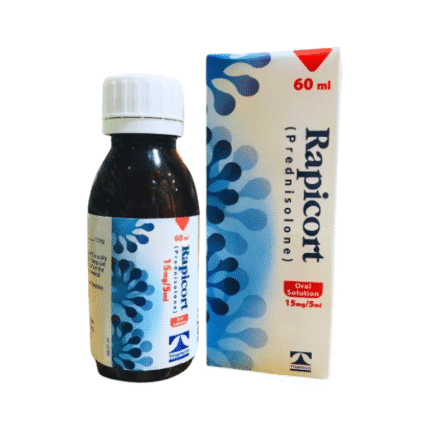
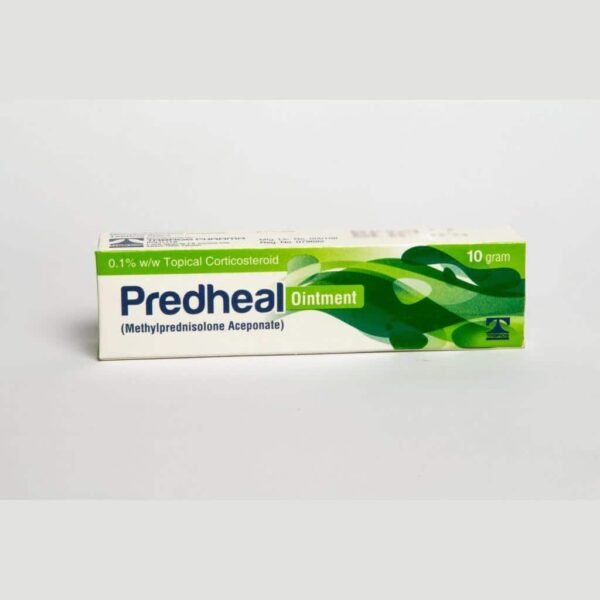
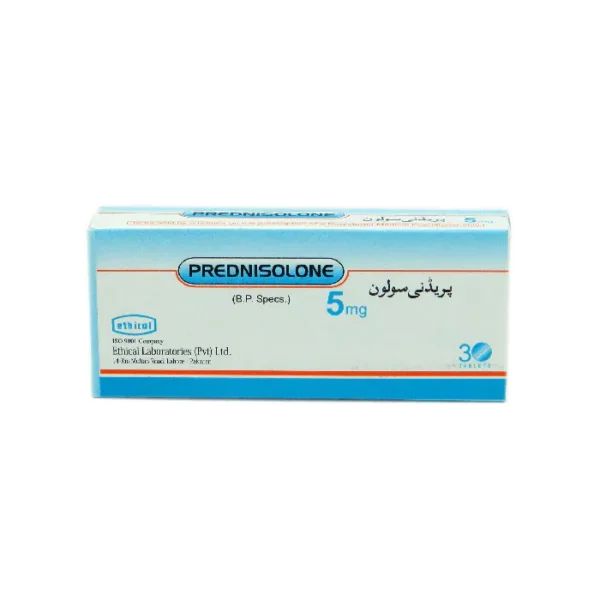
Prednisolone is a corticosteroid that reduces inflammation and calms an overactive immune response. It is used for a wide range of conditions and comes as tablets, syrup and drops.
What Prednisolone Is Used For
Asthma and severe allergies
Inflammatory joint, skin and bowel conditions
Some conditions where the immune system needs calming
Common Side Effects
Increased appetite and weight gain
Difficulty sleeping
Raised blood sugar
Stomach upset
Precautions
Do not stop prednisolone suddenly after more than a few days – the dose is reduced gradually by your doctor. Take it with food, ideally in the morning, and tell any doctor treating you that you are on a steroid. It can raise blood sugar, which matters for people with diabetes.
This page is general information only. It is not a substitute for advice from your doctor or pharmacist, and it does not include dosage. Always follow the directions given to you and read the leaflet inside the pack.
Prednisolone is a synthetic glucocorticoid, a type of steroid hormone, similar to the natural hormone, cortisol, produced by the adrenal gland. It is used to treat a wide range of inflammatory and autoimmune conditions, as well as some cancers.
Benefits:
Prednisolone can be used to reduce inflammation and swelling in conditions such as arthritis, asthma, and skin conditions.
It can also be used to suppress the immune system in conditions such as lupus and multiple sclerosis.
Prednisolone is also used to treat certain cancers, such as leukemia and lymphoma.
It can also be used to treat endocrine disorders, such as Addison’s disease, and to replace the natural hormone cortisol in conditions where the body is not producing enough.
Side Effects:
Prednisolone can cause a range of side effects, including weight gain, acne, changes in mood, and an increased risk of infection.
Long-term use of prednisolone can cause osteoporosis, cataracts, and diabetes.
Prednisolone can also suppress the body’s natural production of cortisol and can cause adrenal suppression, which can be fatal if not recognized and treated.
Prednisolone can also cause high blood pressure, high blood sugar, and an increased risk of heart disease.
It’s important to consult with a healthcare provider before taking prednisolone, as well as to monitor regularly if you are on it for a long term.