

Health Guides & Medicine Information
Insomnia (Neend na Aana) and Sleeping Tablets: Risks and What Works Better

You are tired all day, but when you lie down at night your mind will not switch off. You check the clock, count the hours you still have, and feel more anxious about not sleeping. Insomnia (neend na aana) is among the most common health complaints in Pakistan, and the quickest solution many people try is a sleeping tablet. For some it is a lifeline for a short period, and for others it becomes a trap.
This guide explains what insomnia is, what causes it, how sleeping medicines work and why they carry risks, what actually works better in the long run, and when to see a doctor.
What counts as insomnia?
Insomnia means difficulty falling asleep, staying asleep, or waking too early, at least three nights a week, with daytime effects such as tiredness, poor concentration, irritability or low mood. Short-term insomnia lasts less than three months, often linked to stress. Chronic insomnia lasts longer. Most adults need seven to nine hours, but needs vary.
Common causes
- Stress, worry and anxiety, including money, work and family problems.
- Depression. Early morning waking is typical. Read our guide to depression and anxiety medicines.
- Caffeine: strong chai, coffee, cola and energy drinks, especially after midday.
- Screens and phones at night. Light and content keep the brain alert.
- Irregular routines: shift work, long naps, late-night TV, and changes during Ramadan.
- Noise, heat, light or an uncomfortable bed.
- Medical problems: pain, acid reflux, asthma, thyroid problems, restless legs, heart failure, frequent urination (prostate or diabetes), and sleep apnoea.
- Medicines: some steroids, decongestants, certain blood pressure tablets and some antidepressants.
- Alcohol and nicotine, which disturb deep sleep.
Types of sleeping medicines
These are mostly prescription-only, and they differ in risk.
Benzodiazepines
Medicines such as diazepam, clonazepam, alprazolam and bromazepam (for example Lexotanil) calm the brain and cause drowsiness. They work quickly, but:
- Tolerance develops within weeks, so the same dose stops working.
- Dependence is real. Stopping suddenly after regular use can cause rebound insomnia, anxiety, shaking, sweating and, in severe cases, seizures.
- They cause daytime drowsiness, memory problems and falls, especially in older people, and increase the risk of accidents.
- They are dangerous with alcohol, opioid painkillers, or other sedatives, because breathing can slow.
Z-drugs
Medicines such as zolpidem work like benzodiazepines, with similar risks, including sleepwalking and complex sleep behaviours. They are meant for short courses.
Sedating antidepressants and antipsychotics
Low doses of medicines such as amitriptyline, mirtazapine and trazodone are sometimes used when insomnia comes with depression or pain. Antipsychotics such as quetiapine are not for routine insomnia, and carry significant side effects.
Sedating antihistamines
Some allergy and cold products cause drowsiness. They are not good long-term sleep aids, and can cause a hangover effect, dry mouth and confusion in older adults.
Melatonin
Melatonin is a hormone that regulates the body clock. It is used for jet lag, shift work and some sleep timing problems, and has fewer risks than sedatives, though results vary. Products at Khasmart include Oramel Drops and Oramel Syrup. Ask your doctor before using it, especially in children, pregnant women, and anyone taking other medicines.
See our insomnia and sleep category. For prescription medicines, you can upload your prescription.
Safety rules if you are prescribed a sleeping tablet
- Use it for the shortest time possible, usually a few days to two to four weeks, and at the lowest effective dose.
- Take it only at bedtime, when you can sleep for at least seven to eight hours. Do not drive or operate machinery after taking it.
- Never mix it with alcohol or other sedatives.
- Do not share it, and keep it out of the reach of children.
- Do not stop suddenly after regular use. Ask your doctor for a gradual reduction plan.
- Be extra careful in older adults, who are more prone to falls and confusion.
- Tell your doctor if you are pregnant, breastfeeding, have breathing problems, or sleep apnoea.
What works better in the long run
Cognitive behavioural therapy for insomnia (CBT-I) is the best long-term treatment, and works better than tablets after the first few weeks. Even without a therapist, these habits help:
- Keep a fixed wake-up time, every day, including weekends. This anchors your body clock.
- Use the bed only for sleep. If you cannot sleep after about twenty minutes, get up, go to another room, do something quiet in dim light and go back when sleepy.
- Do not watch the clock.
- Cut caffeine after noon, and limit tea in the evening.
- Get sunlight in the morning, and be active during the day, but avoid vigorous exercise close to bedtime.
- Dim the lights and put away phones an hour before bed.
- Do not nap for long. If you must, keep it below 30 minutes, before mid-afternoon.
- Do not eat a heavy meal late, and avoid large amounts of fluid before bed.
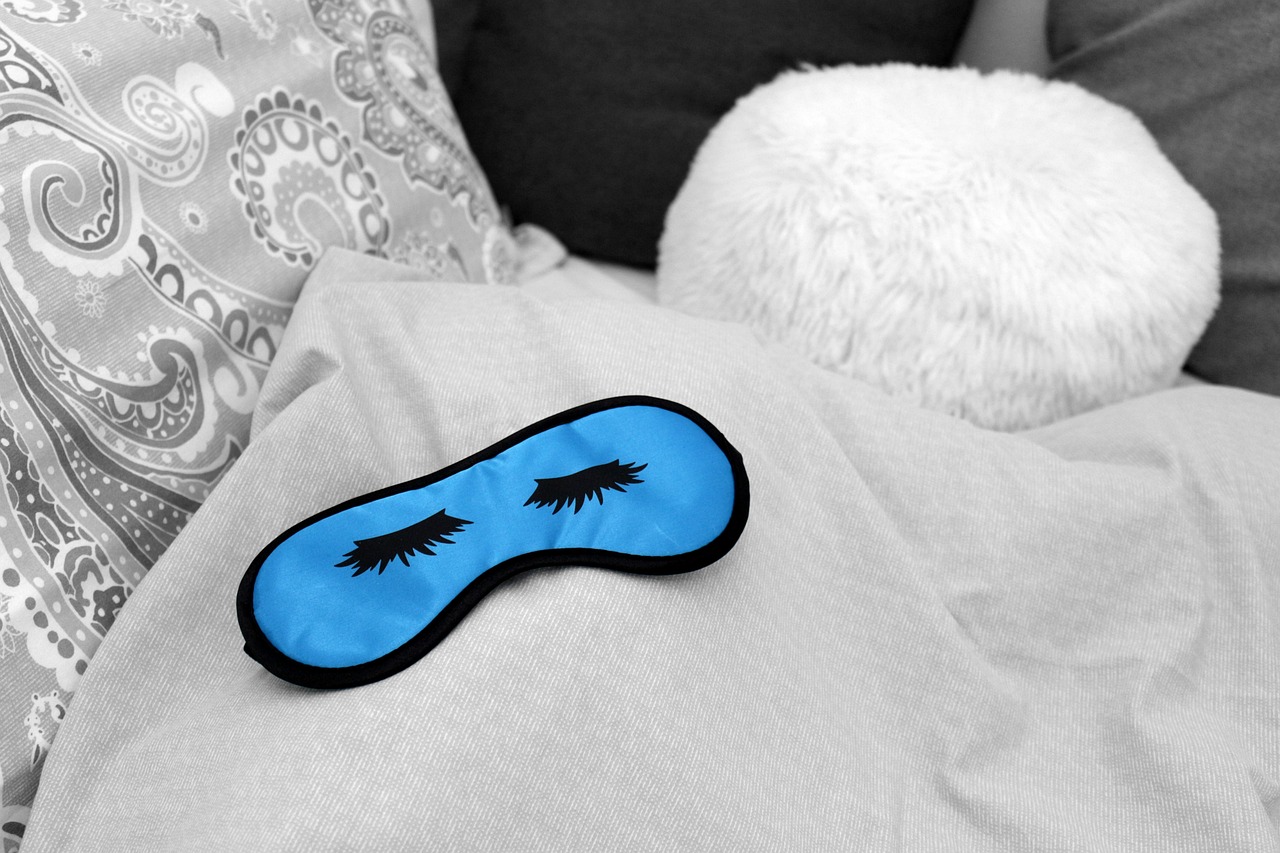
- Keep the room cool, dark and quiet. An eye mask or ear plugs can help.
- Have a wind-down routine: a warm shower, light stretching, reading, or slow breathing.
- Write down your worries earlier in the evening, with a plan for tomorrow, so that they do not follow you to bed.
During Ramadan, try to keep a regular sleep window, with a short nap after Zuhr, light suhoor, and limited caffeine after iftar. Our guide to gas and bloating may help if heavy meals disturb your sleep.
When to see a doctor
- Insomnia lasts more than three weeks, or affects work and mood.
- You snore loudly, stop breathing at night, or wake gasping. This can be sleep apnoea.
- You have an irresistible urge to move your legs at night (restless legs).
- You feel low, hopeless or very anxious.
- You are relying on sleeping tablets or alcohol most nights.
- You fall asleep suddenly during the day, or nearly have accidents when driving.
Frequently asked questions
Are sleeping tablets addictive?
Benzodiazepines and Z-drugs can cause dependence, especially after weeks of nightly use. Melatonin is not considered addictive.
Is it dangerous to take a sleeping tablet every night?
Regular long-term use brings risks of tolerance, memory problems, falls and dependence. It is best only on a doctor’s advice, with regular review.
How many hours of sleep do I need?
Most adults need seven to nine, older adults slightly fewer, and children more. How you feel in the day matters as much as the number.
Can I use herbal teas?
Warm herbal drinks such as chamomile are generally safe and relaxing, though they are not proven to treat insomnia. Check with your doctor if you take other medicines.
Order prescribed sleep medicines and sleep aids from Khasmart, with delivery across Pakistan.
This article is for general information and is not a substitute for advice from your doctor. It does not include doses; your doctor decides the medicine and amount. Always follow the directions on the pack or from your doctor.