
Health Guides & Medicine Information
Insulin Pen Ka Sahi Istemal: Storage, Injection Sites and Common Mistakes

If your doctor has started you on insulin, the first few weeks can feel overwhelming. Which part of the body to use, how to keep the pen, what to do if you forget a dose: these small questions decide how well the medicine works. This guide covers the practical side of the insulin pen in plain language, so you walk into your next clinic visit with better questions.
Disclaimer: This article is for general awareness only. Insulin type, timing and amount are decided by your doctor. Please do not change anything without asking your doctor or pharmacist.
Pen, vial or syringe: what is the difference?
Insulin comes in different forms. A pen has a cartridge inside and a fine needle that you screw on, so it is easy to carry and easy to use for people with weak eyesight or shaky hands. A vial is a small bottle from which insulin is drawn with a syringe. Many families in Pakistan still use vials with a 1cc insulin syringe because they cost less, while pens are chosen for comfort. Both are fine when used correctly. Ask your doctor which one suits your routine and budget.
If you use syringes, always use a fresh one made for insulin, such as the BD 1cc insulin syringe. Insulin is a prescription medicine, so you can send your doctor’s slip through our upload prescription page and our team will help you.
How to store insulin properly
Heat is the biggest enemy of insulin in our climate. Unopened insulin should stay in the fridge, but never in the freezer and never right against the cooling plate. The pen or vial you are currently using can usually stay at room temperature for a limited number of days, and the leaflet inside the box tells you how many. Write the date you started it on the pen with a marker so you do not guess later.
Do not leave insulin in a car, near a window, or beside a stove. During a long journey or a load shedding day, keep it in a small insulated bag. If insulin looks cloudy when it should be clear, has particles, or has changed colour, do not use it.
Where to inject
The common sites are the belly (keeping a little distance from the navel), the front and outer side of the thigh, and the back of the upper arm. The belly absorbs insulin fastest and most evenly, which is why many doctors suggest it for mealtime insulin. Rotate the spot every time, moving your finger width away from the last injection. Using the same spot again and again can cause hard lumps under the skin, and insulin absorbed from a lump is unpredictable, which can make your sugar readings jump around.
Simple steps to follow
Wash your hands, check the label so you have the right insulin, and wipe the top of the cartridge if your doctor has advised it. Attach a new pen needle, do the safety test as shown in the leaflet, dial the amount your doctor gave you, insert the needle, press the button fully, and count slowly before removing it. Throw the needle in a hard plastic bottle, not in the dustbin loose, because it can hurt someone else.
Mistakes people commonly make
Reusing the same pen needle for many days is the most common one. Used needles become blunt, hurt more and can bend inside the skin. Skipping meals after taking mealtime insulin is another, because it can push the sugar too low. Some people also stop insulin on days they feel fine, but insulin is not a medicine to adjust on feeling alone.
Low sugar: know the signs
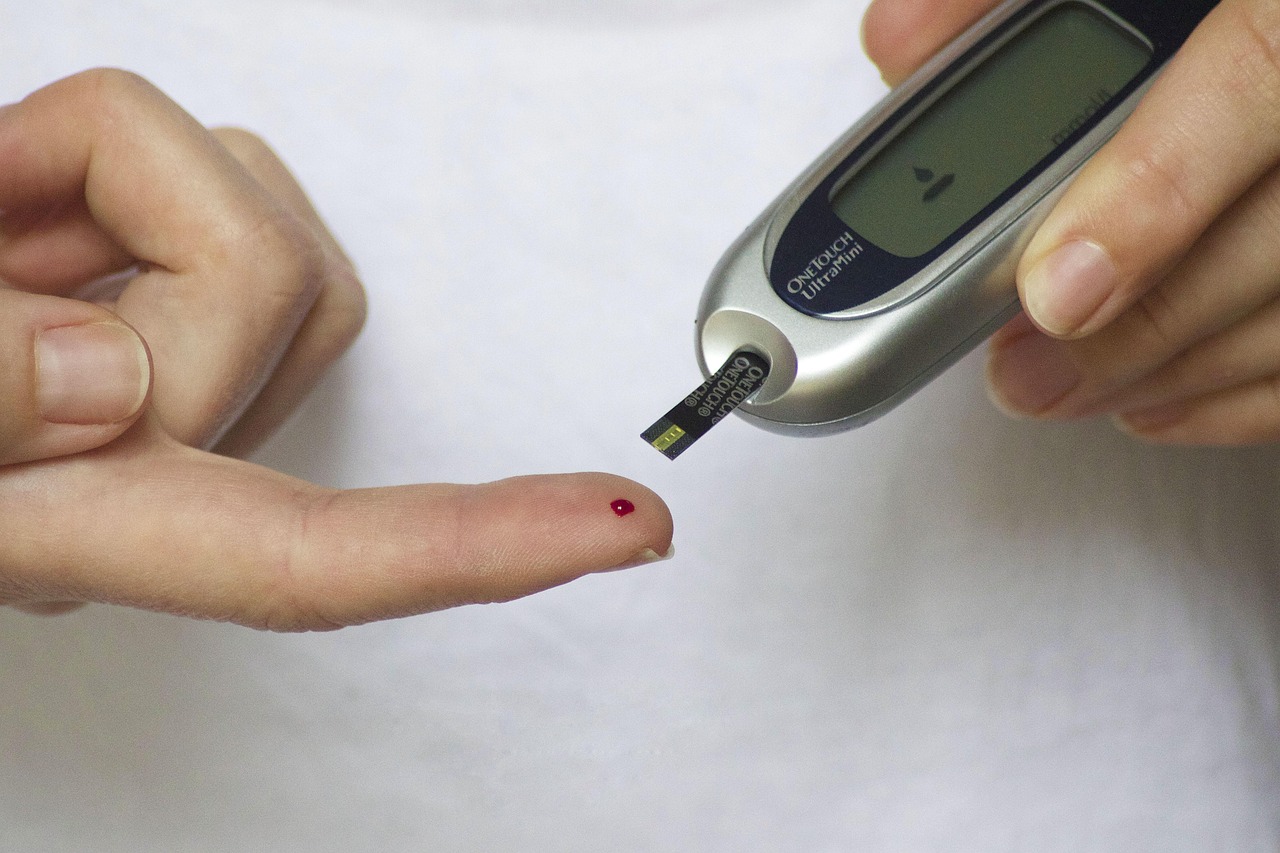
Sweating, shaking, sudden hunger, dizziness or confusion can mean low blood sugar. Keep a sweet drink or glucose tablets nearby, and tell your family what the signs look like. A reliable meter at home helps a lot, and you can compare options in our glucometers and strips section or read our best glucometer guide.
Questions to ask your doctor
Ask which insulin is for meals and which is the long acting one, what to do if a dose is missed, how often to check sugar, what to do on sick days, and when to call urgently. Also ask how long the current pen is good for. Our overview of diabetes medicines and the general diabetes in Pakistan article can help you prepare.
FAQ
Can I carry my insulin pen when travelling?
Yes. Keep it in your hand luggage in a cool bag and carry the doctor’s prescription with you.
Does the injection hurt?
Pen needles are very thin, and most people find it much less painful than they feared. A new needle each time and rotating sites reduce pain further.
Can I use an expired pen if it looks fine?
No. Expired insulin may not work properly, and a poorly working insulin is risky for your sugar control.
Is insulin addictive?
No. It replaces or supports the insulin your body cannot make enough of.
Browse our full diabetes care range and speak to your doctor or pharmacist for advice that fits you.