
Health Guides & Medicine Information
Jalne ka Ilaj (Burns): First Aid, Creams and What Never to Apply

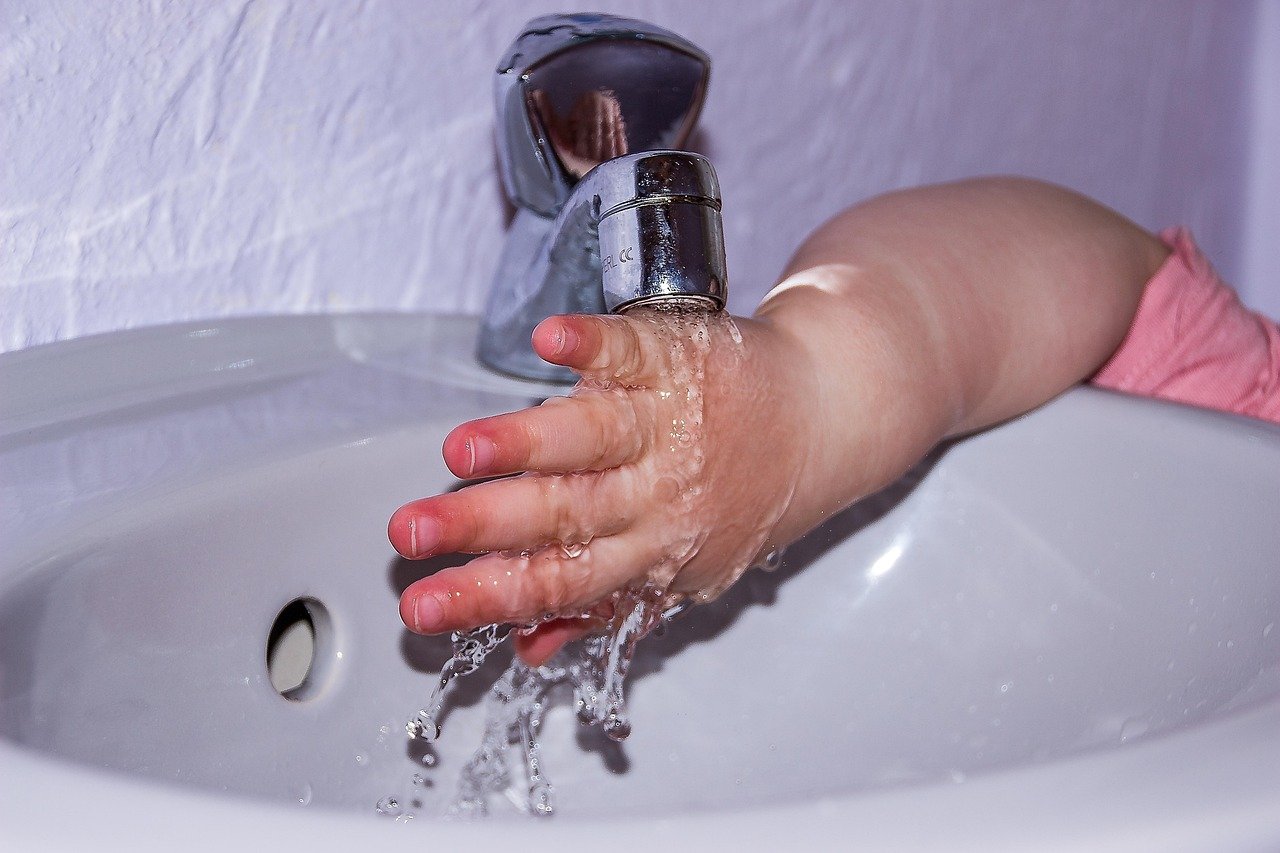
A splash of boiling chai, a touch of a hot iron, a child reaching for a pan or a leg too close to a gas heater: burns happen in seconds, and winter brings many of them. Jalne ka ilaj starts in the first few minutes at home, long before any cream is opened. This guide explains the right first aid, the creams doctors commonly use and the household remedies that can make things worse.
How serious is the burn?
- Surface burn: red, dry and painful, like mild sunburn.
- Partial thickness burn: blisters, wet or shiny skin and strong pain.
- Deep burn: white, brown, black or leathery skin, which may hurt surprisingly little because nerves are damaged.
Depth is not always obvious on the first day. A burn that looks mild can turn out deeper, so check it again and ask for help if you are unsure.
First aid: what to do straight away
- Move away from the source of heat. Switch off electricity or gas before touching the person.
- Hold the burn under cool running water for about 20 minutes. This still helps if started within the first few hours.
- Remove rings, watches, bangles and clothing near the area before swelling begins. Leave anything that is stuck to the skin.
- Keep the rest of the body warm, especially in babies and elderly people.
- Cover loosely with cling film or a clean cloth that does not shed fibres. Do not wrap tightly.
- Take a suitable painkiller as the label or your pharmacist advises.
For clothes on fire, stop the person from running, get them to the ground and smother the flames with a thick cloth or water.
What never to put on a burn
- Ice or iced water, which can damage skin further
- Toothpaste, ghee, oil, butter or egg
- Haldi, mehndi, flour, mud or any powder
- Cotton wool, which sticks to the wound
These remedies trap heat or carry germs, and the doctor may have to scrub them off, which is painful. Also leave blisters unbroken. The blister roof is a natural dressing.
Creams and ointments used for burns
Silver sulfadiazine
This antibacterial cream is widely used when a doctor wants to lower the risk of infection in a burn. Examples include Quench cream and Dermazine cream. It is generally avoided in people with sulfa allergy, in late pregnancy, during early breastfeeding of a newborn and in very young babies. It is usually not chosen for the face, as it may stain the skin. It can also change how a wound looks, so let a doctor assess a significant burn before covering it with cream.
Antibiotic ointments
For small broken areas, a doctor or pharmacist may suggest an ointment such as Polyfax skin ointment. Stop and seek advice if a rash, itching or swelling appears. Antibiotic creams are not needed on unbroken red skin.
Soothing creams
Once a minor surface burn is fully cooled, a gentle product such as Herbion Burnaid cream or a plain moisturiser can ease dryness. Never use any cream as a substitute for cooling.
Dressing a minor burn
Wash your hands first. Clean the area gently with clean water, apply the advised product in a thin layer and cover it with a non stick dressing, then sterile gauze and a light bandage. Change it as your doctor or pharmacist advises, or sooner if it becomes wet or dirty. If the gauze sticks, soak it with clean water or saline instead of pulling. You will find supplies under first aid and bandages and burns and wound care.
When to go to hospital
- The burn is larger than the palm of the injured person
- It involves the face, hands, feet, private parts or a major joint, or goes all around a limb
- The skin is white, black or leathery
- It was caused by electricity or chemicals
- Smoke was inhaled, or there is cough, hoarse voice or breathing difficulty
- The person is a baby, a young child, elderly, pregnant or has diabetes or weak immunity
Call 1122 where the service is available. Also ask about a tetanus injection, particularly if you are not sure when you last had one.
Signs of infection
Increasing pain, spreading redness, swelling, pus, a bad smell or fever mean the wound needs medical review quickly. People with sugar should be extra watchful, and the diabetic foot care guide explains why foot wounds need attention early.
Preventing burns at home
- Turn pan handles inward and keep hot tea away from table edges.
- Check bath water with your elbow before putting a child in.
- Keep a safe gap around gas heaters and never sleep with one running.
- Never light a stove when you can smell gas. Open windows and shut the supply.
- Store acid, drain cleaners and fuel in labelled containers, high up.
- Keep a stocked kit using our first aid kit checklist.
What to ask your doctor or pharmacist
- How deep is this burn, and does it need follow up?
- Which cream and dressing suit it, given my allergies?
- Is my tetanus protection up to date?
- How should I protect the new skin from the sun?
Frequently asked questions
Can I apply toothpaste for quick cooling?
No. It feels cool for a moment but can irritate the wound and increase the chance of infection. Use running water.
What if a blister bursts on its own?
Clean it gently, do not peel the skin forcefully, cover it with a non stick dressing and ask a doctor, especially if the area is large.
Will the burn leave a mark?
Surface burns usually heal without a lasting scar. Deeper ones may scar or change colour. Sun protection helps, and our sunscreen guide can help you choose. Wait until the skin has closed before applying it.
Is a bandage always necessary?
A small red area without broken skin may not need one. Blistered or open skin should be protected.
Disclaimer: This article is for general information and does not replace advice from a doctor or pharmacist. Serious burns need urgent medical care, and any medicine should be used only after suitable professional advice.