
Health Guides & Medicine Information
Menopause (Mahwari Band Hona): Symptoms, Medicines and Care

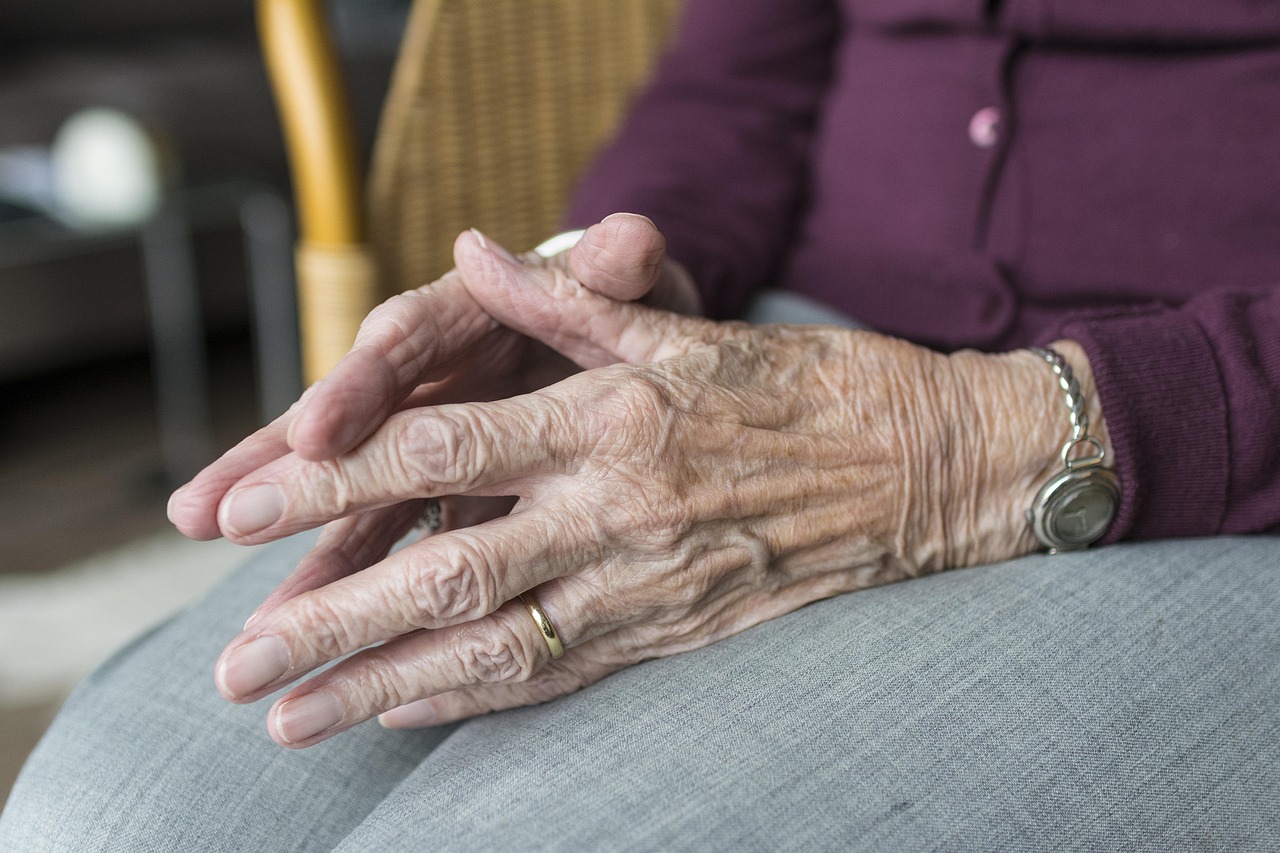
Somewhere around the late forties, many women notice that their periods are changing, nights are sweaty, moods feel unpredictable and sleep is no longer what it was. In our homes this stage is often brushed aside with the line that it is just age. In reality it is menopause, a natural phase in every woman’s life, and the symptoms are real enough to deserve proper attention. This guide explains what happens, which medicines and supplements are commonly discussed, and what to ask your doctor, without pushing any one product as a cure.
What Is Menopause?
Menopause means that the ovaries have slowed down and stopped releasing eggs, and periods have stopped for twelve months in a row. The average age is around the late forties to early fifties, though it varies. The years before it, when hormone levels swing up and down, are called perimenopause, and many symptoms start there. Menopause can also come earlier because of surgery to remove the ovaries or the uterus, cancer treatment or certain medical conditions. If your periods stop well before forty, see a doctor, because early menopause needs its own evaluation.
Common Symptoms
- Irregular, heavier or lighter periods before they stop completely
- Hot flushes and night sweats
- Trouble falling or staying asleep
- Mood swings, irritability, low mood or anxiety
- Vaginal dryness and discomfort, sometimes with burning during urination or recurrent urine infections
- Joint aches and tiredness
- Dry skin and thinning hair
- Difficulty concentrating
- Weight gain around the middle
Not every woman has all of these. Some barely notice the change, while others find it disruptive. Heavy bleeding, bleeding after periods have stopped, or bleeding between periods should always be checked by a doctor and never put down to menopause.
Long Term Health Effects to Know About
The drop in oestrogen affects more than comfort. Bones lose density faster after menopause, which raises the risk of fractures. Cholesterol and blood pressure may rise, and the heart needs more attention. That makes this a good time for regular check ups. Our guides on osteoporosis, calcium deficiency and vitamin D deficiency are a useful follow up read.
Treatment Options Doctors Discuss
Hormone therapy. For women with troublesome hot flushes and other symptoms, doctors may discuss hormone therapy using oestrogen, sometimes with progesterone. It can work well, but it is not right for everyone, for example women with certain cancers, blood clots or unexplained bleeding. The doctor weighs your age, health history and family history, and reviews the plan regularly. This is a prescription treatment, and you can share your doctor’s prescription through our upload prescription page.
Non hormonal medicines. Some women who cannot or prefer not to use hormones are offered other prescription options, for instance for hot flushes or mood symptoms. These depend on the individual and need a doctor’s assessment.
Vaginal moisturisers and local treatments. Dryness and discomfort are common and very treatable. Moisturisers, lubricants and local treatments are available, and many women feel embarrassed to ask. Please do not suffer in silence, as your doctor or pharmacist hears this often.
Bone and Nutrition Support
Calcium and vitamin D are the foundation of bone care after menopause. Food comes first: milk, yoghurt, cheese, leafy greens, sesame seeds and small fish with soft bones. When diet falls short, doctors may suggest supplements such as Calbond D. Do not pick a supplement and strength on your own if you have kidney stones, kidney disease or take other medicines, since calcium can interact with some of them. Browse the bone health category and the wider women’s health category for in stock items.
What About Supplements Like Evening Primrose Oil?
Many women ask about products such as evening primrose oil. Research on these for hot flushes is mixed, and they are not a replacement for medical care. If you want to try one, tell your doctor first, especially if you take blood thinners or have a hormone sensitive condition.
Lifestyle Steps That Make a Difference
- Move daily: a brisk walk and light strength exercises protect bones, mood and sleep.
- Dress in layers: cotton clothing and a fan by the bed help with hot flushes.
- Notice triggers: spicy food, very hot tea, caffeine and stress can bring on flushes for some women.
- Sleep routine: a fixed bedtime, a cool room and less screen time at night.
- Quit smoking: it brings menopause earlier and harms bones and heart.
- Talk about it: with your partner, sisters or friends. Support lightens the load.
Questions to Ask Your Doctor
- Are my symptoms due to menopause, or could something else such as thyroid disease be involved?
- Do I need blood tests or a bone density scan?
- Am I a good candidate for hormone therapy, and for how long?
- What are my options if I cannot take hormones?
- Do my current medicines interact with anything you are suggesting?
- How often should I come back for review?
Frequently Asked Questions
At what age does menopause usually start?
Most women reach it in their late forties or early fifties, but the timing differs from person to person.
Can I still get pregnant during perimenopause?
Yes, it is less likely but still possible while periods have not completely stopped. Ask your doctor about contraception until menopause is confirmed.
Is hormone therapy safe?
For some women it is a good option, for others it is not. The decision depends on your personal and family health history, so it needs a doctor’s review.
Do hot flushes go away on their own?
For many women they ease over time, though the duration varies a lot.
Is mood change during menopause normal?
Mood swings are common, but persistent sadness or anxiety should be discussed with a doctor, and help is available.
Disclaimer: This article is for general awareness only and is not a substitute for medical advice. Please consult a qualified doctor or pharmacist before starting, stopping or changing any medicine.