
Health Guides & Medicine Information
Desi Dawai aur English Dawai Saath Mein: Herbal Medicine With Allopathic Medicine, Is It Safe?

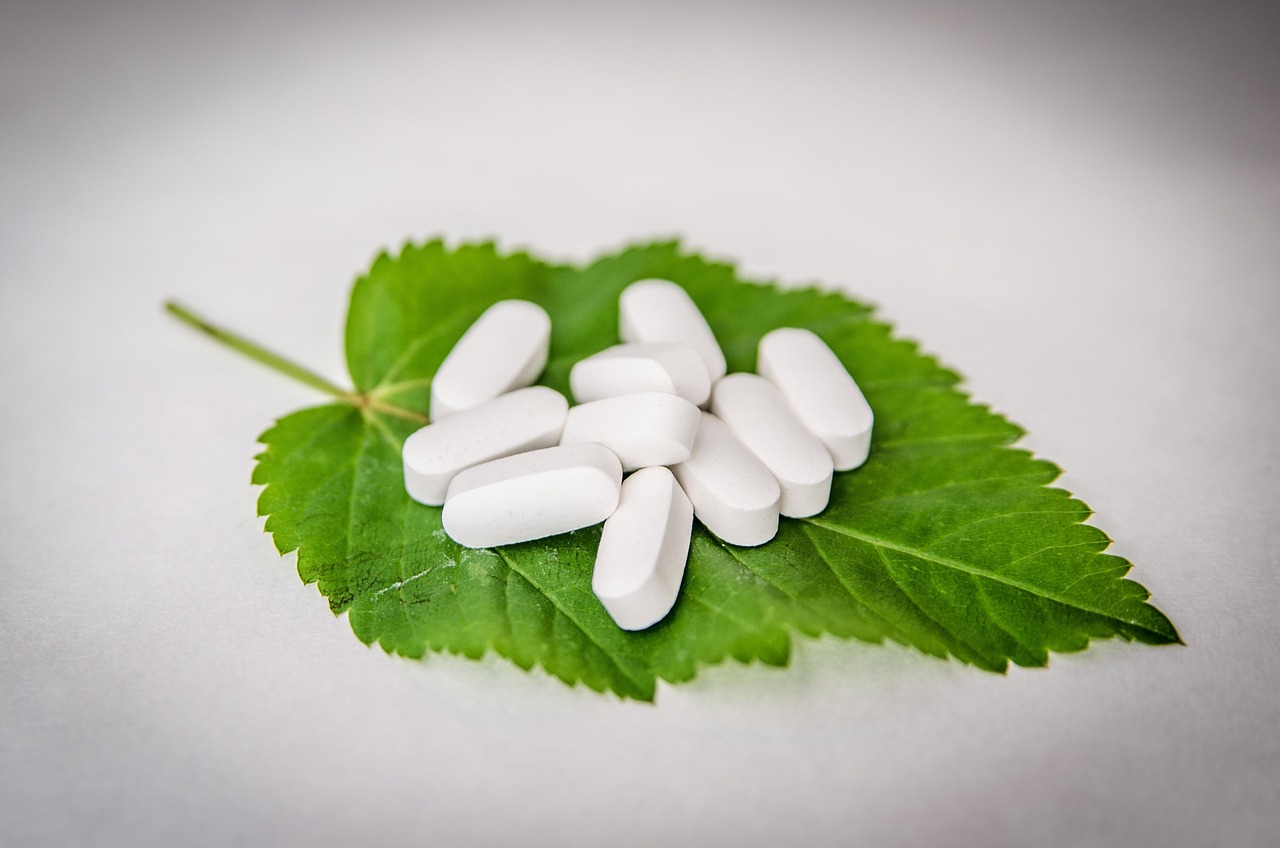
In many Pakistani homes, a patient takes a tablet from the doctor in the morning and a spoon of a desi dawai, a herbal powder or a hakeem’s mixture in the evening, and nobody tells the doctor. The thinking is simple: herbal means natural, and natural means safe. Unfortunately, the body does not read the label that way. Herbs are made of active chemicals, and some of them change how your regular medicines work.
This guide explains when herbal medicine with allopathic medicine can cause trouble, which combinations deserve the most caution, how to use common household items like honey and joshanda sensibly, and how to talk to your doctor about what you take.
Natural does not mean harmless
Many modern medicines were originally taken from plants. A herb that has a real effect on the body can also cause side effects, allergic reactions and interactions. The difference is that a registered medicine is tested, measured and labelled, while many herbal products vary from batch to batch, may not list all ingredients, and are not always checked for contamination.
Three ways herbs and tablets can clash
- Doubling the effect: a herb that lowers sugar taken with a diabetes tablet can push sugar too low. A herb that lowers blood pressure with a BP tablet can make you dizzy or faint.
- Cancelling the effect: some herbs reduce how well a medicine is absorbed or speed up its removal, so the tablet stops working properly.
- Adding side effects: two products that both strain the liver, kidney or stomach together raise the risk.
Combinations that need the most care
- Blood thinners: products like garlic concentrates, ginger in large amounts, ginkgo, turmeric supplements and some oils can raise bleeding risk with aspirin, clopidogrel or warfarin. Read our guide on blood thinners explained.
- Diabetes medicines: bitter gourd (karela), fenugreek (methi) and cinnamon supplements may lower sugar further. Always check your sugar and tell your doctor. See diabetes medicines explained.
- Blood pressure medicines: licorice (mulethi) can raise blood pressure and lower potassium. See blood pressure medicines explained.
- Sleeping and anxiety tablets: some calming herbs add to drowsiness.
- Transplant, epilepsy and cancer medicines: even small interactions matter here, so never add a herb without the specialist’s approval.
- Pregnancy and breastfeeding: many herbs are not proven safe. Ask your doctor first.
Hidden ingredients to be aware of
Reports from around the world have found some unregistered herbal products containing undeclared steroids, painkillers, diabetes tablets or heavy metals. Products that promise a quick cure for pain, sugar, weight or weakness deserve extra suspicion, because long term steroid use can cause sugar rise, weak bones and swelling. Buy only from licensed sellers. Our guide to buying medicine online safely in Pakistan and how to read a medicine label will help you check what you are buying.
Everyday items: honey, joshanda and herbal drinks
Not every herbal item is a worry. For a simple cough or sore throat in an otherwise healthy adult, warm drinks and honey are a common comfort. A product like Qarshi Honey is easy to find in our honey section, and joshanda sachets such as Johar Joshanda Sugar Free are listed under joshanda, cough and cold. Remember these points:
- Honey has sugar, so people with diabetes must count it.
- Never give honey to a baby under one year.
- Joshanda is for comfort in mild colds. A cough with fever, breathlessness or chest pain needs a doctor.
- Do not use herbal products as a replacement for prescribed medicines for diabetes, blood pressure, heart disease, asthma or epilepsy.
You can browse the wider range in our herbal and unani category, herbal tonics and remedies and herbal and wellness sections.
How to use both safely
- Make a list of every medicine, herbal product, supplement and tonic you take, with names and how often.
- Show it to your doctor and pharmacist at each visit, and to any hakeem you consult.
- Start one thing at a time, so that if a reaction occurs you know which product caused it.
- Keep a gap if your doctor or pharmacist advises one between products.
- Stop and call a doctor if you get rash, swelling, yellow eyes, dark urine, severe stomach pain, dizziness or unusual bleeding.
- Check before surgery: tell the surgeon about all herbal products, as some are stopped before an operation.
If you are thinking about supplements for winter, our article on supporting immunity in winter has sensible, food first advice.
Frequently asked questions
Is it okay to take a desi dawai with my regular tablets?
It depends on the product and the tablet. Do not assume. Ask your doctor or pharmacist, and bring the product or its label.
Can I stop my medicine and just use herbs?
Do not stop prescribed medicines for diabetes, blood pressure, heart or epilepsy on your own. Stopping can be dangerous. Discuss it with your doctor.
Are herbal products tested like medicines?
Registered products must meet certain standards, but many herbal products sold loosely do not. Choose labelled, licensed brands with batch and expiry details.
Should I tell my doctor about herbal products?
Yes, always. This is one of the easiest ways to prevent interactions, and a good doctor will not judge you for it.
Khasmart stocks both allopathic and herbal products with delivery across Pakistan, and our pharmacists can help you check labels.
This article is for general information and is not a substitute for advice from your doctor or pharmacist. It does not give doses; your doctor decides the medicine and amount for you. Herbal products are not a replacement for prescribed treatment.