
Health Guides & Medicine Information
Home First Aid Kit: A Complete Checklist for Pakistani Families

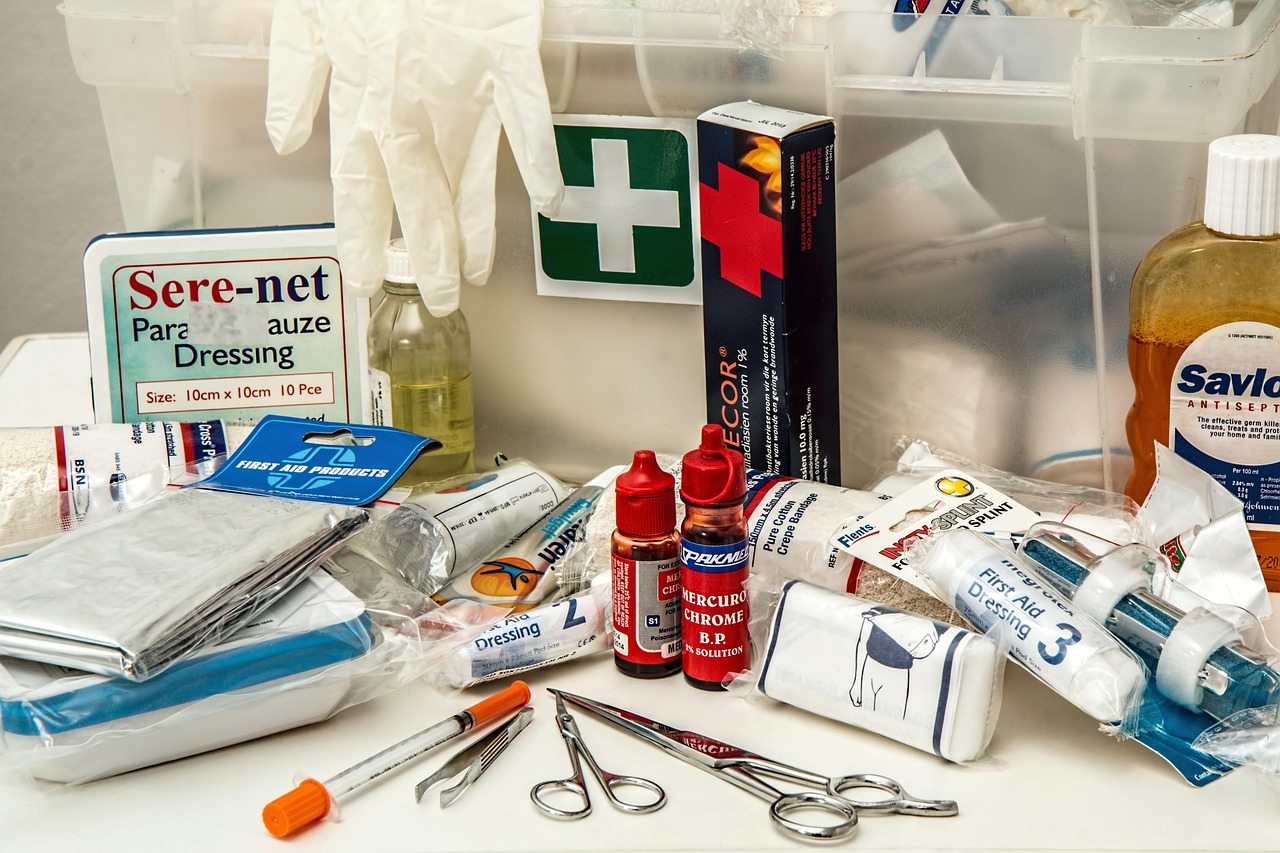
It is eleven at night. A child has slipped in the kitchen, grandfather’s blood pressure feels off, or someone has a fever that is climbing fast. This is exactly when you find out whether your home first aid box is ready or just an old biscuit tin with two expired strips and a half-empty bottle.
A good home first aid kit does not need to be big or expensive. It needs the right basics, kept in one place, and checked twice a year. Here is a practical checklist for Pakistani families, plus a few simple first aid rules that can make a real difference.
Where to keep it
- In a cool, dry cupboard, away from direct sunlight. Bathrooms and kitchens are too hot and humid for medicines.
- Out of reach of children, but easy for adults to find. Tell everyone at home where it is.
- In a sturdy box with a lid, clearly marked, with a small torch and a printed list of emergency numbers.
Wound and injury care
- Antiseptic solution for cleaning minor cuts and grazes, such as Pyodine Solution. Do not use it on deep wounds, and avoid it if you are allergic to iodine.
- Sterile dressings to cover a clean wound. Leukomed Dressing is a self-adhesive option.
- Gauze for cleaning wounds and applying pressure, for example Surge Gauze.
- Medical tape to hold dressings in place, such as Paragon Tape.
- Cotton wool for cleaning around a wound. Cotton Wool 100g is a handy size for a small kit.
- Small scissors kept only for the kit. Try the small scissors we stock.
- Disposable gloves such as Orbit Examination Gloves to protect you and the injured person.
Fever and pain
- A digital thermometer is the most important item in the box. A reliable one like the Digital Thermometer Life Care or the Rossmax Thermometer takes the guesswork out of fever. See all thermometers.
- A pain and fever medicine such as paracetamol, in a form that suits your family, for example tablets for adults and syrup for children. Follow the pack, and never combine two products that contain paracetamol.
- Any regular medicines your family members take, in their original packs with the labels on.
If a child has a fever, our guide on fever in children explains when to relax and when to worry.
Stomach and hydration
- ORS sachets for diarrhoea, vomiting and heat exhaustion. Brands such as Maclyte ORS are easy to keep. Mix them only with safe, clean water as the pack directs.
- An antacid for occasional heartburn, for example Anta Plus Syrup.
Dehydration moves fast in children and the elderly. Read our guide to waterborne diseases for the warning signs.
Hygiene and protection
- Hand sanitiser for times when soap and water are not available, such as Dettol Hand Sanitizer.
- Face masks for dusty days, smog and sick-room care.
- A blood glucose meter and a BP monitor if someone at home has diabetes or high blood pressure. See our guides to the best glucometer in Pakistan and the best blood pressure monitor in Pakistan.
Three first aid rules worth knowing
Burns
Cool the burn under cool (not ice-cold) running water for about twenty minutes. Do not apply ice, toothpaste, butter, ghee, haldi or any home paste. They trap heat and raise the risk of infection. Cover loosely with a clean, non-fluffy cloth or dressing. Go to hospital for burns bigger than the person’s palm, burns on the face, hands, feet or private areas, deep or white burns, chemical or electrical burns, and any burn in a small child.
Cuts and bleeding
Wash your hands, then press firmly on the wound with clean gauze or cloth for ten minutes without lifting to check. Once the bleeding stops, rinse the wound with clean water, use an antiseptic around it, and cover it. If blood soaks through, add more cloth on top and get medical help. Seek help for deep cuts, cuts that gape open, or bites from animals.
Nosebleeds
Sit down, lean slightly forward, and pinch the soft part of the nose for ten minutes. Do not tilt the head back. If it lasts longer than twenty minutes, or follows a head injury, go to a hospital.
Emergency numbers to write down
Keep these on a card inside the box: your family doctor, the nearest hospital, Rescue 1122 in the areas where it operates, and Edhi ambulance on 115. Add allergy details and blood groups of family members.
What not to keep
- Expired medicines, or tablets with no packet or label.
- Leftover antibiotics. Never start antibiotics on your own, and never share them.
- Old creams and eye drops that have been open for months.
- Anything that smells, changes colour or has leaked.
How often should you check the kit?
Twice a year is enough. Pick two easy dates, such as before summer and before winter. Check expiry dates, replace anything used, and test the thermometer battery. Restock straight after you use something, rather than waiting for the next emergency.
Frequently asked questions
Do I need a different kit for a baby?
Babies have different needs. Keep the basics above, and ask your paediatrician what to add, such as a nasal aspirator or infant drops. Do not give adult medicines to babies.
Should I keep a car first aid kit as well?
Yes. A small kit with dressings, tape, gloves, antiseptic wipes and a torch is useful on long drives, especially on motorways.
Can I buy everything from one place?
Most of the items above are available at Khasmart. Browse devices and surgical and surgical and disposables to put your kit together, with delivery across Pakistan. If you are ordering medicine for the first time, read our tips on buying medicine online safely.
This article is for general information and is not a substitute for advice from your doctor or pharmacist. It does not include dosage; always follow the directions on the pack or from your doctor. In an emergency, call for help or go to the nearest hospital.