
Health Guides & Medicine Information
Waterborne Diseases After Monsoon Floods in Pakistan

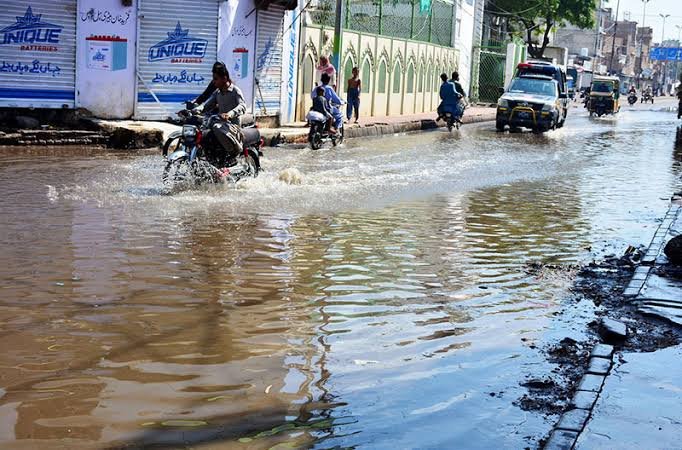
The most dangerous week after a flood is not the week the water arrives. It is the two or three weeks after it drains away, when the news has moved on, families have gone back into their houses, and everyone assumes the worst is over.
That is when the illnesses show up. Almost every serious waterborne disease has an incubation period — a quiet gap between swallowing the bacteria and feeling sick. Understanding that gap is the difference between catching something early and treating a child who is already badly dehydrated.
This article is for general awareness only. It is not a diagnosis. Anyone with persistent vomiting, diarrhoea or fever after flooding should see a doctor rather than self-medicate.
Why floodwater poisons drinking water
Flooding does not simply add dirty water to clean water. It reverses the direction things flow.
Sewage lines overflow and mix into the same ground that municipal supply pipes run through. Those pipes are rarely sealed perfectly, and when a pump is switched off the pressure drops — contaminated groundwater gets pulled in through every crack. Underground tanks take in surface runoff. Handpumps sitting below the flood line draw from a water table that now contains everything the flood carried.
The result is that tap water can look completely clear and still be unsafe for weeks after the visible flooding has gone.
What appears, and when
Symptoms arriving on different schedules is the reason families often fail to connect an illness back to the flood at all.
| Time after exposure | What tends to appear | Main signs |
|---|---|---|
| Hours to 3 days | Acute watery diarrhoea, cholera, food poisoning | Sudden loose motions, vomiting, cramps |
| 1 to 2 weeks | Typhoid and paratyphoid | Fever climbing daily, headache, no appetite |
| 2 to 6 weeks | Hepatitis A and hepatitis E | Yellow eyes, dark urine, exhaustion, nausea |
| Any time water contact continues | Skin and eye infections | Rashes, itching, boils, red sticky eyes |
Acute watery diarrhoea and cholera
The fastest and, in small children, the most immediately lethal. Cholera can dehydrate a child dangerously within hours. The treatment that saves lives is not an antibiotic — it is fluid, given early and continuously. ORS started at the first loose motion prevents most emergencies that follow.
Typhoid
Slower and easier to miss, because it starts as an ordinary fever. Typhoid rises step by step, higher each evening, and never quite breaks. In Pakistan this matters more than elsewhere: the country carries drug-resistant strains that do not respond to the older antibiotics, which is why a blood culture is worth insisting on. We have covered this in detail in our guide to typhoid and XDR typhoid.
Hepatitis A and E
Both spread through contaminated water and both show up weeks later, usually as yellowing eyes, dark urine and deep tiredness. Most people recover with rest.
The exception is serious and not widely known: hepatitis E in pregnancy. In the third trimester it carries a far higher risk of severe liver failure than in anyone else. Any pregnant woman in a flood-affected area who develops jaundice, vomiting or unusual exhaustion needs medical attention urgently, not rest at home.
Skin and eye infections
Prolonged contact with standing water causes fungal infections between the toes, boils and conjunctivitis. Not dangerous, but miserable, and they spread quickly through a household sharing towels.
Making water safe
In order of reliability:
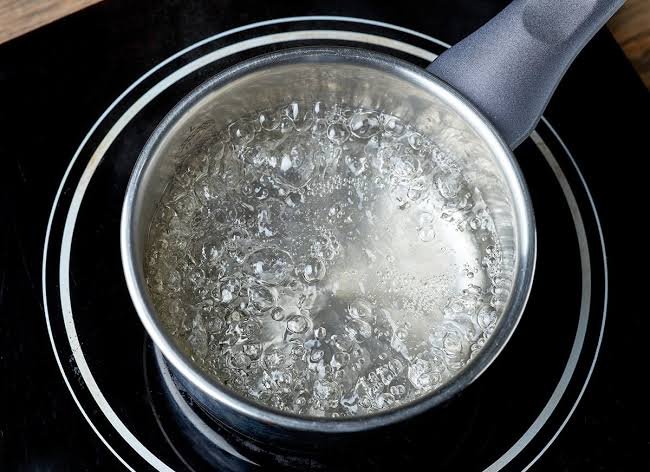
- Boiling. A rolling boil for one full minute kills everything that matters. Not “until it steams” — a genuine rolling boil. This remains the best method available in most homes.
- Chlorination. Purification tablets or household bleach at the correct dilution work well. Let treated water stand thirty minutes before drinking.
- Filters. Effective only if the cartridge is within its life. An exhausted filter is more dangerous than no filter, because it feels safe.
Two things people consistently forget. Ice is water — ice made from untreated water carries the same risk. And a tank that took in floodwater must be drained, scrubbed and disinfected before use, not simply refilled.
Food, hands and everything else
- Throw away any food that touched floodwater, including sealed packets and tins that were submerged.
- Skip raw salads, cut fruit and juice sold outside — all washed in whatever water was available.
- Wash hands with soap for twenty seconds before food and after the toilet. Where water is short, hand sanitiser is a reasonable stand-in.
- Wear closed footwear around standing water and dry your feet properly afterwards.
- Cover water storage containers. Open ones become mosquito breeding sites, which is how dengue follows floods so reliably.
Danger signs that need a hospital
Dehydration kills faster than the infection causing it. Go immediately if you see:
- No urine for eight hours, or very dark urine
- Sunken eyes, a dry mouth, or crying without tears in a child
- A sunken soft spot on a baby’s head
- Unable to keep any fluid down
- Blood in stool or vomit
- Yellow eyes or skin
- Extreme drowsiness or confusion
- Fever continuing beyond three days
What to have ready before the next monsoon
- ORS sachets — more than you think you need. In a flood-affected area these sell out first.
- Soap and sanitiser at every basin
- A digital thermometer, so a fever is measured rather than guessed
- A stocked first aid box including antiseptic for cuts exposed to floodwater
- Paracetamol, within expiry
If a doctor has prescribed treatment, you can upload the prescription for delivery rather than travelling on damaged roads.
Common questions
How long does water stay unsafe after flooding?
Assume several weeks unless local authorities say otherwise. Clarity tells you nothing — bacteria are invisible.
Is boiled water safe from everything?
It kills bacteria, viruses and parasites, which covers every illness in this article. It does not remove chemical contamination, so water near industrial or agricultural runoff needs filtering too.
Should we take antibiotics as a precaution?
No. Preventive antibiotics do not work here and directly worsen the resistance problem already driving drug-resistant typhoid in Pakistan.
Can these illnesses pass between family members?
Yes. All of them spread when traces from an infected person reach someone else’s mouth, usually through unwashed hands and shared food. Handwashing matters as much indoors as it does outdoors.
The short version
The flood is the exposure. The illness arrives later. Boil your drinking water for a full minute, clean out any tank that took in floodwater, keep ORS in the house, and treat a fever lasting more than three days as something that needs a diagnosis rather than a guess.