
Health Guides & Medicine Information
Stroke (Laqwa): FAST Signs, What to Do and Medicines to Prevent a Second Stroke

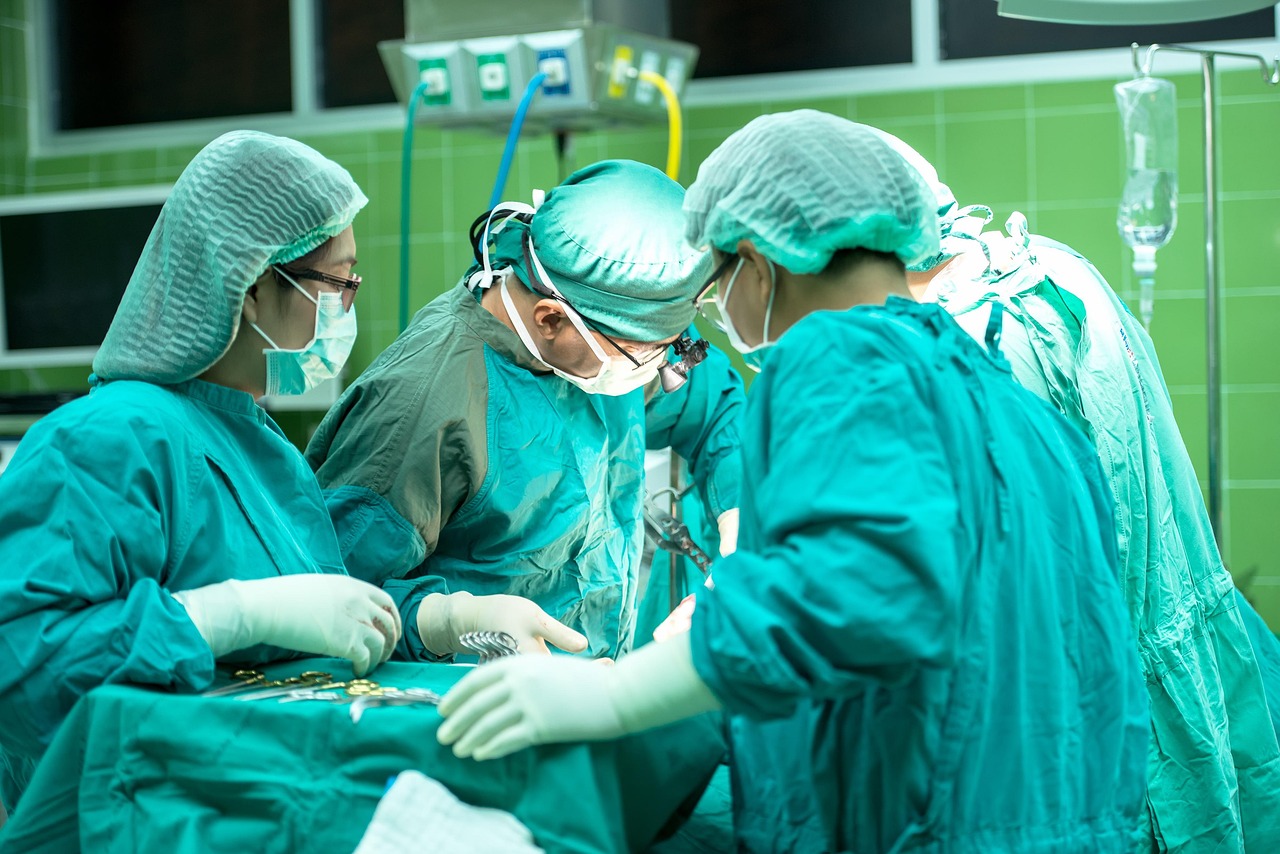
A face that droops on one side. An arm that suddenly cannot lift. Speech that comes out slurred or does not make sense. A stroke (laqwa, falij) is a medical emergency in which every minute counts, and in Pakistan too many families lose precious hours waiting at home, or visiting a hakeem or a pir, before reaching a hospital. The right action in the first few hours can decide whether a person walks out of hospital, or is left with permanent disability.
This guide explains what a stroke is, how to recognise it with the FAST test, what to do, how the medicines that prevent a second stroke work, and how to care for someone recovering at home.
What is a stroke?
A stroke happens when the blood supply to part of the brain is cut off or a blood vessel in the brain bursts, so brain cells start to die.
- Ischaemic stroke (about 85 per cent): a clot blocks an artery that supplies the brain. Often it comes from fatty plaque in the neck or brain arteries, or from a clot that forms in the heart, as in atrial fibrillation (an irregular heartbeat).
- Haemorrhagic stroke: a vessel bursts and bleeds into the brain. High blood pressure is the main cause.
- TIA (mini-stroke): symptoms that last minutes to hours and go away. It is a major warning that a full stroke may follow, and needs urgent assessment.
Recognise the signs: FAST
- F: Face. Ask the person to smile. Does one side droop?
- A: Arms. Ask them to raise both arms. Does one drift down or cannot rise?
- S: Speech. Is speech slurred, strange or absent? Can they understand you?
- T: Time. If you see any of these signs, call an ambulance and go to hospital immediately.
Other signs: sudden numbness or weakness on one side, sudden confusion, trouble seeing in one or both eyes, sudden dizziness or loss of balance, and a sudden, severe headache with no known cause.
What to do: step by step
- Call for emergency help (Rescue 1122 in areas where it works, or Edhi 115) and go to the nearest hospital that has a CT scanner and stroke or neurology services. Do not wait for the family to gather, and do not call a hakeem.
- Note the time when the symptoms began, or when the person was last seen well. Doctors need it to decide on treatment.
- Keep the person lying comfortably, with the head slightly raised, or on their side if drowsy or vomiting.
- Do not give food, drink or medicines by mouth, because swallowing may be unsafe.
- Do not give aspirin on your own. If the stroke is caused by bleeding, aspirin makes it worse. A scan must come first.
- Do not massage the limbs, place anything on the head, or give home remedies.
- Bring the list of medicines the person takes.
Why time matters
In ischaemic stroke, a clot-dissolving drug (thrombolysis) can be given within about four and a half hours of the start of symptoms, and clots can sometimes be removed by catheter treatment within a longer window in specialised centres. Each minute without treatment, roughly two million brain cells die. Hospitals can do these only if the patient arrives early.
Medicines that prevent another stroke
After a stroke, the risk of another is high, and prevention medicines are the most important part of long-term care. These are prescription medicines.
- Antiplatelets: low-dose aspirin (Loprin 75, Ascard 75) and clopidogrel (Plavix, Clopid 75) keep platelets from forming clots. Sometimes the two are combined for a short time. Never stop them without your doctor’s advice.
- Anticoagulants: if the stroke was caused by atrial fibrillation, warfarin or newer blood thinners are used. Read our guide to blood thinners.
- Statins: to lower cholesterol and stabilise plaques. See our guide to high cholesterol and statins.
- Blood pressure medicines: the most important single factor. Read our guide to blood pressure medicines, and the best blood pressure monitor in Pakistan.
- Diabetes control: see diabetes medicines.
You may hear about brain tonics or neuroprotective medicines such as citicoline and piracetam. Evidence that they improve stroke recovery is limited, and they are not substitutes for the preventive medicines above. Ask your doctor before relying on them.
See the blood thinners category. If you have a prescription, upload it here.
Lifestyle changes that cut stroke risk
- Control blood pressure. Aim for the target your doctor sets.
- Stop smoking, paan, gutka and naswar.
- Eat less salt, ghee, fried food and bakery items, and more vegetables, fruit, daal and fish. See our guide to angina and heart medicines.
- Walk or exercise for 30 minutes on most days, with your doctor’s approval.
- Control weight and sugar. See weight and BMI at home.
- Limit alcohol.
- Check your pulse for irregular beats, and tell the doctor about palpitations.
Recovery and care at home
Recovery can continue for months to years, and rehabilitation begins as early as possible in hospital.
- Physiotherapy to rebuild strength, balance and walking. Speech therapy for speaking and swallowing. Occupational therapy for daily tasks.
- Swallowing: choking and chest infections are a risk. Follow the swallowing advice, sit upright for meals, and use thickened or soft food if advised.
- Prevent pressure sores: change position every two hours, keep skin clean and dry. See our guide to bedsores and elderly care at home.
- Bladder and bowels: help with regular toileting. Adult diapers and a commode stool can help.
- Mobility aids: a folding walker or a walking stick with seat, as the physiotherapist advises. Make the home safe with grab rails and no loose rugs.
- Mood: depression is very common after a stroke, and treatable. Read our guide to depression and anxiety medicines.
- Keep a thermometer and BP monitor at home, and track readings. See our thermometer guide.
- Support the carer. Share the work, and take breaks.
When to call for help again
- Any new FAST symptom, even if it passes. A TIA needs same-day assessment.
- Fever, cough or breathlessness (possible chest infection).
- Black stools or blood in vomit or urine, if on blood thinners.
- A fall, with a blow to the head, while on blood thinners.
- Seizures, new confusion or severe headache.
Frequently asked questions
Is a stroke the same as a heart attack?
No. A stroke affects the brain, and a heart attack affects the heart. They share many causes, and both need emergency care.
Can a stroke be prevented?
Yes, in a large number of cases, by controlling blood pressure, sugar and cholesterol, avoiding tobacco, and treating irregular heartbeat.
Can stroke patients recover fully?
Some recover very well, and others have lasting disability. Early treatment and rehabilitation make the biggest difference.
Is stroke caused by black magic or the evil eye?
No. It is caused by a problem in the blood vessels of the brain. Delay in treatment because of such beliefs can cost lives.
Order prescribed stroke prevention medicines and recovery supplies from Khasmart, with delivery across Pakistan.
This article is for general information and is not a substitute for advice from your doctor or neurologist. It does not include doses; your doctor decides the medicine and amount. A stroke is an emergency: call for help or go to the nearest hospital immediately.