
Health Guides & Medicine Information
Blood Pressure Medicines Explained: ACE Inhibitors, ARBs, Amlodipine and Beta Blockers

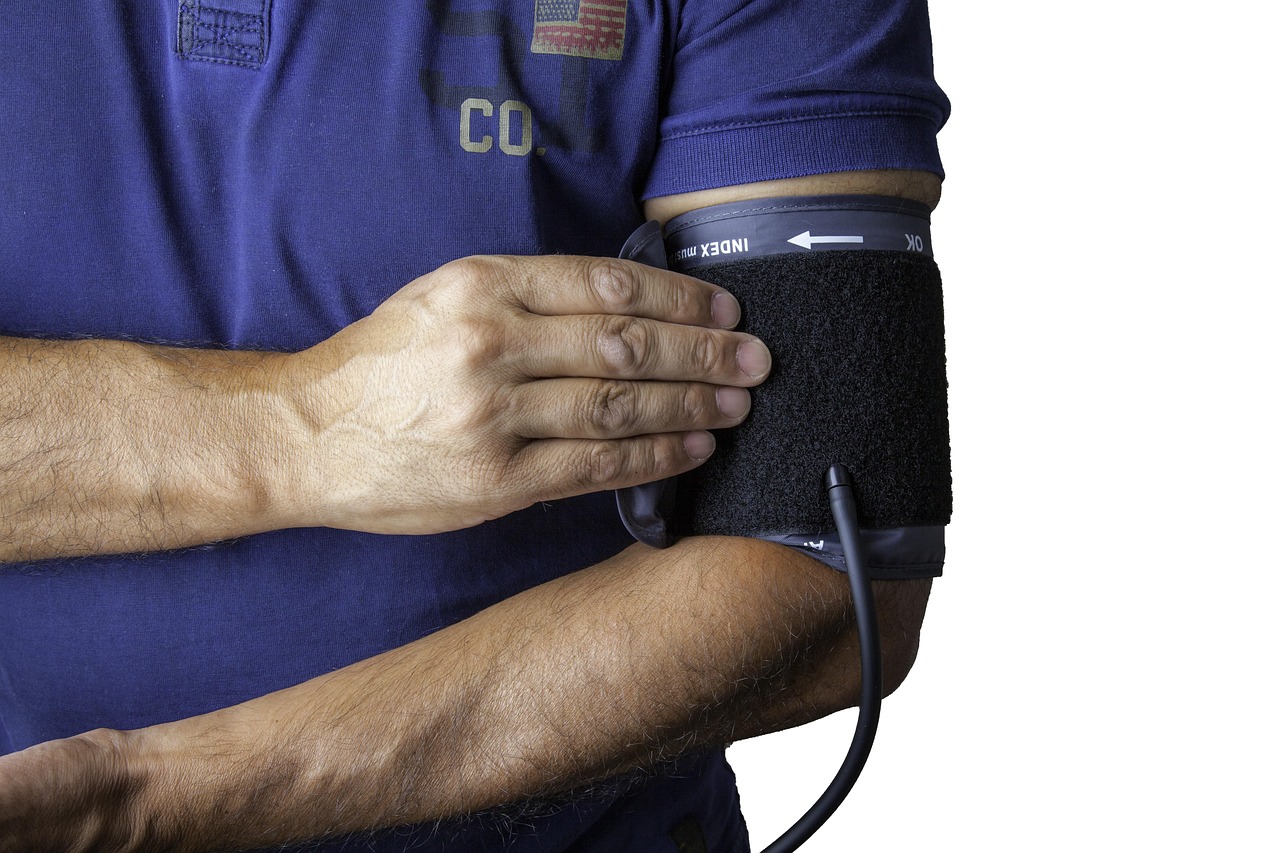
High blood pressure (BP ka high hona) is called the silent killer for a reason. Most people feel perfectly well, and that is why so many stop their tablets when the reading looks normal, or skip them for weeks. Pakistan has millions of people with hypertension, and a large share of the medicines on a pharmacy shelf are for it. Understanding what each tablet does, and why you must take it every day, can prevent strokes, heart attacks and kidney failure.
This guide explains the main groups of blood pressure medicines, their side effects, why combinations are common, simple rules for taking them, and the habits that make the tablets work better.
What counts as high blood pressure?
A reading consistently at or above 140/90 mmHg in the clinic (or around 135/85 at home) is generally treated as high. Your doctor sets your target, and for many people with diabetes, kidney disease or heart disease it is lower, often below 130/80. See our guide to high blood pressure in Pakistan, and the best blood pressure monitor in Pakistan for home checks.
The main groups of medicines
ACE inhibitors
Lisinopril and ramipril relax blood vessels. They also protect the kidneys and heart, particularly in diabetes. Common side effect: a dry, irritating cough (about one in ten people). Rare but serious: swelling of the lips, tongue or throat (angioedema), which is an emergency. They can raise potassium, and must not be used in pregnancy. If you develop a cough, ask your doctor about switching to an ARB. Do not stop on your own. See our guide to dry cough vs wet cough.
Angiotensin receptor blockers (ARBs)
Losartan, valsartan, telmisartan and olmesartan work like ACE inhibitors, without the cough. They share the pregnancy and potassium warnings. Many are sold combined with amlodipine or a diuretic, such as Address 5/160, Tiocardis AM, Olmis A, Arbi A and Exforge HCT, and Azilazon (azilsartan).
Calcium channel blockers
Amlodipine and nifedipine (Nifine CC) widen the arteries. The commonest side effects are ankle swelling, flushing and headache. Verapamil (Calan) also slows the heart, and is used for some rhythm problems.
Beta blockers
Atenolol (Pulse), bisoprolol, nebivolol and carvedilol (Dilatrend) slow the heart and reduce its workload. They are especially useful after a heart attack or in heart failure. They can cause tiredness, cold hands and a slow pulse, may hide the signs of low sugar in people with diabetes, and should not be stopped suddenly. They can worsen asthma.
Diuretics (water tablets)
Hydrochlorothiazide and indapamide help the kidneys remove salt and water. They can cause low potassium and sodium, gout flares and frequent urination. Spironolactone (Aldactone, Spiromide) keeps potassium up, and can raise it too high when combined with an ACE inhibitor or ARB, so blood tests are needed. Furosemide is a stronger water tablet used for fluid overload.
Browse the hypertension category. These are prescription medicines. If you have a prescription, upload it here.
Why two or three tablets?
Blood pressure is controlled through several pathways. Using low doses of two medicines from different groups often lowers pressure better, with fewer side effects, than a high dose of one. Many single tablets combine two or three. It is common and not a sign of severe disease.
Rules for taking BP tablets
- Take them every day, at the same time. Link it to a daily habit such as breakfast, or brushing your teeth.
- Do not stop when the reading is normal. It is normal because of the tablets.
- Do not double up if you miss a dose. Take it when you remember, unless the next dose is near.
- Do not stop beta blockers or clonidine suddenly. Rebound high pressure and fast heartbeat can occur.
- Stand up slowly, especially at the start, and if you also take other medicines that lower pressure.
- Keep a list of your medicines, and show it to every doctor.
- Check your pressure at home, sitting, rested for five minutes, arm at heart level, and note the readings.
Things that raise blood pressure
- Anti-inflammatory painkillers such as ibuprofen and diclofenac. Read our guide to arthritis medicines.
- Decongestant cold medicines, steroids, some herbal products, liquorice and energy drinks.
- Salt: pickles (achar), chips, salted nuts, processed foods and extra salt on food.
- Being overweight, smoking, heavy tea and coffee, alcohol, lack of exercise, poor sleep and stress.
Lifestyle that helps the tablets
- Reduce salt to less than a teaspoon a day in total. Use lemon, herbs and spices instead.
- Eat more fruit, vegetables, daal and low-fat dairy.
- Walk briskly for 30 minutes, five days a week.
- Reach a healthy weight. See our guide to checking weight and BMI at home.
- Stop smoking, paan, gutka and naswar.
- Limit caffeine, and sleep seven to eight hours. See insomnia and sleeping tablets.
- Avoid potassium-based salt substitutes if you take an ACE inhibitor, ARB or spironolactone, unless your doctor agrees.
Protecting your heart, kidneys and brain
High blood pressure rarely works alone. Check your cholesterol and sugar, and have your kidney function and urine tested every year. Read about angina and heart medicines, high cholesterol and statins and diabetes medicines.
Pregnancy and BP
ACE inhibitors and ARBs must not be used in pregnancy. If you are planning pregnancy, speak to your doctor, who will switch you to a safe medicine such as labetalol or methyldopa. High blood pressure with headache, blurred vision, swelling or upper belly pain in pregnancy is an emergency.
When it is an emergency
Go to hospital if a very high reading (for example above 180/120) comes with chest pain, severe headache, blurred vision, confusion, breathlessness, weakness of the face, arm or leg, or difficulty speaking. Do not drive yourself.
When to see a doctor
- Readings stay high, or are very variable, despite regular tablets.
- Dizziness, fainting, a very slow pulse, or persistent cough.
- Swelling of the ankles, lips or face.
- You want to stop or change a medicine.
Frequently asked questions
Do I need BP tablets for life?
Most people do. Some can reduce or stop with major weight loss and lifestyle change, but only under a doctor’s guidance.
What is the best time to take BP tablets?
The time that you will remember. Some doctors suggest evening for certain tablets. Follow the advice you are given.
Can I fast in Ramadan on BP tablets?
Many people can, with timing changes. Speak to your doctor, particularly if you take water tablets, to avoid dehydration.
Is my cough from my BP tablet?
It could be, if you take an ACE inhibitor. Tell your doctor, who may switch you.
Order prescribed blood pressure medicines and home monitors from Khasmart, with delivery across Pakistan.
This article is for general information and is not a substitute for advice from your doctor. It does not include doses; your doctor decides the medicine and amount. Always follow the directions on the pack or from your doctor.