

Health Guides & Medicine Information
Parkinson’s Disease (Raasha): Levodopa, Medicine Timing and Home Safety

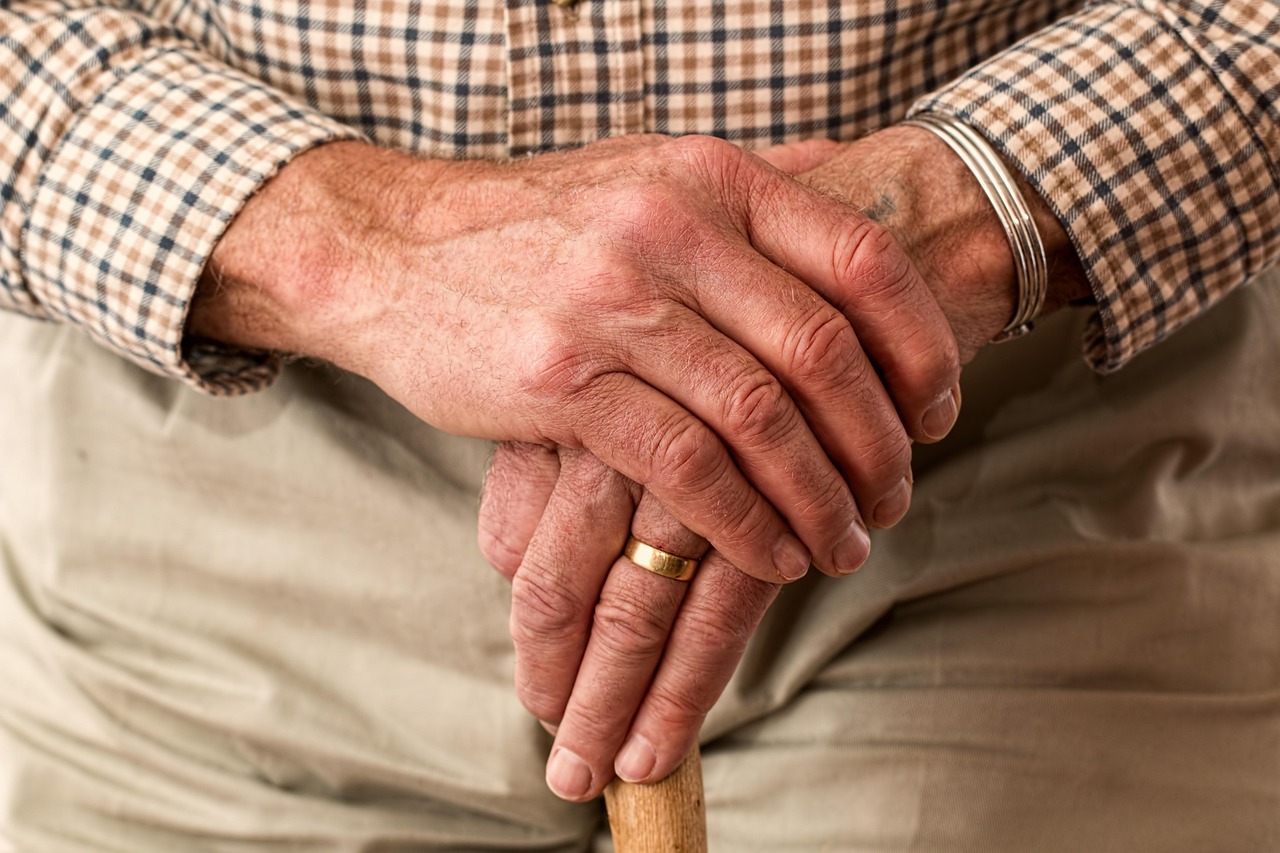
A hand that trembles at rest. Steps that become smaller and slower. A voice that grows softer and a face that seems to lose expression. Parkinson’s disease (raasha, kampkampi) develops slowly, and in its early stages it is often dismissed as ageing. Understanding the condition, and above all how its medicines work, helps patients and families get the best from treatment, and avoid serious mistakes.
This guide explains the symptoms of Parkinson’s disease, how levodopa and other medicines work, why timing matters, medicines to avoid, how to cope with side effects, and how families can make the home safer.
What is Parkinson’s disease?
Parkinson’s disease happens when brain cells that make dopamine, a chemical that controls movement, slowly die. Without enough dopamine, movement becomes slow, stiff and shaky. It usually begins after the age of 60, but can start earlier. It is not contagious, it is not caused by black magic or the evil eye, and it is not simply old age.
Symptoms
- Tremor: a rhythmic shaking, usually starting in one hand while resting, like rolling a pill between the fingers.
- Slowness (bradykinesia): difficulty starting movements, small handwriting, slow buttoning and walking.
- Stiffness (rigidity): tight muscles, aching limbs and reduced arm swing.
- Balance problems and a stooped posture, with shuffling steps and freezing in doorways, later in the illness.
- Non-movement symptoms: constipation, loss of smell, sleep problems, low mood and anxiety, soft voice, drooling, and in some people memory problems.
A neurologist makes the diagnosis from the examination. There is no single blood test, and scans are used to rule out other causes.
The medicines
There is no cure yet, but medicines can control symptoms very well for many years.
Levodopa: the main treatment
Levodopa is turned into dopamine in the brain. It is combined with carbidopa, which stops levodopa from breaking down in the body, so that less is needed and there is less nausea. Products at Khasmart include Sinemet Extra, Paridopa 150/37.5/200 and Paridopa 50/12.5/200. Some combinations also contain entacapone, which prolongs the effect of each dose, for example Dopacone, Dopacone 100/25/200 and Dopacone 150/37.5/200.
Dopamine agonists
Medicines such as ropinirole (Ronirol, Requip) act like dopamine. They can be used early, or added to levodopa. Side effects include sleepiness (sometimes sudden), swelling of the legs, hallucinations and, importantly, impulse control problems such as compulsive gambling, shopping, eating or sexual behaviour. Families should watch for new, out-of-character behaviour and tell the doctor.
Anticholinergics
Medicines such as procyclidine (Kempro, Procye) help mainly with tremor, but can cause dry mouth, constipation, blurred vision, urinary retention and confusion, so they are used cautiously, and mostly in younger patients, not in the elderly.
Browse the Parkinson’s disease category. These are prescription medicines. If you have a prescription, upload it here.
Timing matters
- Take levodopa on time, every time. A delay of even an hour can bring stiffness and slowness back. Use an alarm or a pill organiser, and write down the schedule.
- Take it 30 minutes before meals, or an hour after, if you can. High-protein meals (meat, milk, daal) can compete with levodopa for absorption. If you feel sick, a small snack such as a biscuit may help. Do not cut protein out, since you still need nourishment. Ask your doctor about shifting protein to the evening.
- Do not stop suddenly. Abrupt withdrawal can cause a dangerous reaction with high fever, severe stiffness and confusion, and needs hospital care.
- If the patient is admitted to hospital, make sure that the staff know the exact medicines and times. Missed doses in hospital are a common cause of deterioration.
Wearing off and dyskinesia
After some years, the benefit of each dose may wear off before the next is due, and symptoms return (wearing off). Or extra involuntary movements (dyskinesia) can appear when the dose peaks. Tell the doctor, because changing the timing, adding another medicine, or other treatments can help. Keep a diary of good and bad times.
Medicines to avoid
Some common medicines block dopamine and can make Parkinson’s worse. Check with a doctor before using:
- Anti-sickness medicines such as metoclopramide and prochlorperazine. Domperidone is generally safer in Parkinson’s. See our guide to nausea and vomiting.
- Older antipsychotics such as haloperidol and chlorpromazine. If an antipsychotic is needed for hallucinations, special ones are chosen.
- Some sedatives and sleeping medicines, which raise the risk of falls and confusion. Read our guide to insomnia and sleeping tablets.
Living well with Parkinson’s
- Exercise every day: walking, stretching, tai chi, dancing and balance work improve movement. Physiotherapy helps a lot.
- Speech therapy for a soft voice and swallowing problems.
- Treat constipation with fibre, fluids and activity.
- Look after mood. Depression and anxiety are common, and treatable. See our guide to depression and anxiety medicines.
- Sleep: keep a routine, and ask the doctor about vivid dreams or restless legs.
- Healthy food and fluids, and watch weight.
Making the home safe
- Remove loose rugs and clutter, and keep passages well lit.
- Install grab rails in the bathroom and near the toilet, and use a non-slip mat.
- Use chairs with arms, and a raised toilet seat or commode if required, for example a commode stool.
- Walking aids such as a folding walker or a walking stick with seat give support. A physiotherapist can advise which one is suitable.
- Use cutlery with thicker handles, and button hooks or Velcro clothes.
- Prevent skin problems if movement becomes limited. See our guide to bedsores and elderly care, and the adult diapers range if needed.
For caregivers
Caring for a person with Parkinson’s is tiring. Share the work with family, learn about the disease, join a support group if possible, and look after your own health and rest.
When to see a doctor
- New tremor, slowness or stiffness. See a neurologist.
- Frequent falls, freezing or choking when eating.
- Hallucinations, confusion or personality change, or new compulsive behaviour.
- Wearing off, or severe involuntary movements.
- Fever, severe stiffness or confusion after stopping medicines, which is an emergency.
Frequently asked questions
Is Parkinson’s disease hereditary?
Most cases are not. A small number run in families, mostly with early onset.
Will levodopa stop working?
It continues to work, but its effect becomes shorter and dose timing becomes more important over the years. There are many ways to adjust treatment.
Can diet cure Parkinson’s?
No. A balanced diet, plenty of fibre and fluids, and careful timing with levodopa help, but no food or supplement cures it.
Is it safe to drive?
This depends on symptoms. Discuss it with your doctor.
Order prescribed Parkinson’s medicines and care supplies from Khasmart, with delivery across Pakistan.
This article is for general information and is not a substitute for advice from your doctor or neurologist. It does not include doses; your doctor decides the medicine and amount. Always follow the directions on the pack or from your doctor.