
Health Guides & Medicine Information
Sprain or Muscle Strain (Moch): First Aid, Supports and Recovery

A missed step on the stairs, a twisted ankle on a cricket pitch, or a wrong move while lifting a heavy bag, and suddenly a joint is swollen, painful and hard to use. Sprains and muscle strains (moch aana, muscle khinchna) are among the most common injuries at home and in sport, and most of them heal well with the right care in the first few days.
This guide explains the difference between a sprain and a strain, what to do in the first 48 hours, which supports and creams help, when you need an X-ray, and how to get moving safely again.
Sprain or strain?
- A sprain is an injury to a ligament, the tough band that holds two bones together at a joint. Ankles, knees and wrists are the usual victims.
- A strain is an injury to a muscle or a tendon, often in the back, thigh (hamstring) or calf.
Both cause pain, swelling and bruising, and the injured part is hard to move or put weight on. Doctors grade them from mild (a stretch) to severe (a complete tear).
First aid for the first two days
Rest, ice, compression and elevation are the classic steps, often remembered as RICE. Think of them like this:
- Protect and rest. Stop what you were doing. Avoid putting weight on the injured part for a day or two, but do not stay completely still for long.
- Ice. Wrap ice or a cold pack in a thin cloth and hold it on the area for 15 to 20 minutes every few hours during the first day or two. Never put ice directly on the skin.
- Compress. Wrap the area with an elastic or crepe bandage to limit swelling. Keep it snug, but not tight. If your toes or fingers turn blue, cold, numb or tingly, loosen it.
- Elevate. Raise the injured limb above the level of your heart as much as you can, for example on pillows when you sit or lie down.
In the first couple of days, avoid heat, alcohol, hot baths, and vigorous massage, which can increase swelling and bleeding. Many clinicians now also advise against heavy anti-inflammatory use at the very start, so ask your doctor or pharmacist what suits you.
Bandages and supports
- Crepe bandages give gentle compression for ankles, knees and wrists. Options include the Crepe Bandage 4 Inch and the Crepe Bandage 6 Inch. A 4-inch width suits wrists and ankles, and a 6-inch width suits knees and thighs.
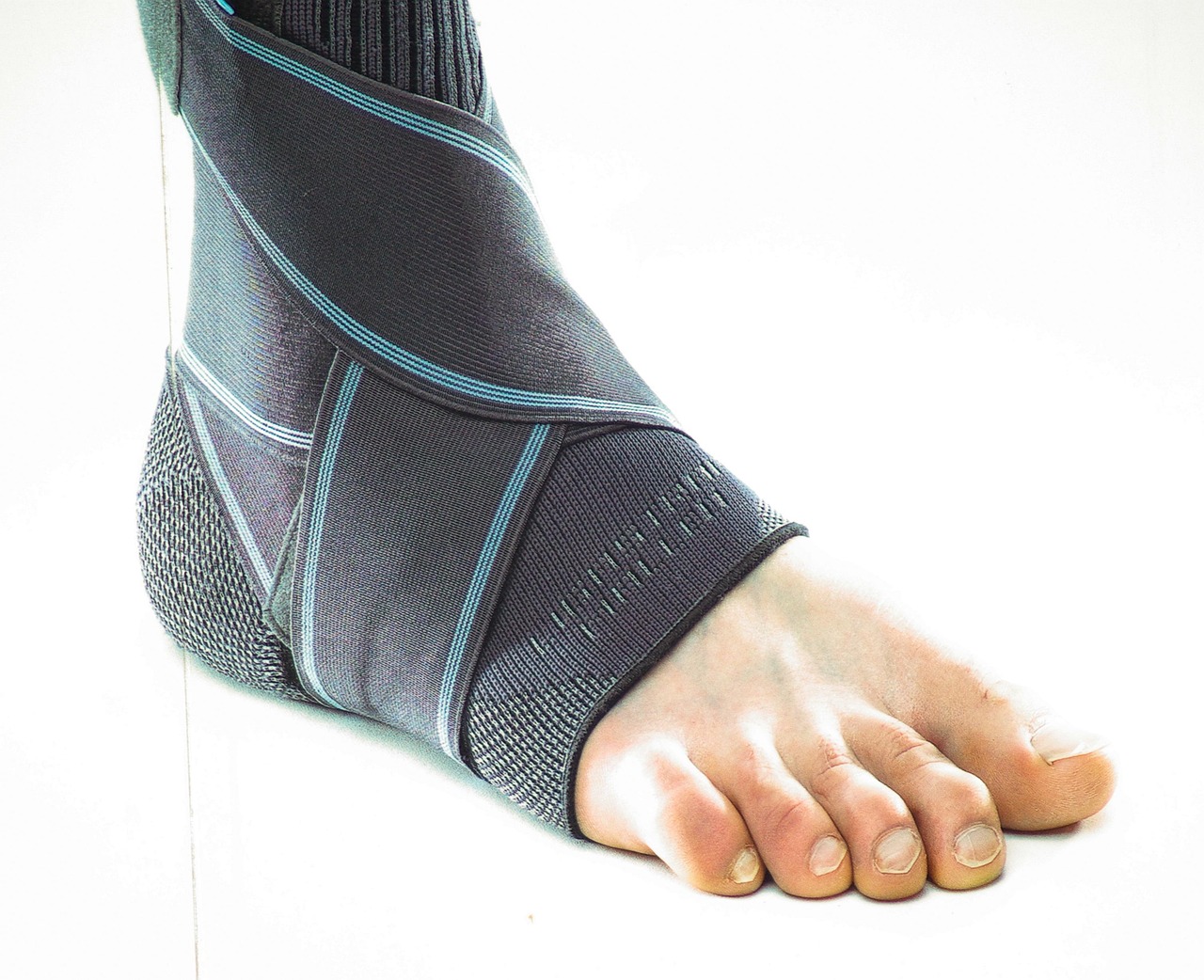
- Ankle supports such as the Softfit Ankle Support and the Ankle Brace Grip steady the joint while it heals.
- Knee supports like the Softfit Knee Support help with strained or unstable knees.
Explore the supports and braces category. Choose the right size from the chart, and do not sleep in a tight bandage.
Pain relief and creams
- Paracetamol is a gentle choice for pain. See the paracetamol page for information.
- Anti-inflammatory tablets such as ibuprofen may be used for short periods if your doctor agrees. Avoid them if you have a stomach ulcer, kidney disease, asthma, or are pregnant, unless advised.
- Warming rubs like Ultraheat Rub Cream (see methyl salicylate) are better after the first two days, when the swelling has settled. Do not apply them on broken skin or under a tight bandage.
Browse our pain and inflammation range for more. Always follow the directions on the pack.
When to get an X-ray or see a doctor
A fracture can look just like a bad sprain. See a doctor the same day if:
- You heard a snap or crack at the time of injury.
- You cannot put any weight on the leg, or you cannot take four steps.
- The joint looks out of shape, or is very swollen straight away.
- There is pain when you press directly on the bone, especially at the ankle bones or the base of the foot.
- You have numbness, tingling, a cold or pale foot or hand, or a joint that feels loose or gives way.
- Swelling and pain are not improving after two to three days.
- You have diabetes or poor circulation, because healing and nerve sensation may be affected. See our guide to diabetes in Pakistan.
- A child falls on an arm or leg and refuses to use it.
Do not ignore a sprain that keeps recurring. A weak joint may need physiotherapy.
Getting moving again
- Start gentle movement after two to three days, within the limit of pain. Complete rest for too long makes the joint stiff and weak.
- Begin with simple range-of-motion exercises, for example drawing the alphabet with your toes for an ankle sprain.
- Move on to strengthening and balance exercises. A physiotherapist can guide you.
- Walk with a stick or crutch if full weight hurts, and ease back into sport gradually.
- Wear supportive, well-fitting shoes.
Mild sprains usually heal in one to three weeks, and moderate ones in several weeks. Severe ones, with a torn ligament, can take months and sometimes need surgery.
Preventing sprains
- Warm up before sport and stretch regularly.
- Wear shoes that fit and give support. Avoid high heels on uneven ground.
- Keep floors dry, and stairs and rooms well lit, especially for older people.
- Strengthen your ankles, calves and core with simple exercises.
- Take extra care in winter. See our guide to joint pain in winter for tips on staying active in the cold.
Frequently asked questions
Should I use heat or ice on a sprain?
Ice in the first two days, then gentle warmth later if the joint is stiff.
Can I walk on a sprained ankle?
If you can take a few steps with only mild pain, light walking is fine. If it is too painful to bear weight, get it checked.
Should I massage a sprain?
Not at first. Gentle massage after the swelling has gone down can help stiffness.
How tight should the bandage be?
Snug enough to support, loose enough that you can slip a finger under it, and with no numbness or colour change in the toes or fingers.
You can order bandages, supports and pain relief from Khasmart. Our first aid items are also useful to keep at home, and our home first aid kit checklist lists what to include. Delivery is available across Pakistan.
This article is for general information and is not a substitute for advice from your doctor or physiotherapist. It does not include dosage; always follow the directions on the pack or from your doctor.