
Health Guides & Medicine Information
Chilblains (Sardi se Ungliyon ki Sojan): Causes, Creams and Winter Care

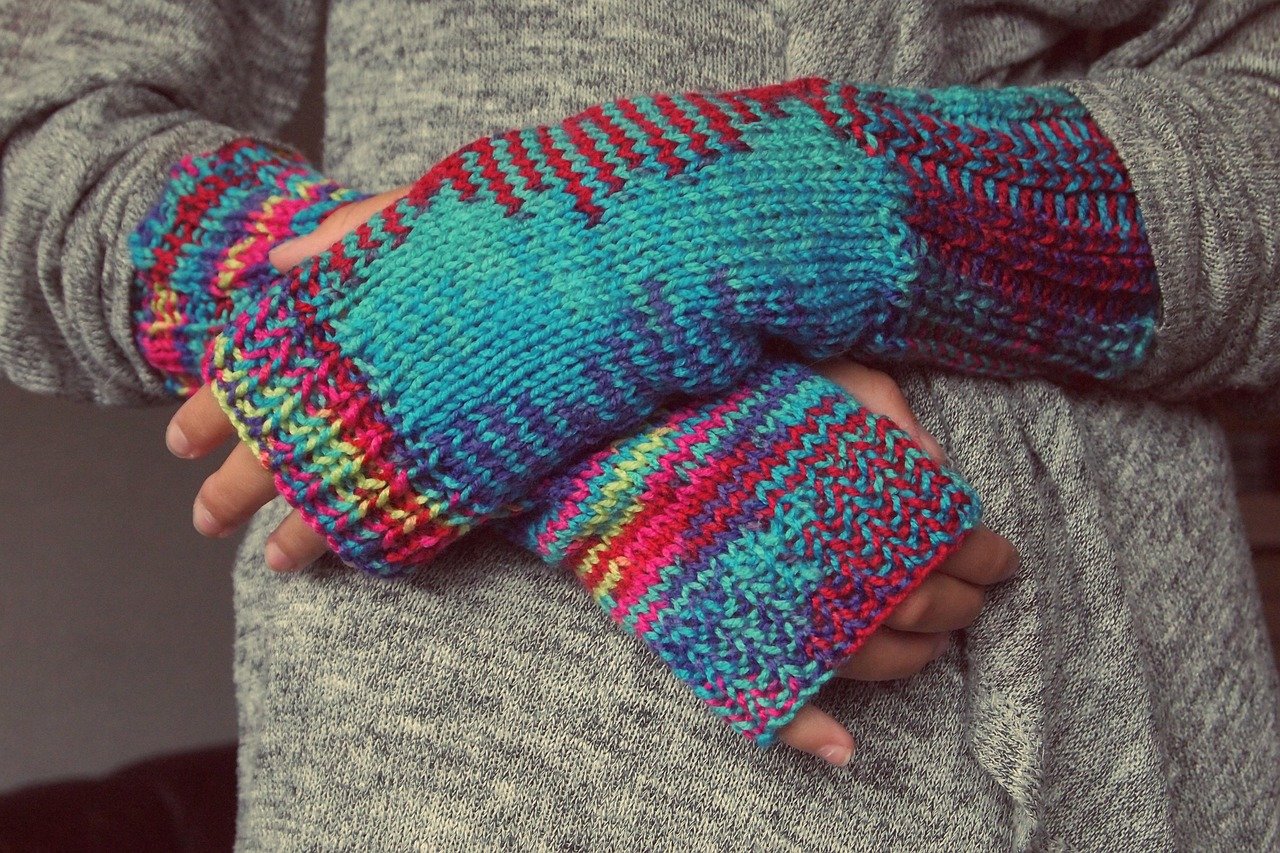
Every winter, many people in Pakistan notice red or purple swellings on their fingers and toes that itch badly in the evening. Elders often blame cold water or sitting too close to the heater, and they are partly right. These swellings are usually chilblains, known in everyday talk as sardi se ungliyon ki sojan. They are common, uncomfortable and mostly harmless, but they need gentle care so the skin does not break and get infected.
What Are Chilblains?
Chilblains are small areas of inflamed skin that appear after exposure to cold and damp weather. Tiny blood vessels near the surface narrow in the cold. When the area warms up quickly, those vessels open unevenly and fluid leaks into the surrounding skin. The result is swelling, colour change and itching.
They usually show up on the toes, fingers, heels, ears and nose. Symptoms often start a few hours after getting cold.
Common Symptoms
- Red, purple or darker patches on fingers or toes
- Itching or burning that becomes worse in a warm room
- Swelling that makes rings or shoes feel tight
- Tenderness or pain when pressed
- In some cases, blisters or cracked skin
Most chilblains settle within one to three weeks if the area is protected from further cold. On darker skin, redness may be harder to see, so check for swelling and a change from your normal shade.
Who Gets Them More Often?
- People who wash clothes or dishes in cold water for long periods
- Anyone living or working in damp, unheated rooms
- People with poor circulation, low body weight or diabetes
- Smokers, because smoking narrows blood vessels
- Those who have had chilblains in earlier winters
Some medicines can reduce blood flow to the hands and feet, including certain heart, migraine and cold medicines. Do not stop any prescribed medicine on your own. Simply mention the problem to your doctor or pharmacist so they can check your list.
Home Care That Helps
Warm up slowly
Bring your hands and feet back to a comfortable temperature gradually. Avoid putting them straight against a gas heater, in very hot water or on a hot water bottle. Numb skin burns easily and sudden heat can make the swelling worse.
Do not scratch or rub hard
Scratching breaks the skin and lets germs in. Vigorous rubbing with oil may feel good for a moment but can damage fragile skin.
Keep the skin soft
A plain moisturiser reduces dryness and cracking. Petroleum jelly forms a protective layer, and a lotion such as Hydrophil moisturising lotion is easy to use after washing. You can browse more options in Dry Skin and Cracked Heels. Urea based lotions are useful for rough, thick skin but may sting on broken areas, so ask a pharmacist first.
Protect from cold and damp
- Wear dry socks and change them if they become sweaty or wet
- Choose roomy, closed shoes instead of tight ones or open chappals
- Use lined rubber gloves for washing in cold water
- Wear gloves and a warm cap when riding a motorbike
- Keep your whole body warm, not only the hands and feet
Which Creams and Medicines Are Used?
Mild chilblains often need nothing more than warmth and moisturiser. For troublesome itching, a doctor may advise a short course of a suitable cream. Please avoid buying strong steroid mixtures and applying them for weeks, as they can thin the skin. Our guide to safe use of steroid creams explains why.
If the skin is broken and looks infected, a doctor may suggest an antibiotic ointment or tablets. For people who get severe chilblains every year, doctors sometimes prescribe a medicine called nifedipine that relaxes blood vessels. It can cause headache, flushing, ankle swelling and dizziness, and it is not suitable for everyone. It should only be taken on prescription. If you already have one, you can send it through our prescription upload page.
Extra Care for People With Diabetes
Diabetes can reduce feeling in the feet, so a blister or crack may go unnoticed. Check your feet daily, avoid direct heat and do not treat sores at home. Soft options such as diabetic ankle socks may be comfortable. Read our full guide on diabetic foot care.
When Should You See a Doctor?
- The swelling does not improve after two to three weeks
- There is pus, spreading redness, warmth or fever
- The skin turns white, grey or black, or stays numb
- Fingers turn white, then blue, then red repeatedly
- You also have joint pain, mouth ulcers, unusual tiredness or other rashes
- Chilblains appear in warm weather
- You have diabetes or known circulation disease
What to Ask Your Doctor or Pharmacist
- Is this really a chilblain, or could it be an infection, fungus or circulation problem?
- Could any of my current medicines be making it worse?
- Which cream is safe for my skin, and when should I stop it?
- Do I need blood tests if it keeps coming back?
Frequently Asked Questions
Are chilblains contagious?
No. They are a reaction to cold and damp, not an infection that passes from one person to another.
Is sarson ka tel a good treatment?
Gentle oil may reduce dryness for some people, but it does not cure chilblains. Never heat oil and apply it hot, and keep it away from broken skin.
Can children get chilblains?
Yes. Keep their socks dry, discourage barefoot walking on cold floors and show broken or painful swellings to a doctor.
How can I prevent them next winter?
Start protecting your hands and feet early in the season, avoid sudden temperature changes, stay active and stop smoking. For more seasonal tips, see winter dry skin care and cracked heels treatment.
Disclaimer: This article is for general information only and does not replace medical advice. Please consult a qualified doctor or pharmacist before using any medicine or cream.