
Health Guides & Medicine Information
Nakseer (Nosebleed): First Aid, Causes and When to Worry

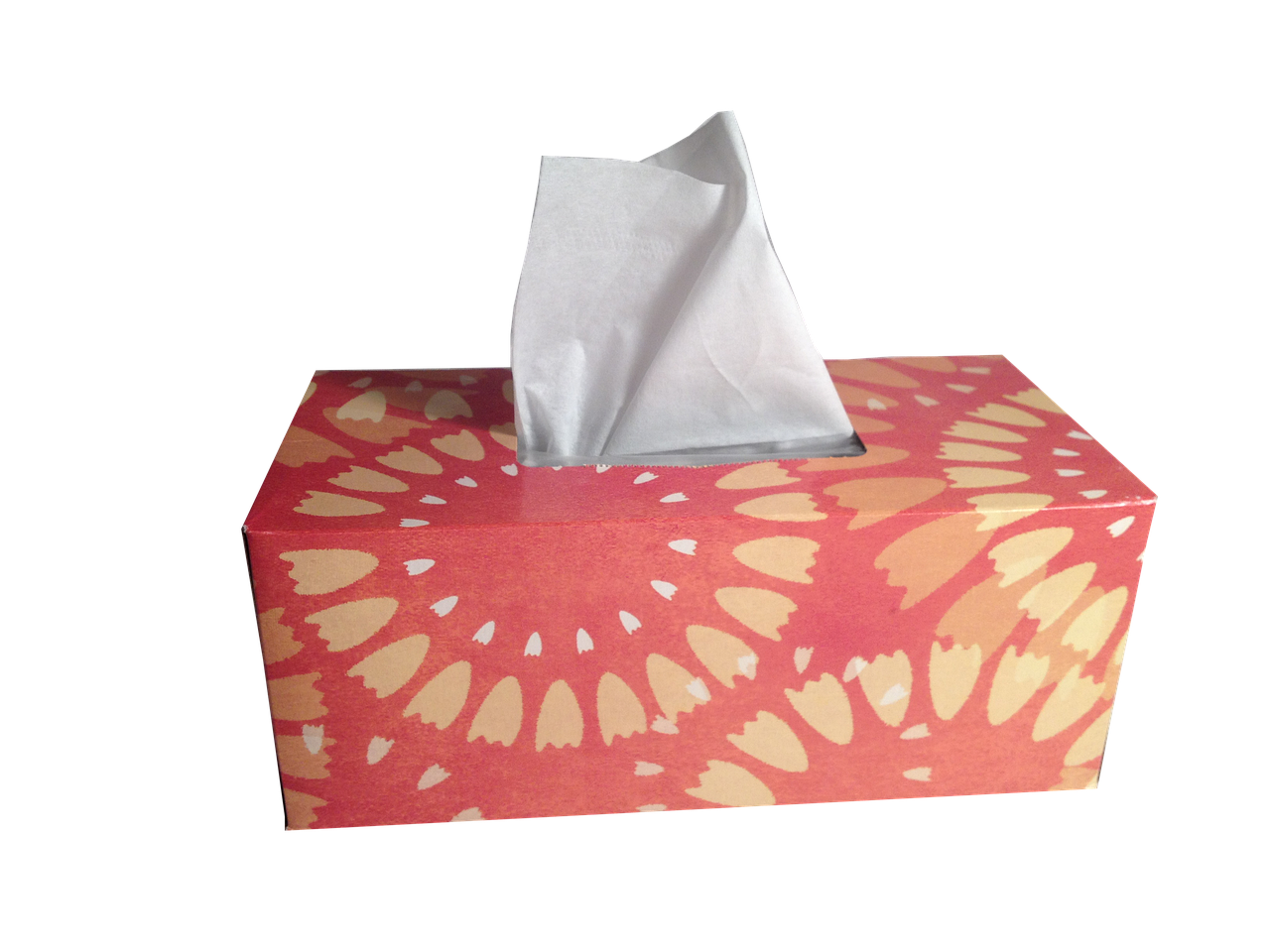
Seeing blood drip suddenly from the nose can frighten the whole family, especially when it is a child. In Pakistan this is called nakseer, and it becomes common in dry winters when heaters are running, as well as during very hot weather. Most nosebleeds start from small vessels at the front of the nose and stop with correct first aid. The trouble is that many popular habits, such as tilting the head back, are not helpful.
Nakseer First Aid: Do This Right Away
- Stay calm and sit upright. Do not lie down.
- Lean slightly forward so blood does not run down the throat.
- Pinch the soft part of the nose, just above the nostrils, with your thumb and finger.
- Hold firmly for 10 to 15 minutes without letting go to check.
- Breathe through the mouth and spit out any blood.
- A cold cloth over the bridge of the nose may give comfort, but pressure is what matters most.
What Not to Do
- Do not tilt the head back. Swallowed blood can cause nausea and vomiting.
- Do not push tissue, cotton or cloth deep into the nose.
- Do not pour water, ghee or herbal drops into the nostril while it is bleeding.
- Do not blow or pick the nose after the bleeding stops.
For the rest of the day, avoid heavy lifting, hard exercise and very hot drinks, as these can restart the bleeding.
Why Does the Nose Bleed?
Local causes
- Dry air from heaters, which cracks the inner lining
- Nose picking, especially in children
- Colds, sinus infection or allergy with frequent blowing
- A knock or injury to the face
- A small object stuck in a child’s nostril, often with a bad smelling discharge
- Nasal sprays aimed at the middle wall of the nose
Medicine and health related causes
Blood thinners such as warfarin, rivaroxaban, clopidogrel and aspirin can make bleeding more frequent or longer. Pain medicines such as ibuprofen and diclofenac may also add to the risk. Never stop a heart or stroke medicine on your own because of nakseer. Call your doctor, who can weigh both risks. Our guide to blood thinners and safety rules is worth reading.
Liver disease, kidney disease and bleeding disorders can also play a part. High blood pressure is often found at the time of a nosebleed and may make it harder to control. If you are an adult, get your pressure checked once you are settled. A home device such as the Certeza digital blood pressure monitor helps with regular readings, and you can read about high blood pressure in Pakistan.
Nakseer With Fever
During dengue season, bleeding from the nose or gums along with fever is a warning sign that needs urgent medical attention. Do not take aspirin or ibuprofen for such a fever without a doctor’s advice. See our article on dengue warning signs.
Preventing Repeat Nosebleeds
- Moisten the nose: A saline spray such as Norsaline-P nasal spray can ease dryness.
- Protect the lining: A doctor or pharmacist may suggest a thin smear of petroleum jelly just inside the nostrils. Do not push it deep, and ask before using it for small children.
- Add moisture to the room: An air humidifier can help in heated rooms. Clean it regularly so mould does not grow.
- Trim children’s nails and gently discourage picking.
- Blow softly during a cold, one side at a time.
- Avoid smoke, including cigarette and shisha smoke indoors.
If you use a steroid spray for allergy, point it slightly outwards, away from the centre of the nose. Decongestant drops should not be used for long stretches. Our guide on safe use of nasal drops and sprays explains this.
When Is Nakseer an Emergency?
Go to a hospital emergency department if:
- Bleeding continues after about 20 minutes of firm pressure
- The blood loss looks heavy, or the person is swallowing a lot of blood
- There is weakness, fainting, dizziness or pale skin
- Breathing is difficult
- It started after a head injury, fall or road accident
- The person takes blood thinners and the bleeding will not stop
Book a doctor’s visit if nosebleeds keep returning, if a child under two years has one, or if you notice easy bruising, bleeding gums or unusually heavy periods.
What to Ask Your Doctor
- Do I need a blood count or clotting test?
- Could any of my medicines or supplements be causing this?
- Is a nasal ointment or cautery suitable for me?
- What blood pressure range should I aim for?
If your doctor prescribes a medicine or ointment, you can order it by using our upload prescription page.
Frequently Asked Questions
Is nakseer caused by body heat (garmi)?
Hot and dry weather can dry and irritate the nasal lining, so bleeding may happen more often. Repeated bleeding should not simply be blamed on garmi without a proper check.
Should ice be placed on the head?
Ice on the head does not stop the bleeding vessel. Correct pinching of the soft part of the nose is far more useful.
My child gets nakseer at night. Why?
Dry air, a cold, allergy or picking during sleep are common reasons. Keep nails short, reduce dryness and consult a child specialist if it continues.
Can vitamins cure nosebleeds?
Not usually. Supplements help only when a real deficiency has been confirmed, and some herbal products can actually increase bleeding.
Disclaimer: This article is for general information only and does not replace medical advice. Please consult a qualified doctor or pharmacist, and seek emergency care for heavy or persistent bleeding.