
Health Guides & Medicine Information
Malaria (Malaria Bukhar): Symptoms, Antimalarial Medicines and Prevention

A fever that arrives with shivering, then sweating, then eases, and returns a day or two later. In many parts of Pakistan, especially during and after monsoon, this pattern raises one question: is it malaria? Malaria (malaria bukhar) is caused by a parasite carried by mosquitoes, and it can be dangerous, but it is curable when diagnosed and treated early. It is also a disease where self-treatment is risky, because the right medicine depends on the type of parasite.
This guide explains the symptoms of malaria, how it is diagnosed, how the main antimalarial medicines are used, why vivax malaria needs extra treatment, how to prevent it and the signs of severe malaria.
What causes malaria?
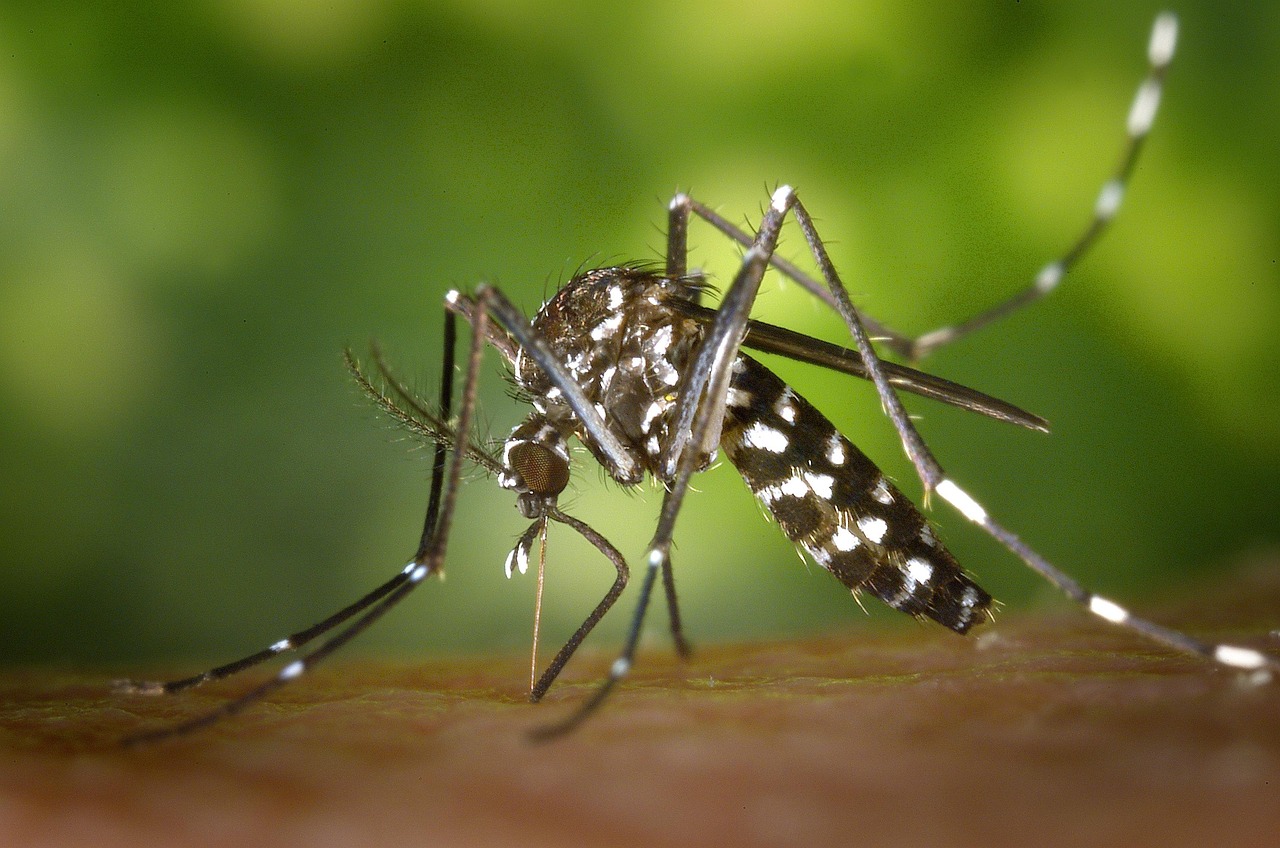
Malaria is caused by Plasmodium parasites passed by the bite of infected female Anopheles mosquitoes, which usually bite from dusk to dawn. In Pakistan, the most common types are Plasmodium vivax and Plasmodium falciparum. Falciparum is the more dangerous. Malaria does not spread directly from person to person, except through blood transfusion, shared needles or from mother to baby.
Symptoms
- Fever with chills and shaking, followed by heavy sweating, which may repeat every two to three days.
- Headache, body and muscle aches, fatigue.
- Nausea, vomiting, diarrhoea.
- Pale skin, or yellow eyes, in some people.
These symptoms resemble dengue, typhoid, flu and other fevers. See our guides to dengue, typhoid fever and fever in children. That is why a blood test is essential.
Diagnosis
A rapid malaria test (RDT) or a blood film under the microscope, taken at a lab or health centre, identifies the parasite and its type. Do not take antimalarial medicines just because you have a fever. Test first. A negative test with continuing fever should be repeated, and a doctor should look for other causes.
How malaria is treated
The medicine depends on the parasite type, severity, age, pregnancy and local resistance. The treatment must be exactly what the doctor prescribes.
Artemisinin-based combination therapy (ACT)
This is the standard treatment for falciparum malaria and is increasingly used for vivax too. Common combinations are artemether with lumefantrine, and dihydroartemisinin with piperaquine. Examples at Khasmart include Gen M 40/240 Tablet, Gen-M 80/480, the child-friendly Arceva Syrup, Hiservin Syrup and Artheget Junior Syrup, as well as Diphos 40/320 and Timequin. See the artemether page. Points to know:
- Artemether-lumefantrine is taken over three days, with a fatty meal or milk, since fat improves absorption.
- Complete the full course, even when the fever settles in a day.
- If you vomit within an hour of a dose, tell your doctor, because the dose may need repeating.
Treatment for severe malaria
Severe malaria needs hospital treatment with injectable artesunate (Gen M 30 mg, Gen M 60 mg, Gen M 120 mg), followed by an oral course. See the artesunate page. Quinine is an alternative in some situations.
Vivax malaria: the extra step
The vivax parasite can hide in the liver and cause relapses weeks or months later. After the blood-stage treatment, a medicine such as primaquine or tafenoquine is needed for a radical cure. Before taking these, a G6PD test is needed, because in people with G6PD deficiency they can break down red blood cells. Do not take them without the test and your doctor’s advice.
Other older medicines
Chloroquine, and combinations such as sulfadoxine-pyrimethamine (Fansidar Syrup, Malarest Suspension), were used widely in the past, but resistance is common, and they are now used only in specific situations, as advised. Plaquin-H (hydroxychloroquine) is also used for conditions such as lupus and arthritis, and is not a stand-alone treatment for falciparum malaria.
These are prescription medicines. See the malaria category. If you have a prescription, upload it here.
Supportive care at home
- Rest and drink plenty of fluids. ORS helps with sweating and vomiting.
- Paracetamol for fever and pain. Avoid aspirin and ibuprofen in children and in dengue-like illness. See our guide to nausea and vomiting.
- Use a thermometer to track fever. See our guide to the best digital thermometer in Pakistan.
- Eat light, nutritious food. Anaemia is common after malaria. See our guide to iron deficiency before starting iron.
Signs of severe malaria: go to hospital at once
- Confusion, extreme drowsiness, fits or loss of consciousness.
- Difficulty breathing, or very fast breathing.
- Persistent vomiting and inability to take medicine.
- Dark urine, severe weakness, or yellow skin.
- Bleeding, very pale skin, or very little urine.
- Fever in a pregnant woman or in a baby.
Pregnancy and children
Pregnant women and young children are at greater risk of severe disease. Pregnancy malaria can cause miscarriage, low birth weight and severe anaemia. Always seek medical care quickly, and use only the medicines recommended by the doctor for these groups.
Preventing malaria
- Sleep under an insecticide-treated mosquito net, especially children and pregnant women.
- Use screens on doors and windows, and keep them closed at dusk.
- Use mosquito repellent on exposed skin in the evening, and wear long sleeves. See our guide to mosquito bites and repellents.
- Remove stagnant water around the house: puddles, coolers, tanks, old tyres and drains. Malaria mosquitoes breed in stagnant, often dirty, water.
- Use indoor spraying or fogging when authorities organise it.
- If travelling to a high-risk area, ask your doctor about preventive medicines.
- After floods, take extra care. Read our guide to waterborne diseases after floods.
When to see a doctor
- Any fever with chills in a malaria-prone area, or after travel.
- Fever returning after treatment, especially one to three months later (a possible vivax relapse).
- A positive test, to confirm treatment.
- Any sign of severe malaria.
Frequently asked questions
Can I treat malaria at home with leftover tablets?
No. The wrong medicine, or an incomplete course, can lead to resistance and complications. Always test and see a doctor.
Is there a malaria vaccine?
Vaccines exist and are used in some African countries. They are not part of routine care in Pakistan at present. Prevention depends on nets, repellents and mosquito control.
Can malaria come back?
Vivax can relapse months later unless the radical cure is given. Falciparum can return if the first course was incomplete.
How long does recovery take?
Fever usually settles within two to three days of starting treatment, but weakness can last longer.
Order prescribed malaria medicines, repellents and thermometers from Khasmart, with delivery across Pakistan.
This article is for general information and is not a substitute for advice from your doctor. It does not include doses; your doctor decides the medicine and amount. Always follow the directions on the pack or from your doctor. Severe malaria is an emergency.